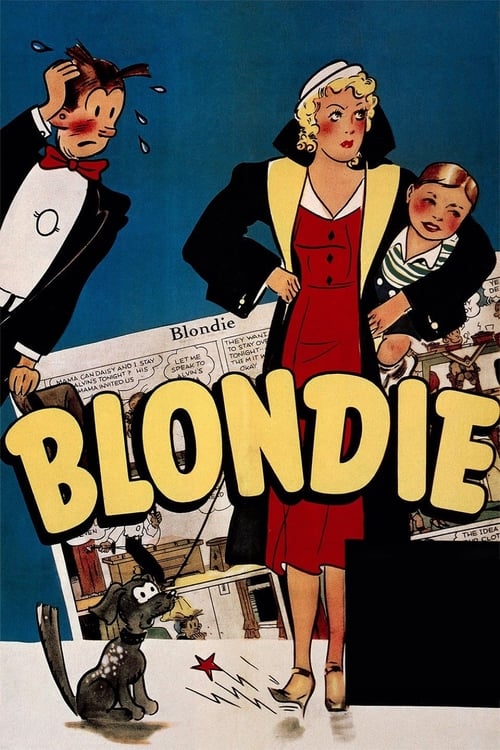
Blondie
1938
No user ratings available yet
Representation score: 0.4 out of 10

Representation Score
Minimal
1942
NRDirector
Frank R. Strayer
Runtime
74 minutes
Average Rating
No ratings yetNew Showbiz Analysis
Blondie Goes to College is a period-specific artifact that prioritizes domestic situational comedy over social commentary. It maintains the established status quo of the Blondie franchise, focusing on middle-class respectability and the preservation of the marital bond. The film lacks complexity in reflecting multiple aspects of identity, adhering to the prevailing social hierarchies of the early 1940s. While Blondie shows competence that occasionally exceeds her husband's, this is framed within traditional domesticity rather than a challenge to power structures. Ultimately, the production lacks the intentionality required to disrupt demographic or institutional norms, resulting in a narrative that is culturally and socially homogeneous.
Category Breakdown
The film operates within a strictly straight-centered framework. The central conflict reinforces traditional marriage rather than challenging it. There is no queer subtext present.
Blondie demonstrates a stabilizing role in the plot, showing competence that occasionally exceeds her husband's. However, the film ultimately reinforces 1940s domestic hierarchies and traditional gender roles.
The cast is largely homogeneous, reflecting the production standards of the era. The film focuses on a middle-class, Anglo-centric collegiate environment without diverse perspectives.
The narrative promotes mid-century Western social institutions and the stability of the nuclear family. It emphasizes professional achievement and the maintenance of social decorum.
There are no visible or invisible disabilities portrayed. All characters are presented as able-bodied, with no neurodivergent or physical disability themes explored.
Present on Screen
Limited or Absent
Official Synopsis
Dagwood Bumstead must receive a college diploma or lose his job with the Dithers Construction Company. Not wishing to be separated from her husband, Blondie enrolls in college as well. But Leighton College rules stipulate "No Married Couples", forcing Blondie and Dagwood to pretend that they're not married. This causes quite a dilemma when coed Laura Wadsworth begins flirting with Dagwood and Rusty Bryant does the same with Blondie. And Blondie's discovery of a very pleasant secret threatens to expose her and Dagwood's marital status too.
1938

1933
1940
1942
1944
1941
1939
1937
No reviews yet. Be the first to share your thoughts on this movie!
Use the rating form above to leave a star rating and optional review.