
The Invincible
1943
No user ratings available yet
Representation score: 4.2 out of 10
Representation Score
Limited
1970
Director
Yuri Ozerov
Runtime
93 minutes
Average Rating
No ratings yetNew Showbiz Analysis
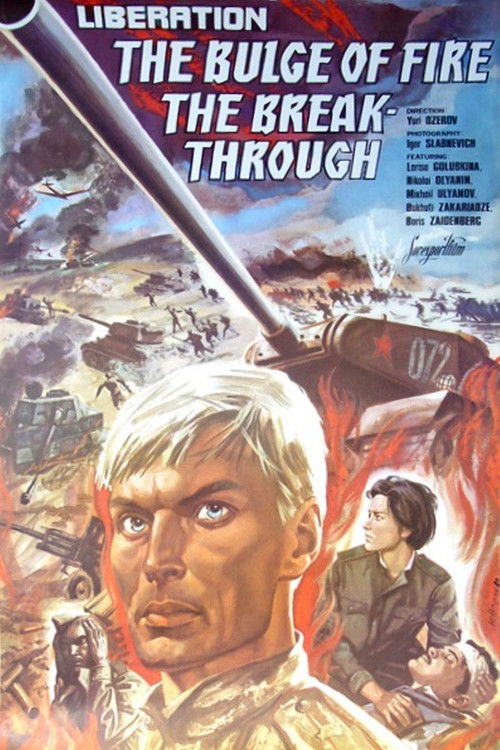
Liberation: The Fire Bulge is a traditional historical epic that centers on large-scale military history and collective national identity. It highlights the tank battles of the Kursk Bulge through a state-centric viewpoint. While the film offers a broader demographic scope compared to many Western war films, the narrative remains anchored in traditional hierarchies. The storytelling emphasizes the collective struggle and military command over individual identity. Ultimately, the film serves as a monumental record of war rather than a nuanced exploration of diverse social identities.
Category Breakdown
The film follows the social norms of 1970s Soviet cinema and does not include any non-traditional gender identities or same-sex relationships.
The story focuses on military command and frontline combat roles dominated by men. Women are mostly in support roles in the rear and do not significantly influence the main plot.
The film showcases a variety of ethnicities from across the USSR, reflecting the multi-ethnic makeup of the Red Army through a lens of Soviet internationalism.
The narrative emphasizes collective national identity and state-sanctioned historical narratives. Morality is framed through duty and national survival rather than individual critique.
The film does not focus on neurodivergence or visible disabilities. Physical injuries are shown as functional consequences of combat rather than character studies.
Present on Screen
Limited or Absent
Official Synopsis
The "Fiery Arc" tells of a grandiose battle on the Kursk Bulge in the summer of 1943. Here was the largest tank battle in the history of World War II. Along with the personal fate of the heroes, the film shows battle scenes, the activities of headquarters and intelligence, those who worked at the front and in the rear.
1943
1977
1950

1946
1970
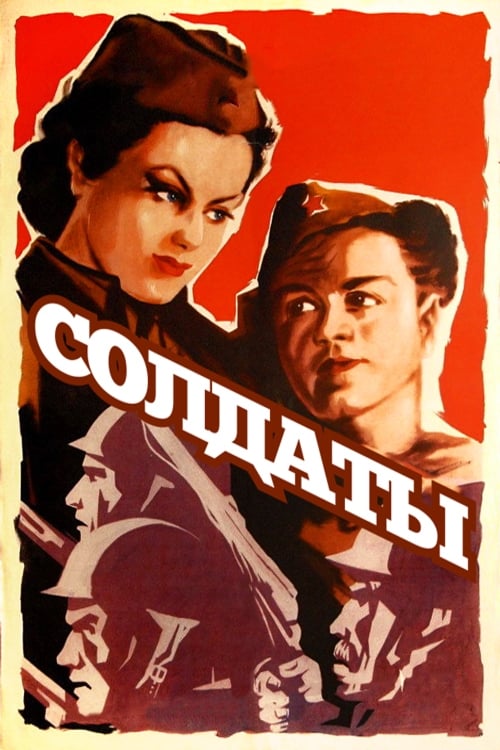
1956

1978
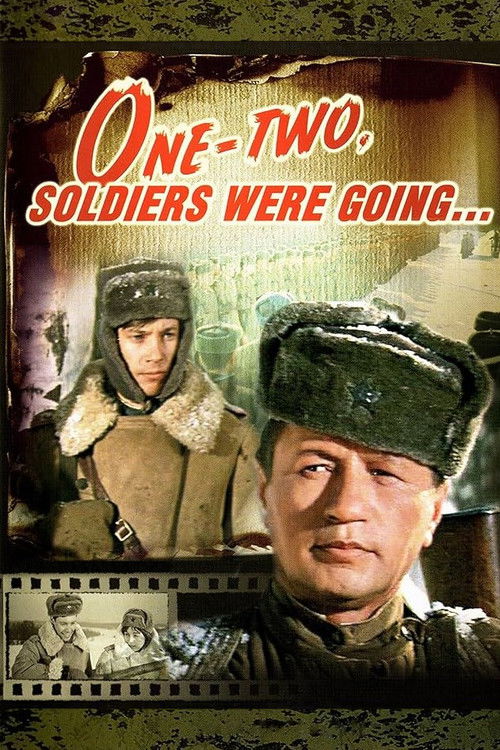
1976
No reviews yet. Be the first to share your thoughts on this movie!
Use the rating form above to leave a star rating and optional review.