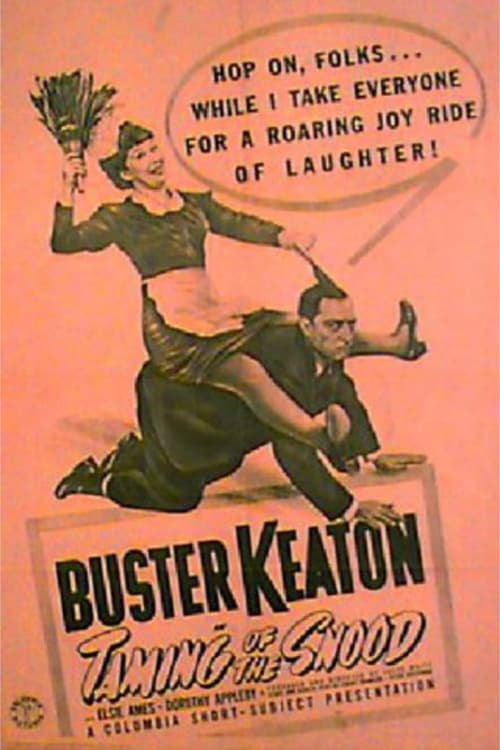
The Taming of the Snood
1940
No user ratings available yet
Representation score: 0.4 out of 10
Representation Score
Minimal
1940
ApprovedDirector
Charles Reisner
Runtime
13 minutes
Average Rating
No ratings yetNew Showbiz Analysis
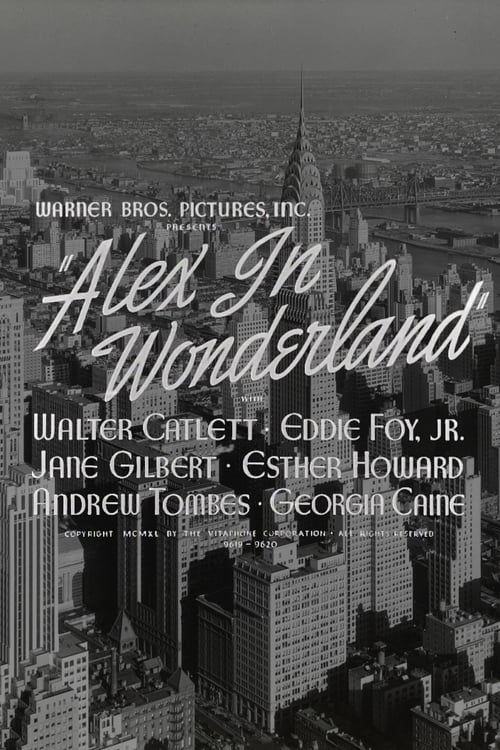
Alex in Wonderland is a classic example of its era, emphasizing high-energy slapstick humor over social commentary. The narrative structure relies on established 1940s social hierarchies, focusing on a protagonist disrupting a high-society event. The film operates as a traditional comedy that upholds conventional domestic norms and class structures. It does not aim to challenge identity-based power dynamics or include underrepresented perspectives. Overall, the work reflects the homogeneous casting and social standards of the early sound era, offering limited diverse representation.
Category Breakdown
The film does not include any representation of LGBTQ+ identities or same-sex relationships, sticking closely to the heterosexual norms of 1940s cinema.
The story emphasizes traditional gender roles where women are portrayed as secondary figures within social or domestic settings, without much influence over the plot.
The setting highlights a focus on the white upper class, reflecting the homogeneous casting practices of the time. There is no indication of a diverse cast.
Humor is derived from social class disruption and slapstick mayhem. The story focuses on traditional wealth and status without critiquing Western institutions.
There is no mention of characters with physical or neurodivergent disabilities. The film does not feature any specific instances of disability.
Present on Screen
Limited or Absent
Official Synopsis
In this Warner Bros. short film, Alex visits his sister Belinda and her husband Fred. It looks like Alex is going to be around for a while, much to Fred's displeasure. Alex in is New York to look for a job and he sees an ad for a champagne salesman. He decides to crash a swank party given by railroad tycoon J.D. Swinnerton and his wife. Alex has his own zany way of getting an introduction to the man. Mayhem ensues when several of the guests come as Robin Hood and one of them is a jewel thief.
1940
1940
1937
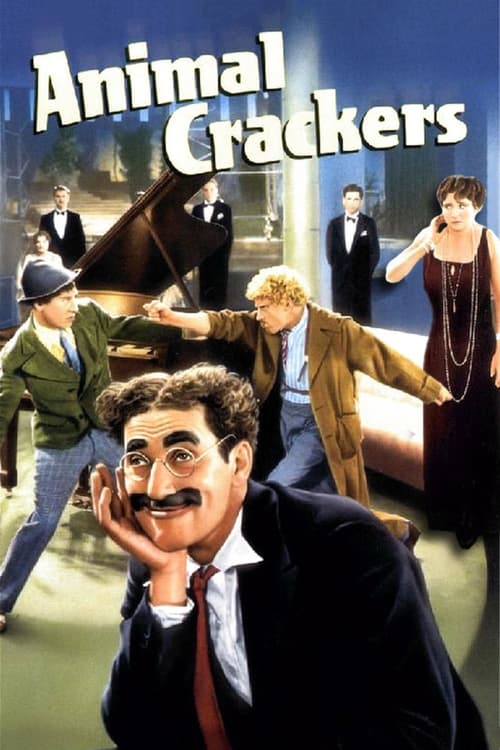
1930
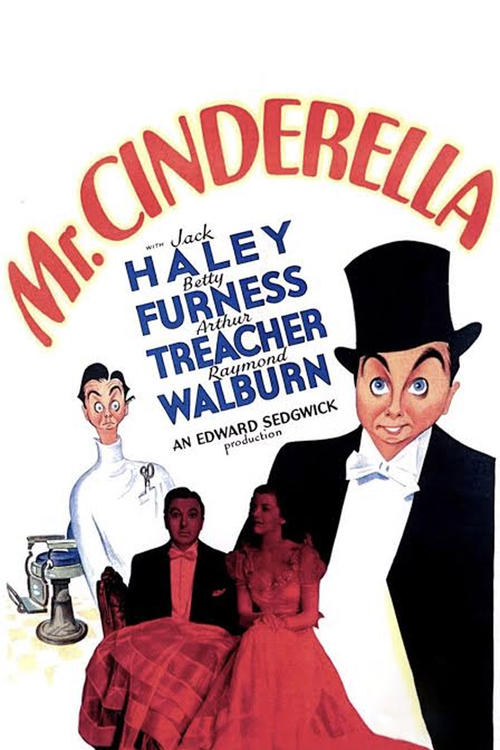
1936
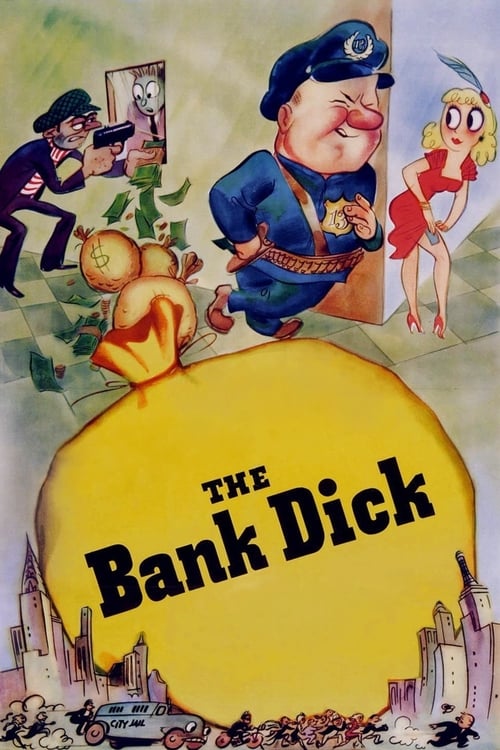
1940
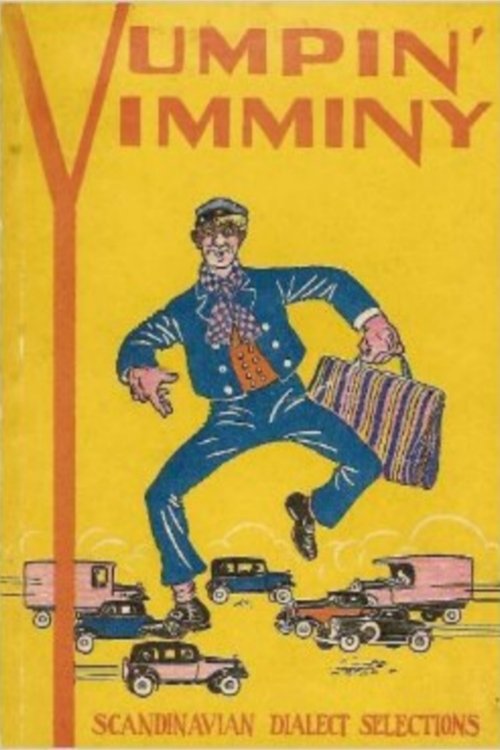
1941
1946
No reviews yet. Be the first to share your thoughts on this movie!
Use the rating form above to leave a star rating and optional review.