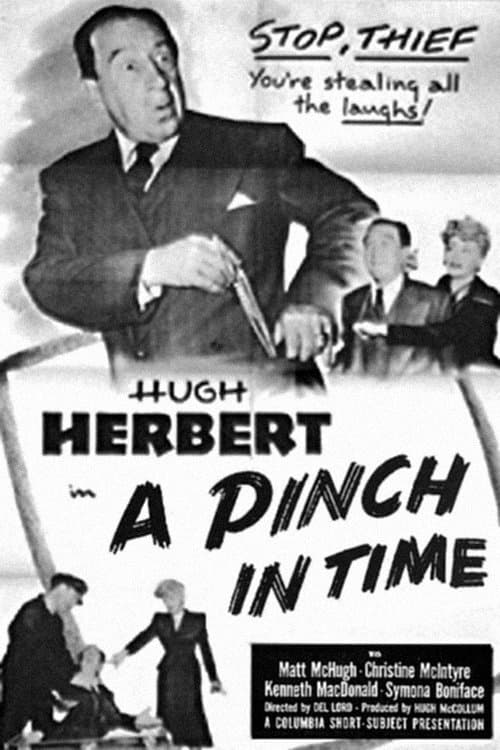
A Pinch in Time
1948
No user ratings available yet
Representation score: 0.4 out of 10
Representation Score
Minimal
1940
ApprovedDirector
Del Lord
Runtime
19 minutes
Average Rating
No ratings yetNew Showbiz Analysis
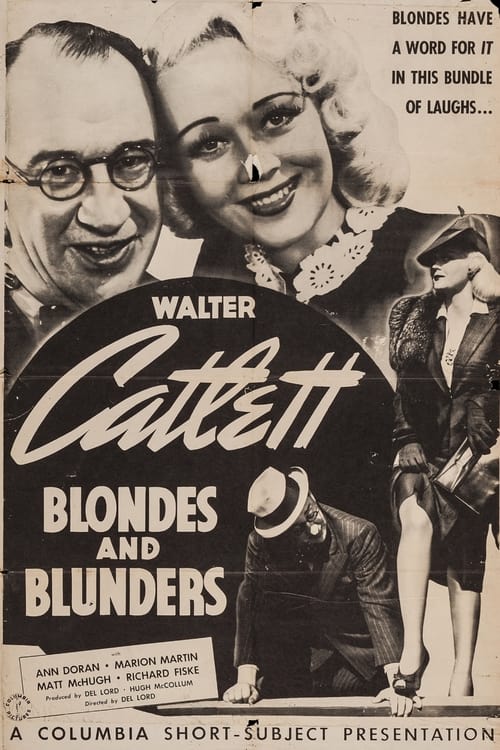
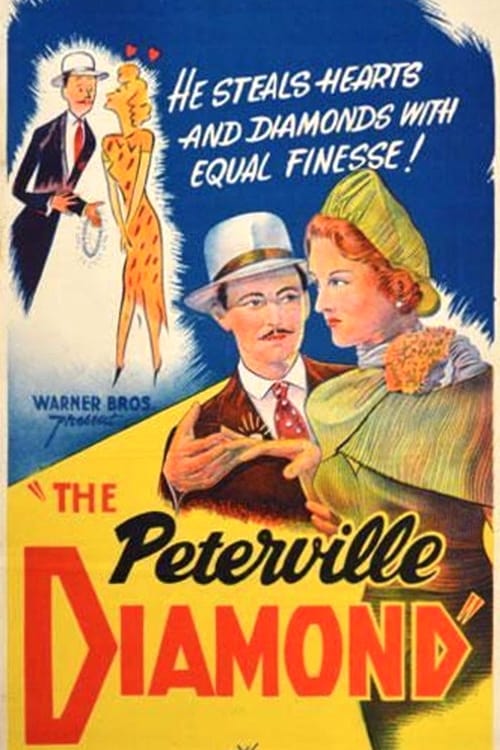
Blondes and Blunders is a product of the 1940s studio system, prioritizing slapstick humor and established archetypes over social complexity. The narrative follows a predictable comedy of errors involving a stolen diamond and mistaken identity. The film reinforces traditional social hierarchies rather than challenging them. It lacks intentionality regarding multiple aspects of identity, instead relying on traditional gendered clichés and Western-centric norms common to early Hollywood comedy.
Category Breakdown
The film does not include any characters with LGBTQ+ identities or same-sex relationships. The plot revolves around a single interaction between a man and a woman.
The story relies on traditional gender roles where the woman uses deception and the man is unsuspecting. While the woman takes action through theft, it serves a comedic purpose rather than challenging gender norms.
The film likely reflects the homogeneous casting practices of the 1940s. There is no evidence of diverse casting or departure from Western-centric norms.
The narrative operates within a conventional Western comedic framework. It lacks any critique of traditional institutions and focuses on a typical diamond heist plot.
There is no mention of characters with disabilities, either visible or invisible. Disability is not used as a narrative device in this comedy.
Present on Screen
Limited or Absent
Official Synopsis
A beautiful blonde places a stolen diamond on an unsuspecting man. Later, she returns to retrieve it.
1948
1940
1941
1942
1943
1940
1944
1945
No reviews yet. Be the first to share your thoughts on this movie!
Use the rating form above to leave a star rating and optional review.