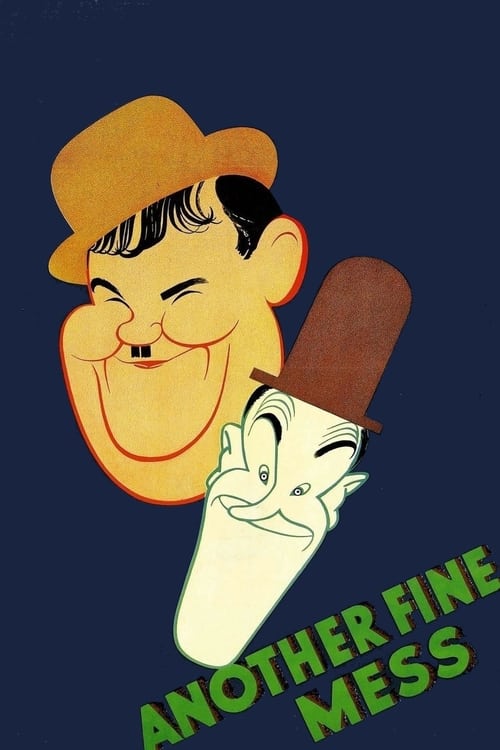
Another Fine Mess
1930
No user ratings available yet
Representation score: 0.5 out of 10
Representation Score
Minimal
1927
NRDirector
Fred Guiol
Runtime
17 minutes
Average Rating
No ratings yetNew Showbiz Analysis
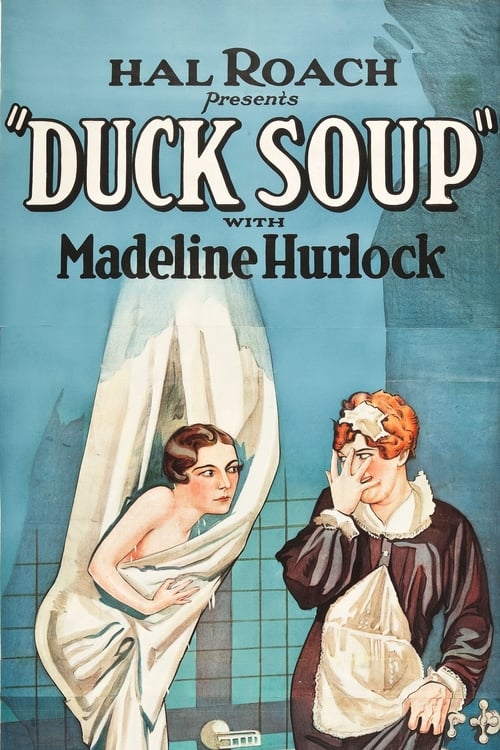
Duck Soup is a typical silent-era slapstick comedy that emphasizes physical humor and situational absurdity over social commentary. The narrative structure revolves around the antics of Laurel and Hardy as they navigate deception and authority figures. Since the film adheres to the homogeneous casting and traditional comedic archetypes of the 1920s, it offers limited diverse representation. Characters serve as comedic tools rather than explorations of identity. Ultimately, the film reflects the era's standard social dynamics, focusing on the 'tramp' archetype and situational irony rather than disrupting systemic power structures or offering perspectives on overlapping identities.
Category Breakdown
The film does not include any LGBTQ+ characters or stories about non-assuming gender matches what was assigned at birth identities. It uses traditional comedic situations rather than identity-focused narratives.
Gender is used to create farce, particularly through Laurel pretending to be a maid. This cliché supports situational comedy but does not challenge gender hierarchies.
The story focuses on an English couple in a domestic setting. There is no indication of a non-white or racially diverse cast.
The plot follows the 'lovable rogue' archetype through themes of deception and social evasion. It does not explore religious or political subversion.
The film does not feature any characters with visible or invisible disabilities. There are no narratives about neurodivergence or physical disabilities.
Present on Screen
Limited or Absent
Official Synopsis
Fleeing a group of forest rangers, who are rounding up tramps to serve as firefighters, they take refuge in a mansion. The owner has gone on vacation and the servants are away, so Hardy pretends to be the owner and offers to rent the house to an English couple. Hardy gets Laurel to pose as the maid. Unfortunately, the owner returns and tells the would-be renters that he owns the house; Laurel and Hardy then flee again and are caught by the rangers and forced to fight wildfires.
1930
1926
1927

1933

1955

1923
1942
1948
No reviews yet. Be the first to share your thoughts on this movie!
Use the rating form above to leave a star rating and optional review.