
Another Wild Idea
1934
No user ratings available yet
Representation score: 1.0 out of 10
Representation Score
Minimal
1936
ApprovedDirector
Leslie Goodwins
Runtime
19 minutes
Average Rating
No ratings yetNew Showbiz Analysis
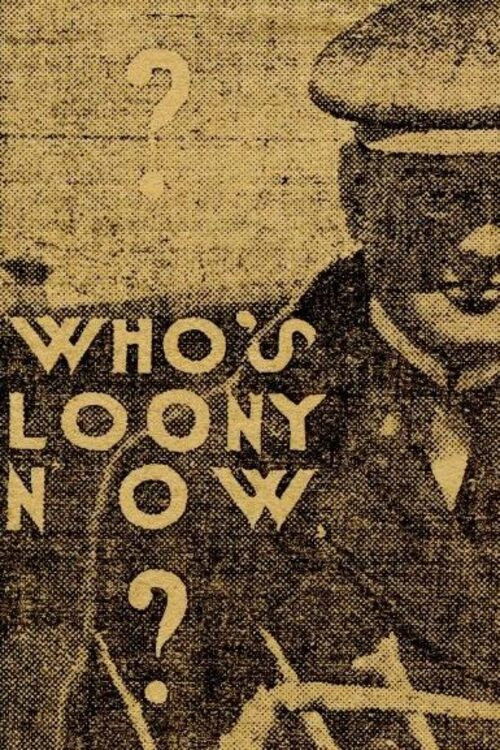
Who's Looney Now is a product of the 1930s studio system, prioritizing broad situational humor over social complexity. The story centers on a male-driven domestic comedy, focusing on the interactions between two neighbors attempting to manage household dynamics. The film adheres to the era's standard cultural parameters, offering little disruption to established social hierarchies. It relies on traditional archetypes and conventional Western family structures, resulting in a narrow scope of representation. Ultimately, the work functions as a period-typical comedy that lacks intentionality regarding identity or diverse perspectives, reflecting the homogeneous norms of mid-1930s cinema.
Category Breakdown
The film does not include any LGBTQ+ characters or non-cisgender identities. The interaction between the two male neighbors follows conventional, platonic comedic patterns.
The male protagonists, Mr. Brown and Mr. Johnson, play key roles in driving the story. The domestic sphere serves primarily as a backdrop for male negotiations and interactions.
The production reflects the homogeneous casting standards typical of 1936, with no evidence of diverse casting or non-white characters in central roles.
The narrative emphasizes traditional Western family structures and social hierarchies. It focuses on individual domestic management rather than addressing broader cultural critiques.
There is no mention of characters with visible or invisible disabilities within the narrative.
Present on Screen
Limited or Absent
Official Synopsis
Mr. Brown is riding home from work one day with his new neighbor, Mr. Johnson. When Brown explains that he has all kinds of problems at home, Johnson wants to help him. So, when they arrive, Johnson gives Brown a demonstration of one of the tricks that he uses to get his family to act as he wishes them too. But when Brown tries out Johnson's ideas on his own, things do not go as planned.
1934
1958
1940
1952
1950
1949
1955
1940
No reviews yet. Be the first to share your thoughts on this movie!
Use the rating form above to leave a star rating and optional review.