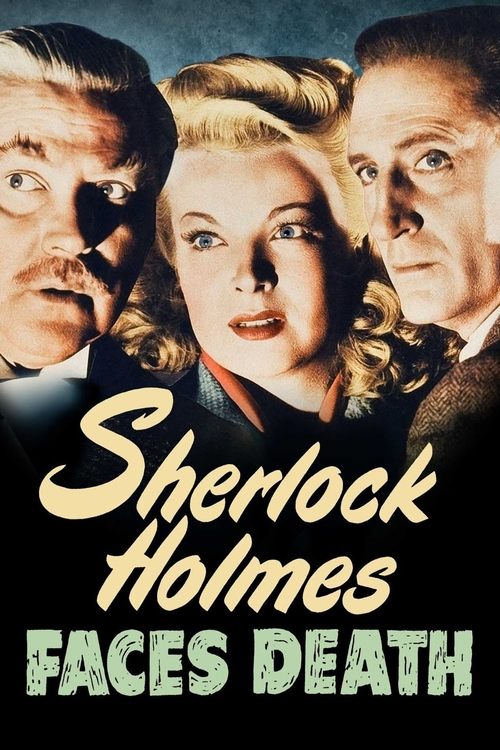
Sherlock Holmes Faces Death
1943
No user ratings available yet
Representation score: 2.7 out of 10
Representation Score
Limited
1944
ApprovedDirector
Roy William Neill
Runtime
74 minutes
Average Rating
No ratings yetNew Showbiz Analysis
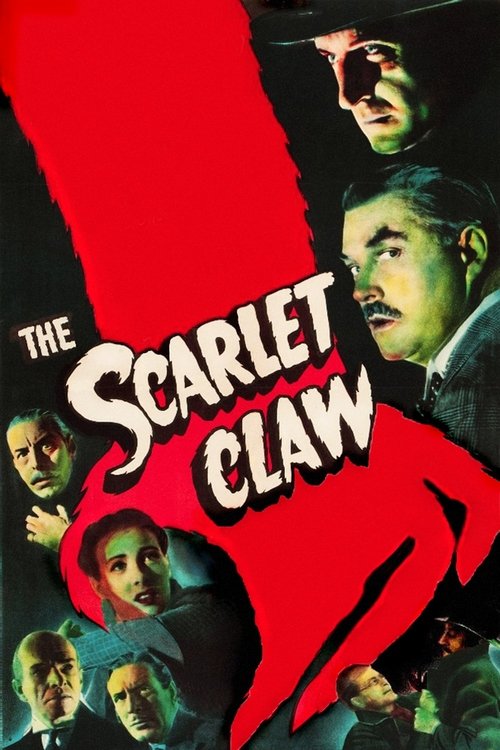
The Scarlet Claw is a classic 1940s mystery that adheres to genre conventions while avoiding contemporary social issues. Its narrative structure reinforces the era’s established hierarchies and norms. The film offers limited representation, focusing on a traditional mystery-thriller format. It avoids challenging the cultural status quo, maintaining a stable and conventional experience. Ultimately, the film reflects its time period, providing a standard mystery experience without modern identity-based depth.
Category Breakdown
The film does not include any LGBTQ+ identities or same-sex relationships. The relationship between Holmes and Watson is portrayed as a close friendship without romantic undertones.
Women in the film are mainly depicted as victims or minor supporting characters. The story emphasizes male-driven intellectual and physical prowess, reinforcing mid-20th-century gender roles.
The cast is predominantly white and Anglo-Saxon. There are no characters of color who play significant roles, reflecting the demographic limitations of 1940s genre cinema.
The story upholds traditional Western norms and institutions, reinforcing social order and classical morality. It aligns closely with the cultural standards of the time.
There is no meaningful depiction of neurodivergence or physical disabilities. Characters with impairments are not given central roles in the plot.
Present on Screen
Limited or Absent
Official Synopsis
When a woman is found dead with her throat torn out, the local villagers blame a supernatural monster. But Sherlock Holmes, who gets drawn into the case from nearby Quebec, suspects a human murderer.
1943
1943
1946
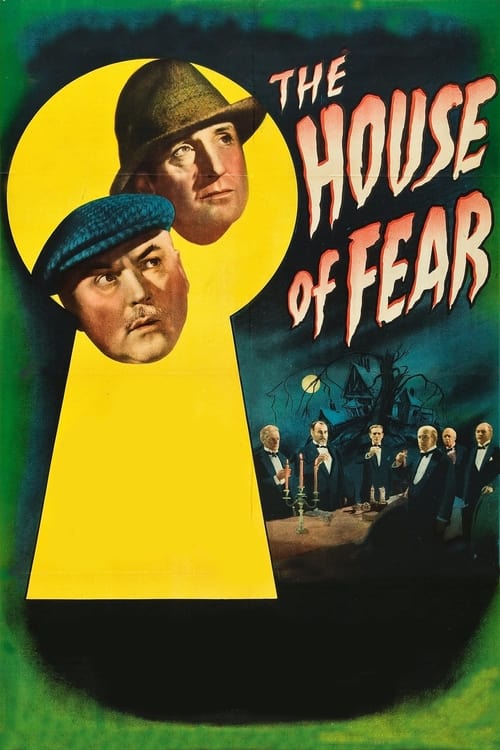
1945
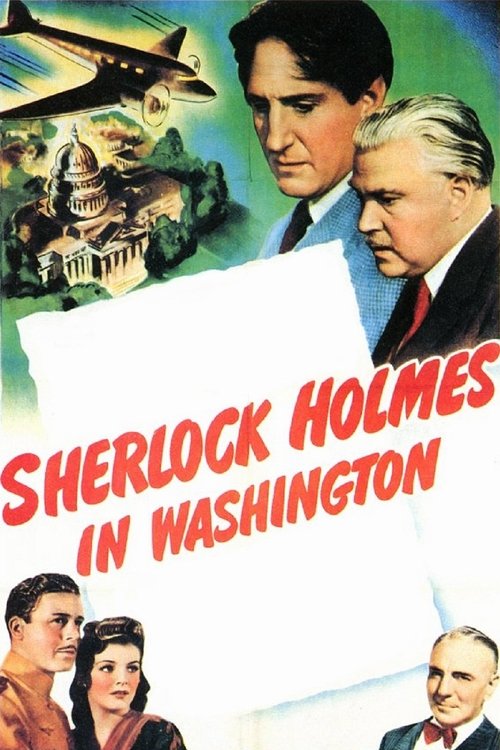
1943
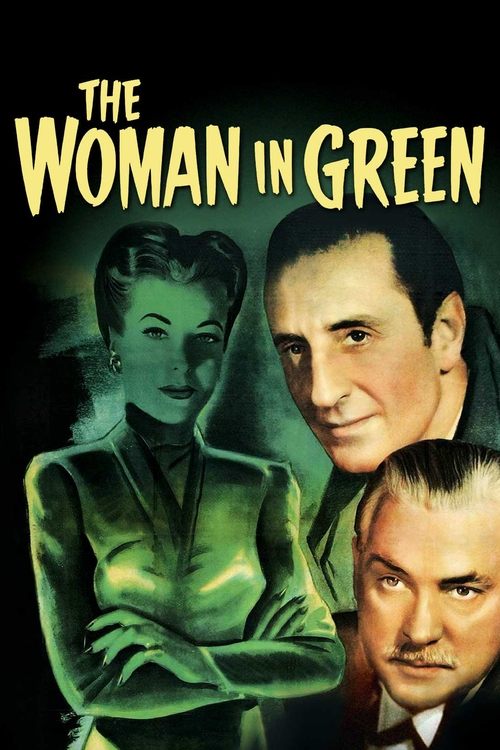
1945

1946
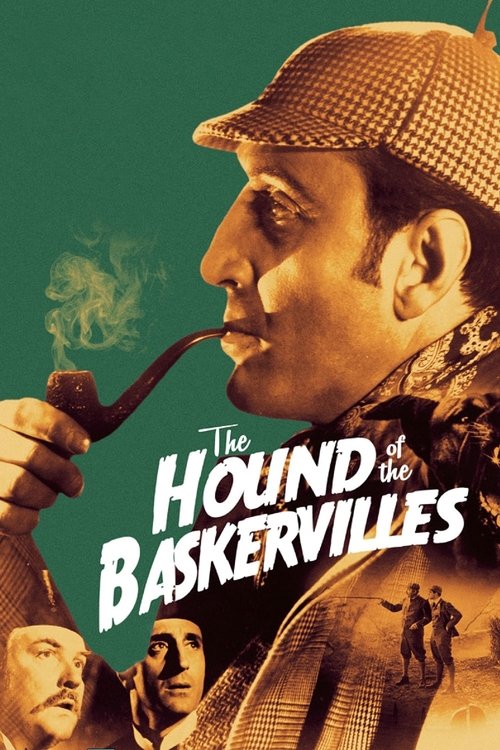
1939
No reviews yet. Be the first to share your thoughts on this movie!
Use the rating form above to leave a star rating and optional review.