
Laura
1944
No user ratings available yet
Representation score: 0.4 out of 10
Representation Score
Limited
1947
ApprovedDirector
Alfred Hitchcock
Runtime
114 minutes
Average Rating
No ratings yetNew Showbiz Analysis
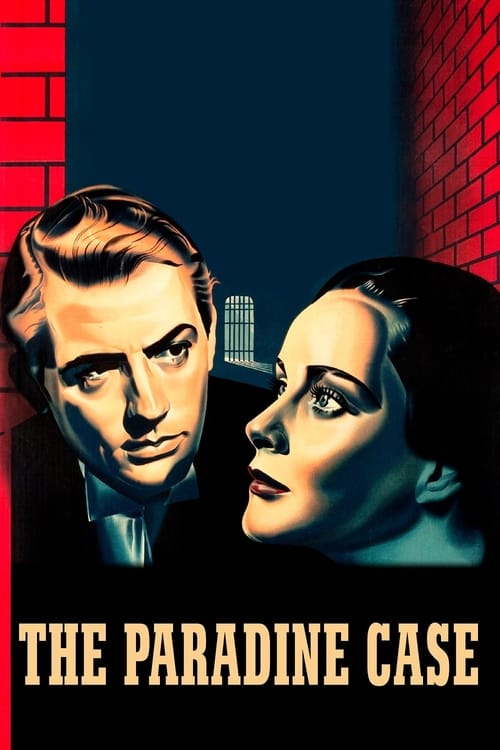
The film is a mid-century melodrama that prioritizes psychological suspense over diverse representation. It explores the tension between legal and emotional truths but remains anchored in the social hierarchies of its era. While Maddalena Paradine provides a sophisticated study of ability to act, her character is still framed by traditional gendered expectations. The narrative focuses on individual morality rather than deconstructing systemic issues. Ultimately, the work reflects the period's social constraints, offering a homogeneous view of class and race while using disability primarily as a plot mechanism.
Category Breakdown
The story focuses on traditional romantic and marital structures, such as adultery and sexual fidelity. There are no queer subtexts or non-cisgender identities in the character arcs.
Maddalena Paradine is a central force who disrupts the male protagonist's stability. However, her role is tied to mid-century stereotypes like the femme fatale. The story ultimately reinforces the consequences of deviating from social decorum.
The cast is predominantly white, reflecting the homogeneous socioeconomic landscape of 1940s British aristocracy. There are no non-Anglo-Saxon characters in significant roles.
The film explores moral relativism by questioning if private moral failings should dictate legal standing. It operates within Western institutions without addressing systemic oppression.
Blindness is used as a functional narrative device to facilitate the mystery. While Lord Paradine's condition is central to the plot, it lacks nuanced character development or ability to act.
Present on Screen
Limited or Absent
Official Synopsis
In London, barrister Anthony Keane takes the case of Maddalena Paradine, a beautiful woman accused of poisoning her blind husband. Though happily married, Keane becomes infatuated with his enigmatic client and convinced of her innocence. His obsession clouds his judgment as he builds a defense implicating her servant, André Latour—an act that leads to devastating consequences both in court and at home.
1944
1950
1957
1949
1945
1947
1959
1937
No reviews yet. Be the first to share your thoughts on this movie!
Use the rating form above to leave a star rating and optional review.