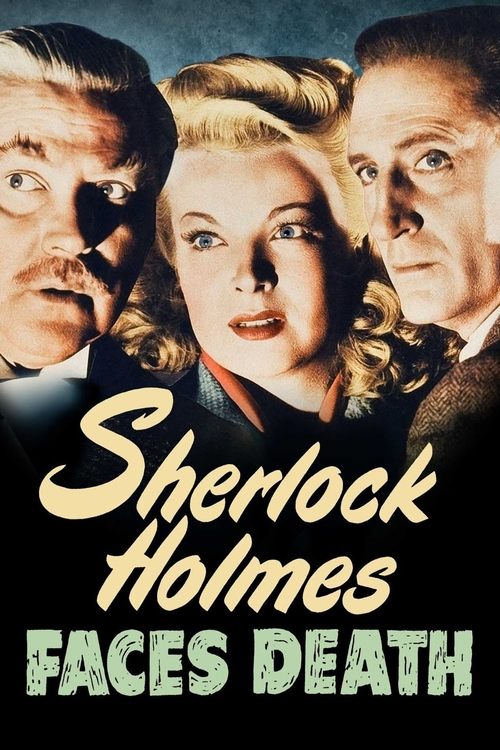
Sherlock Holmes Faces Death
1943
No user ratings available yet
Representation score: 2.7 out of 10

Representation Score
Minimal
1946
NRDirector
Sidney Gilliat
Runtime
91 minutes
Average Rating
No ratings yetNew Showbiz Analysis
Green for Danger is a quintessential product of its 1940s British context. The film prioritizes suspense and the mechanics of the mystery genre over social subversion or characters who reflect more than one aspect of diversity. The narrative architecture maintains the status quo of the era's social hierarchies and traditional gender roles. It functions as a traditional crime thriller that seeks to restore legal order rather than challenge institutional authority.
Category Breakdown
The film does not include any LGBTQ+ characters or identities outside of straight-centered relationships. The social framework aligns with mid-century British standards.
Margaret Lockwood plays a significant role within the mystery, providing some women's ability to drive the story. However, the characters adhere to the traditional gender roles and social hierarchies of the time.
The cast is predominantly white, reflecting the racial makeup of 1946 Britain. There is no evidence of non-white actors or diverse casting to challenge demographic norms.
The narrative centers on personal accountability rather than critiquing Western institutions. It relies on the stability of social structures like the family and legal system to establish stakes.
There is no significant depiction of physical, sensory, or neurodivergent disabilities. Disability is not used as a narrative device or tool for character development.
Present on Screen
Limited or Absent
Official Synopsis
In the midst of Nazi air raids, a postman dies on the operating table at a rural hospital. But was the death accidental?
1943
1946
1939
1944
2013
1944
1931

1942
No reviews yet. Be the first to share your thoughts on this movie!
Use the rating form above to leave a star rating and optional review.