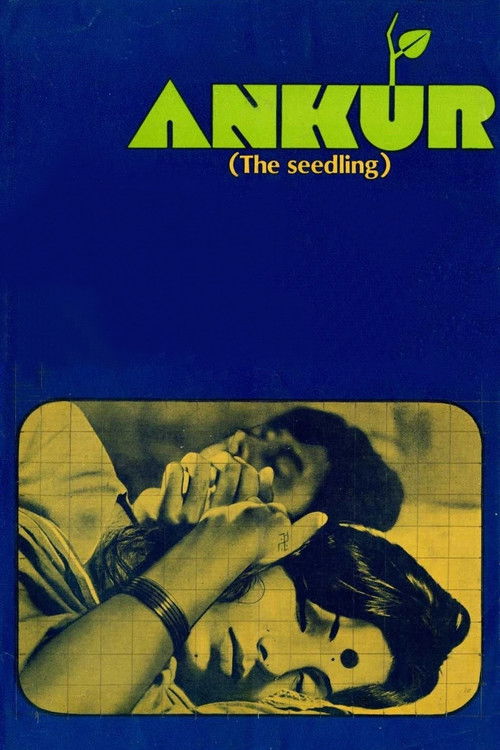
Ankur
1974
No user ratings available yet
Representation score: 4.6 out of 10

Representation Score
Fair
1984
Director
Goutam Ghose
Runtime
141 minutes
Average Rating
No ratings yetNew Showbiz Analysis
Paar is a powerful look at systemic inequality, using the struggle for survival to break down social hierarchies. It goes beyond surface-level inclusion by focusing on the Dalit experience and the complexities of caste-based power dynamics. The film's strength lies in its nuanced exploration of multiple aspects of identity and its critique of established economic structures. By showing survival as a result of systemic failure, it questions the morality of dominant social orders. However, the film remains limited by its lack of LGBTQ+ characters and its adherence to a traditional patriarchal framework. While the female lead plays a significant role, the narrative does not actively work to dismantle masculine leadership.
Category Breakdown
The film does not include any LGBTQ+ characters or stories that go beyond the assumption that everyone is straight or cisgender. It focuses solely on a heterosexual family to explore socioeconomic struggles.
The film challenges the stereotype of passive women by highlighting the pregnant wife's physical endurance and active role in the story. Despite operating within a patriarchal structure, she plays a key role in the struggle.
The film excels in representing underrepresented groups by focusing on the Dalit experience and rural life. It gives real power to characters typically sidelined in cinema.
The film offers a sophisticated critique of economic and social systems. It emphasizes the impact of land ownership and the exploitation of the rural poor.
The film does not feature any specific depictions of physical or neurodivergent disabilities. Instead, the plot revolves around the physical challenges of poverty and pregnancy.
Present on Screen
Limited or Absent
Official Synopsis
When a Dalit wins the elections for mayor in his small village in northeastern India, deadly rioting forces an impoverished couple to escape to Calcutta where they can hopefully find work. Instead, they end up sleeping on the streets until they have a chance at earning a little income -- a man has asked them to take his herd of pigs across a fast-moving river. The current is dangerous, and worse, the wife is pregnant and this would not be an easy task even if she were not. Undaunted and desperate, the couple accept the job and enter the river to face their destiny.
1974

1959

1973
1955
1954

2005

1977

1972
No reviews yet. Be the first to share your thoughts on this movie!
Use the rating form above to leave a star rating and optional review.