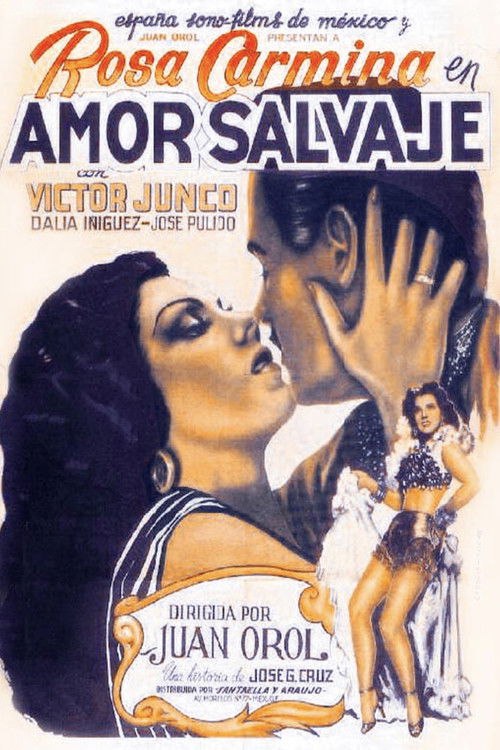
Wild Love
1950
No user ratings available yet
Representation score: 1.4 out of 10
Representation Score
Limited
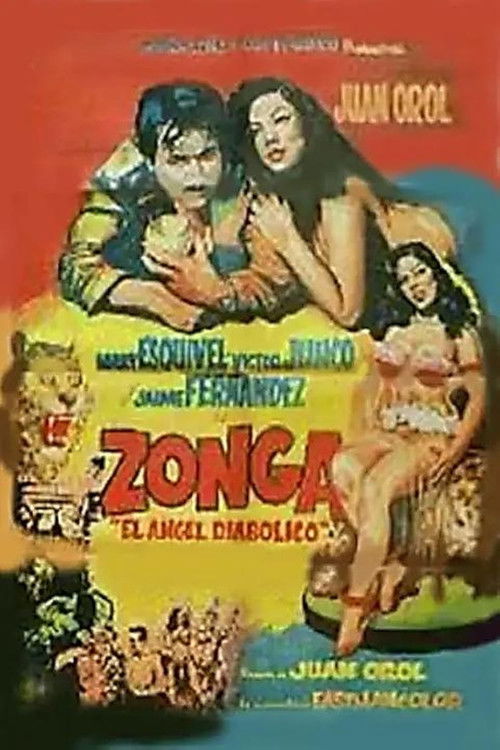
1957
Director
Juan Orol
Runtime
96 minutes
Average Rating
No ratings yetNew Showbiz Analysis
Zonga, el ángel diabólico is a mid-century genre film that explores the clash between Western rationalism and indigenous mysticism. While it avoids a completely homogenous cast by featuring an indigenous priestess, the narrative remains rooted in traditional romantic and colonial-era clichés. The film's structure emphasizes the perspective of the Western protagonist, using the indigenous setting primarily as a backdrop for his scientific mission. This results in a dynamic where spiritual traditions are often perceived as 'other' or superstitious. Overall, the film reflects the cinematic constraints of its time, balancing a degree of ethnic inclusion against a framework that upholds Western hierarchies.
Category Breakdown
The story centers around a romantic relationship between a male researcher and a female priestess. It does not include any same-sex intimacy or characters with non-traditional gender identities.
The film follows a conventional romantic storyline. Although the priestess holds spiritual authority, the tension revolves around the interaction between the male protagonist's mission and her role.
The story features a relationship between a Westerner and an indigenous character. By placing an indigenous figure at the center, it introduces diversity into an otherwise homogeneous cast.
The film examines the conflict between secular science and indigenous spirituality. However, the 'cursed island' motif may frame non-Western traditions as superstitions.
There are no visible or invisible disabilities that play a central role in the character arcs within the film.
Present on Screen
Limited or Absent
Official Synopsis
A medical researcher arrives at a cursed island and falls in love with an indigenous priestess.
1950

2007

1966
1943
1983
1970
1970
1988
No reviews yet. Be the first to share your thoughts on this movie!
Use the rating form above to leave a star rating and optional review.