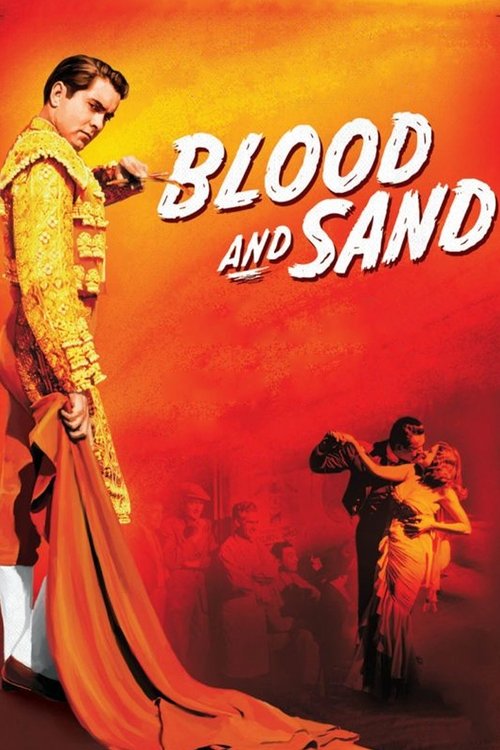
Blood and Sand
1941
No user ratings available yet
Representation score: 0.9 out of 10
Representation Score
Limited
1954
Director
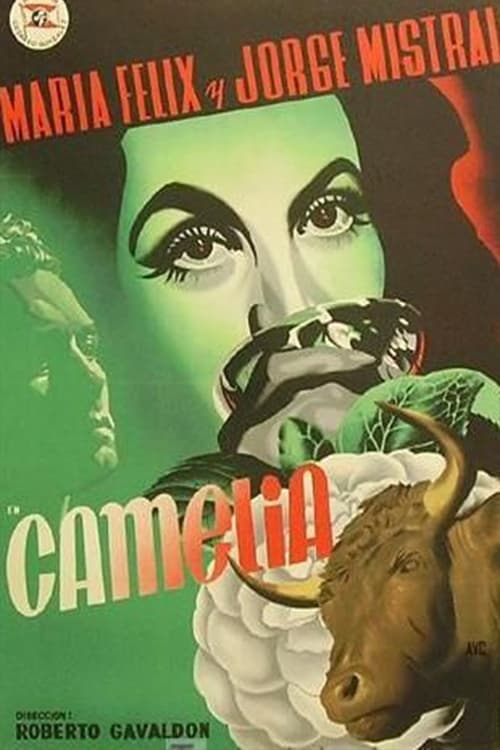
Roberto Gavaldón
Runtime
110 minutes
Average Rating
No ratings yetNew Showbiz Analysis
Roberto Gavaldón’s *Camelia* is a quintessential mid-century Mexican melodrama that prioritizes high-production value and emotional intensity over social disruption. While it offers a non-Western perspective through its Mestizo cast, the film remains deeply rooted in the rigid social hierarchies and moral frameworks of 1954. The narrative relies heavily on established clichés, such as the 'ailing woman' and the 'doomed romance,' to drive its tragic arc. These elements reinforce traditional gender roles and class stratifications rather than challenging them. Ultimately, the film functions as a study of romantic tragedy and class-based social consequences, reflecting the cinematic constraints and conservative cultural values of the Golden Age of Mexican cinema.
Category Breakdown
The film follows a traditional 1950s romantic melodrama structure, focusing solely on a heterosexual relationship without any representation of LGBTQ+ narratives or non-binary gender identities.
The story centers around a beautiful courtesan, a common cliché that balances female empowerment against societal judgment. It leans on conventional feminine archetypes and emphasizes tragic suffering rather than challenging power structures.
The film features a predominantly Mestizo and Latin American cast, deviating from Hollywood's Anglo-centric norms. However, it upholds Eurocentric beauty standards typical in adaptations of French literature.
The narrative unfolds within a traditional moral framework typical of the time, emphasizing the social repercussions of transgressions through the use of the courtesan archetype as a cautionary tale.
The protagonist's illness serves mainly as a plot device to create a tragic ending. Physical frailty is used for emotional impact rather than showcasing a character with ability to act.
Present on Screen
Limited or Absent
Official Synopsis
A sort of meta riff on Alexandre Dumas fils' novel The Lady of the Camellias (La Dame aux Camélias or Camille) here in Mexican melodrama form involving the doomed love of a bullfighter and a beautiful but ailing actress/courtesan.
1941
1945
1945
1945
1948

1989
1955

1984
No reviews yet. Be the first to share your thoughts on this movie!
Use the rating form above to leave a star rating and optional review.