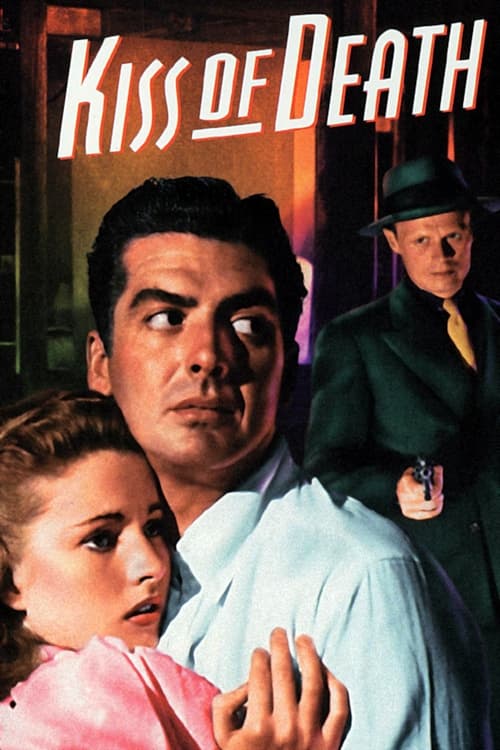
Kiss of Death
1947
No user ratings available yet
Representation score: 0.9 out of 10

Representation Score
Limited
1953
ApprovedDirector
Fritz Lang
Runtime
89 minutes
Average Rating
No ratings yetNew Showbiz Analysis
The Big Heat presents a film filled with contradictions, where demographic diversity is traded for a deep critique of systemic issues. Despite a lack of racial and LGBTQ+ diversity, the narrative structure challenges the era's moral binaries. The film stands out for its cultural deconstruction, portraying institutions as inherently flawed. This intellectual depth offers a progressive perspective on authority and corruption. Ultimately, the film's impact comes from its portrayal of authority as inherently flawed, creating a complex examination of individual action against a failing system.
Category Breakdown
The film adheres to an assumption that everyone is straight or cisgender, with no depiction of queer identities or subtext related to non-conforming gender identities.
Female characters are portrayed as complex participants in the power struggle, avoiding the typical role of submissive women. The film grants women significant roles in driving the story and engages them intellectually.
The cast is primarily composed of white actors, reflecting the social constraints of the time. The narrative focuses on a white-centric urban environment without much diversity.
The story critiques Western institutions, showing law enforcement and municipal government as compromised entities. It emphasizes moral relativism over traditional authority.
There are no significant depictions of physical or neurodivergent disabilities in the narrative.
Present on Screen
Limited or Absent
Official Synopsis
After the suspicious suicide of a fellow cop, tough homicide detective Dave Bannion takes the law into his own hands when he sets out to smash a vicious crime syndicate.
1947
1955

1950

1948

1949
1951

1948

1942
No reviews yet. Be the first to share your thoughts on this movie!
Use the rating form above to leave a star rating and optional review.