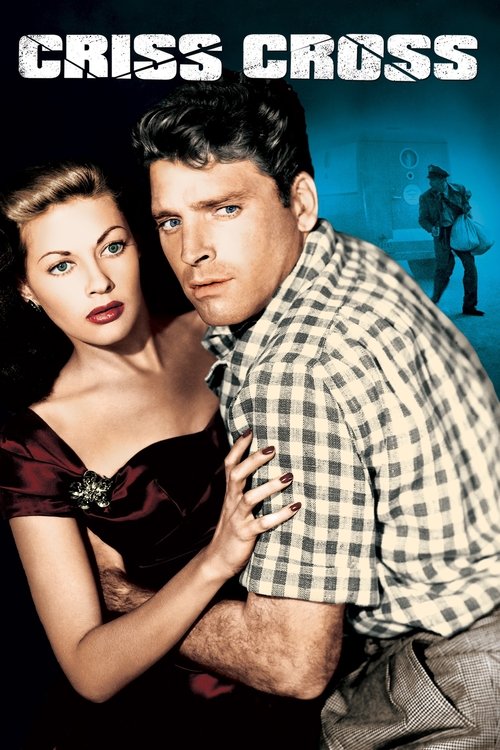
Criss Cross
1949
No user ratings available yet
Representation score: 1.1 out of 10
Representation Score
Minimal
1947
NRDirector
Henry Hathaway
Runtime
99 minutes
Average Rating
No ratings yetNew Showbiz Analysis
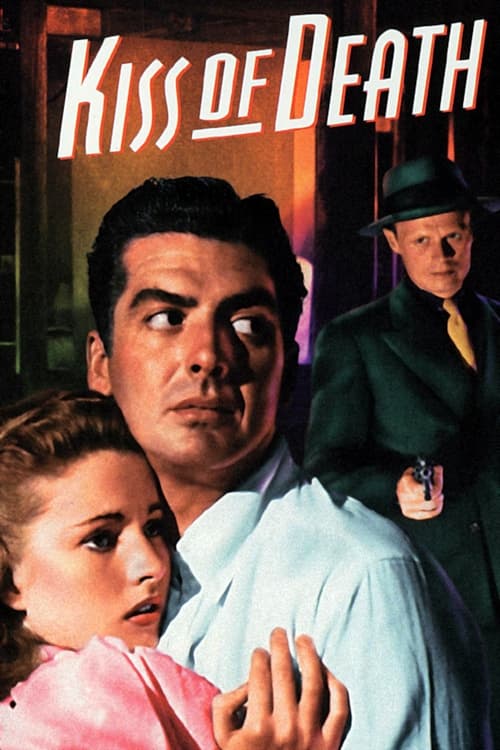
Kiss of Death is a classic product of the 1947 studio era, emphasizing genre clichés over social critique. While it offers a nuanced view of individual morality and the corruption of organized crime, it remains firmly grounded in the social hierarchies of the time. The film lacks diverse representation, focusing mainly on a homogeneous urban environment. It does not include LGBTQ+ individuals or people with disabilities.
Category Breakdown
The film follows the conventions of the 1940s, where everyone is assumed to be straight and cisgender. There are no representations of LGBTQ+ identities or same-sex relationships.
Women are portrayed through the femme fatale archetype, which gives them some narrative importance. However, male characters dominate leadership roles and physical confrontations.
The cast is primarily white and Anglo-Saxon, reflecting the era's standards. The main characters lack significant racial or ethnic diversity.
The story delves into personal morality and redemption within a corrupt urban setting. It focuses on individual struggles without critiquing broader societal issues related to religion or capitalism.
There are no visible or invisible disabilities shown in the film. The narrative does not address neurodivergence or chronic illness.
Present on Screen
Limited or Absent
Official Synopsis
An ex-con trying to go straight must face a crazed criminal out for revenge.
1949
1942

1953
1955
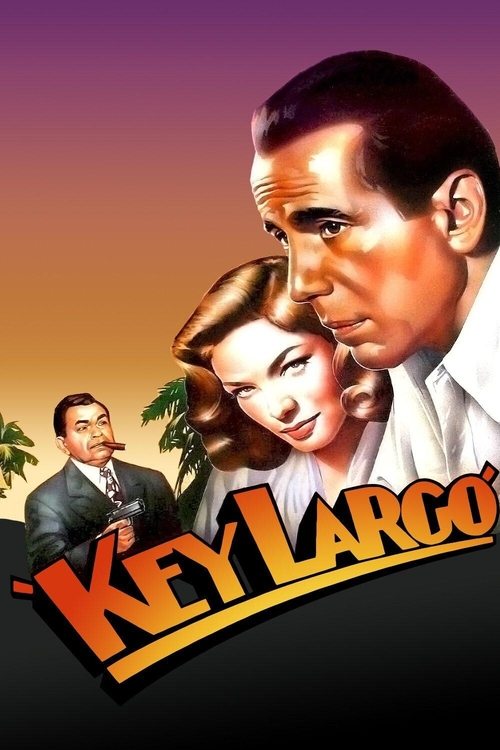
1948
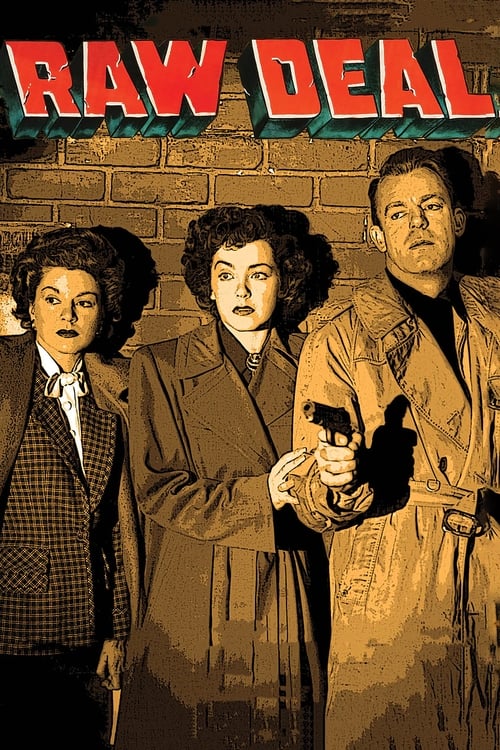
1948
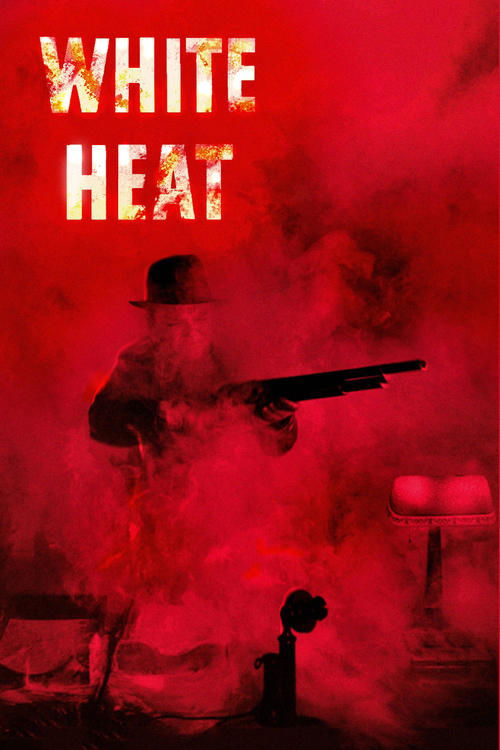
1949
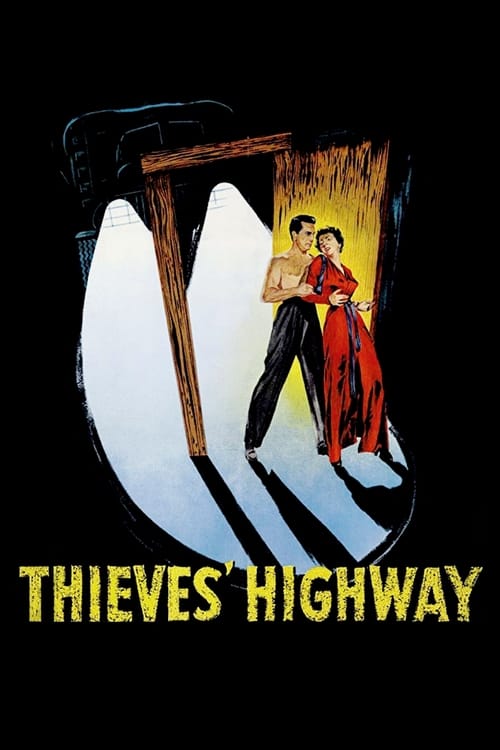
1949
No reviews yet. Be the first to share your thoughts on this movie!
Use the rating form above to leave a star rating and optional review.