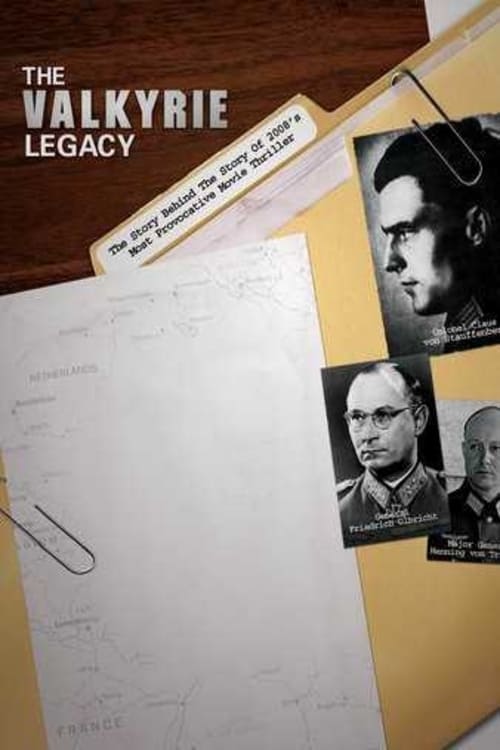
The Valkyrie Legacy
2008
No user ratings available yet
Representation score: 1.4 out of 10
Representation Score
Fair
2007
PG-13Director
Kevin Macdonald
Runtime
87 minutes
Average Rating
No ratings yetNew Showbiz Analysis
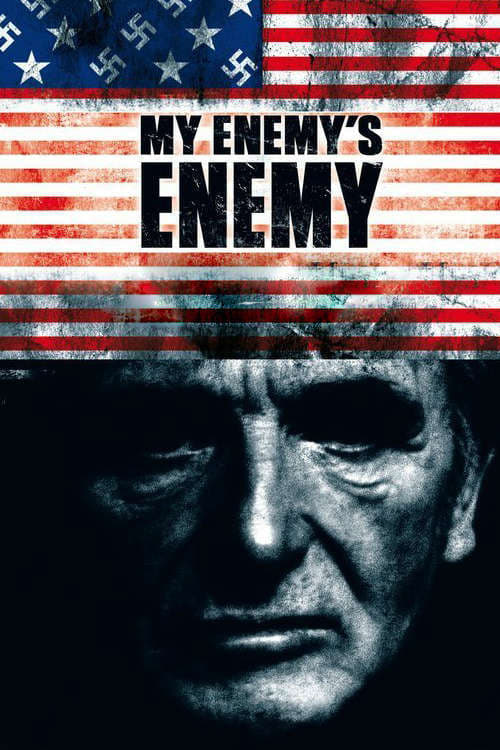
My Enemy's Enemy is a work of critical historical revisionism that prioritizes systemic critique over traditional identity representation. Its primary impact comes from deconstructing the moral authority of Western institutions and their historical complicity with fascism. While the film lacks visible LGBTQ+ or gender diversity, it excels at challenging the hegemony of the official historical record. It replaces heroic Western narratives with a complex study of institutional corruption and power dynamics. Ultimately, the documentary's value lies in its intellectual disruption of established history rather than its inclusion of diverse social identities.
Category Breakdown
The film focuses on post-war geopolitical maneuvers and the life of Klaus Barbie. It does not include any visible LGBTQ+ characters or themes related to gender identity.
The narrative centers on masculine-coded spheres of power, such as espionage and warfare. It primarily examines the actions of male figures like Barbie and intelligence agents.
The documentary disrupts Anglo-centric clichés by re-examining Western governments' ties to fascist ideologies. This perspective challenges the perceived moral superiority of dominant post-war powers.
The film engages deeply with themes that challenge traditional Western institutions. It prioritizes a deconstruction of official history over patriotic or singular Western ideals.
There is no information regarding the depiction of physical or mental disabilities in the film.
Present on Screen
Limited or Absent
Official Synopsis
Reveals an alternate history of the post-war world. This is a version of history where, in contrast to what we are all told, fascist ideology prevailed. The story of Klaus Barbie, Nazi torturer, American spy, tool of repressive right-wing regimes, is symbolic of the real relationship that the "Western" governments had with fascism and makes us see the world as it is today - and the politicians that inhabit it - in a different way.
2008
2012
1962
2007

1971
2007
2012
2023
No reviews yet. Be the first to share your thoughts on this movie!
Use the rating form above to leave a star rating and optional review.