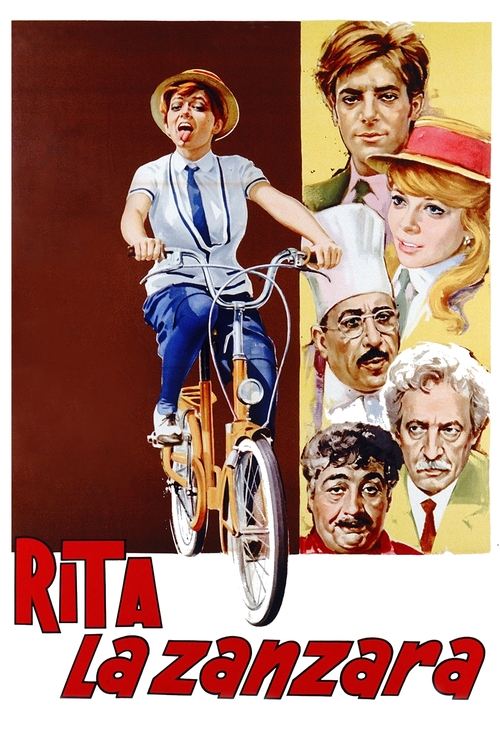
Rita the Mosquito
1966
No user ratings available yet
Diversity score: 4.9 out of 10

1974
PGDirector
Patrick McGoohan
Runtime
97 minutes
Average Rating
No ratings yetSynopsis
Screenwriter John Good's rock & roll adaptation of Shakespeare's Othello who is a wandering evangelist who happens onto Iago's remote commune. There he marries the lovely Desdemona much to the chagrin of Iago, who also loves her. The conniving commune leader then manages to quietly pressure Othello until murder and tragedy ensue. Songs include: "Othello", "Working on a Building," "Eat the Bread, Drink the Wine," "Book of Prophecy," "That's What God Said," "Chug a Lug," "Open Your Eyes," "Lust of the Blood," "Put Out the Light" and more.
Overall Score
Good
Category Breakdown
LGBTQ+ Representation
The film explores obsessive, non-normative longing through Iago's unrequited desire for Desdemona. While queer identities aren't explicitly confirmed, the narrative subverts traditional romantic hierarchies.
Gender Representation
Desdemona displays agency in her romantic choices, though she remains subject to male-driven tragedy. The film also deconstructs masculine stability by portraying Othello as a vulnerable, manipulated figure.
Racial & Ethnic Diversity
As an adaptation of Othello, the film engages with themes of racial identity and outsider status. It uses the protagonist to explore friction within an exclusionary social group.
Religious & Cultural Diversity
The commune setting critiques traditional Western social and religious institutions. Using rock music to deliver Shakespearean dialogue effectively deconstructs high-culture elitism.
Disability Representation
There is no discernible evidence regarding the portrayal of physical or neurodivergent disabilities in this production.
Strengths
Areas for Improvement
AI Analysis
Catch My Soul offers a subversive, rock-and-roll reimagining of Shakespeare that prioritizes psychological complexity over classical archetypes. By transplanting Othello into a 1970s commune, the film challenges established power structures and religious authority. The production excels at cultural deconstruction, using music to bridge the gap between high art and contemporary social critique. It successfully reframes traditional hierarchies, making the narrative feel fluid and disruptive. However, the film remains tethered to tragic tropes that ultimately limit the agency of its female characters. While it explores outsider status, it lacks specific representation for disability.
1966
1993
![Movie poster for anyone lived in a pretty [how] town](https://image.tmdb.org/t/p/w500/m6BTukf1PIgUZEFJoKTO2bJii0r.jpg)
1967
1987
2005
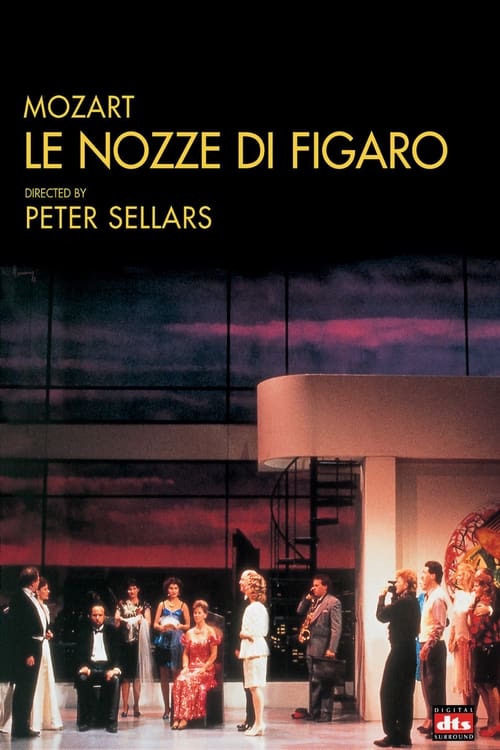
1990
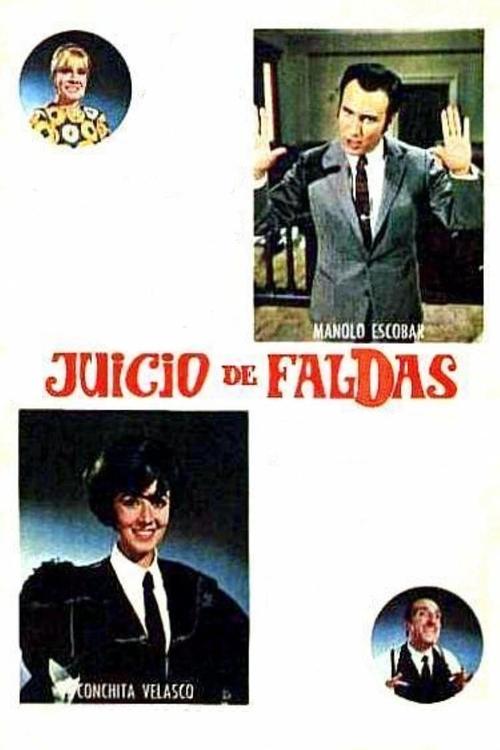
1969
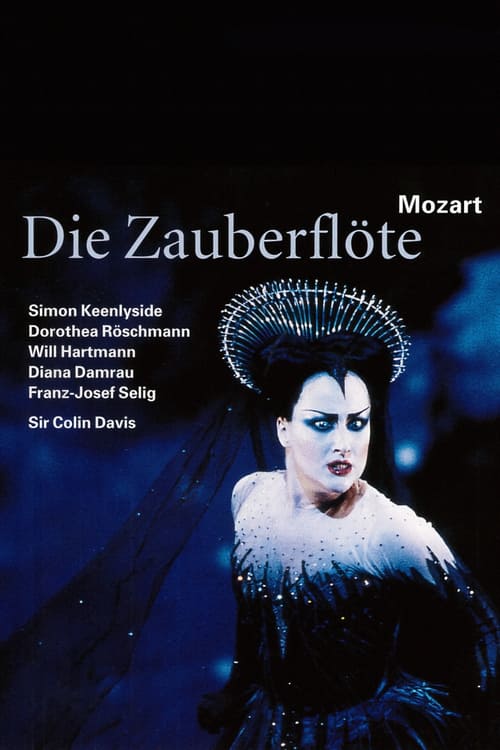
2003
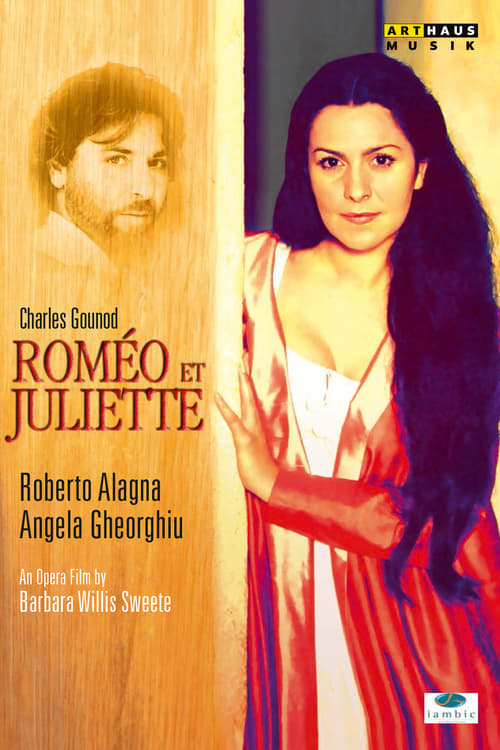
2002
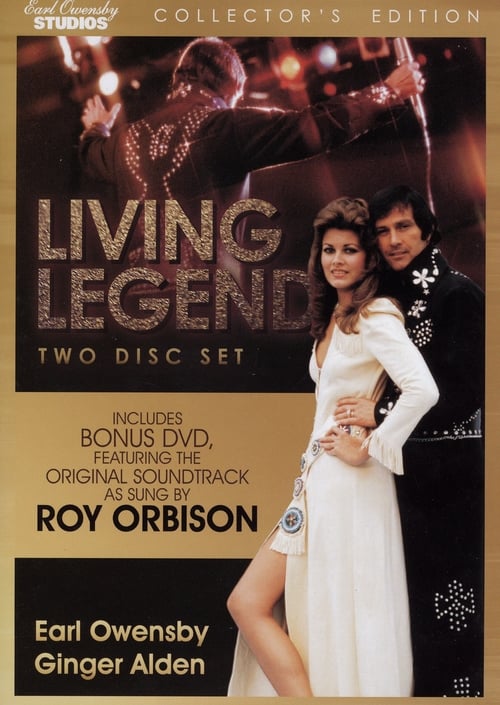
1980
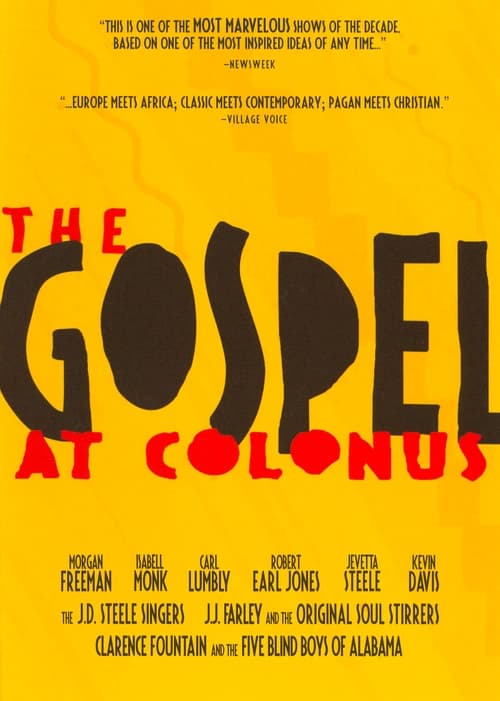
1985
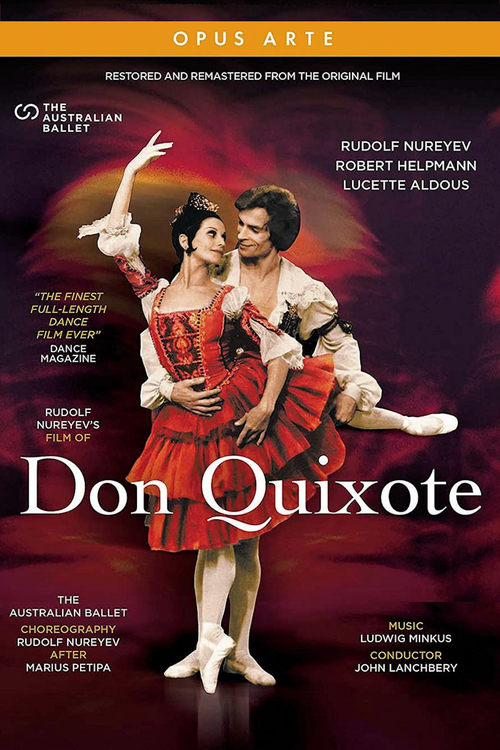
1973
No reviews yet. Be the first to share your thoughts on this movie!
Use the rating form above to leave a star rating and optional review.