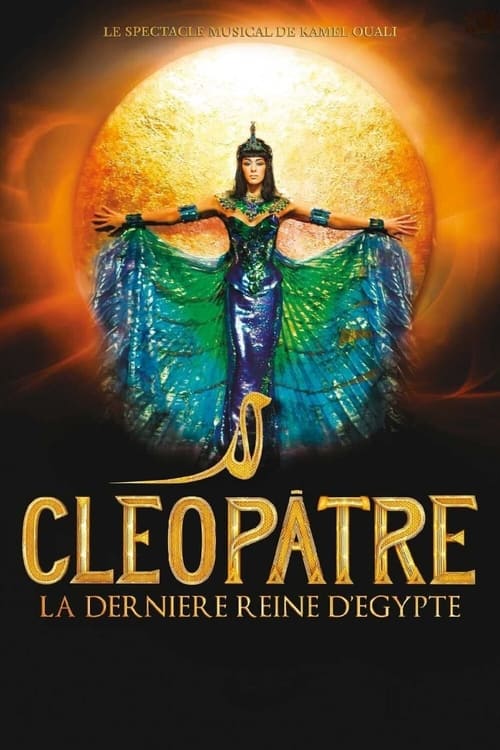
Cléopâtre, la dernière Reine d'Egypte
2009
No user ratings available yet
Diversity score: 4.4 out of 10
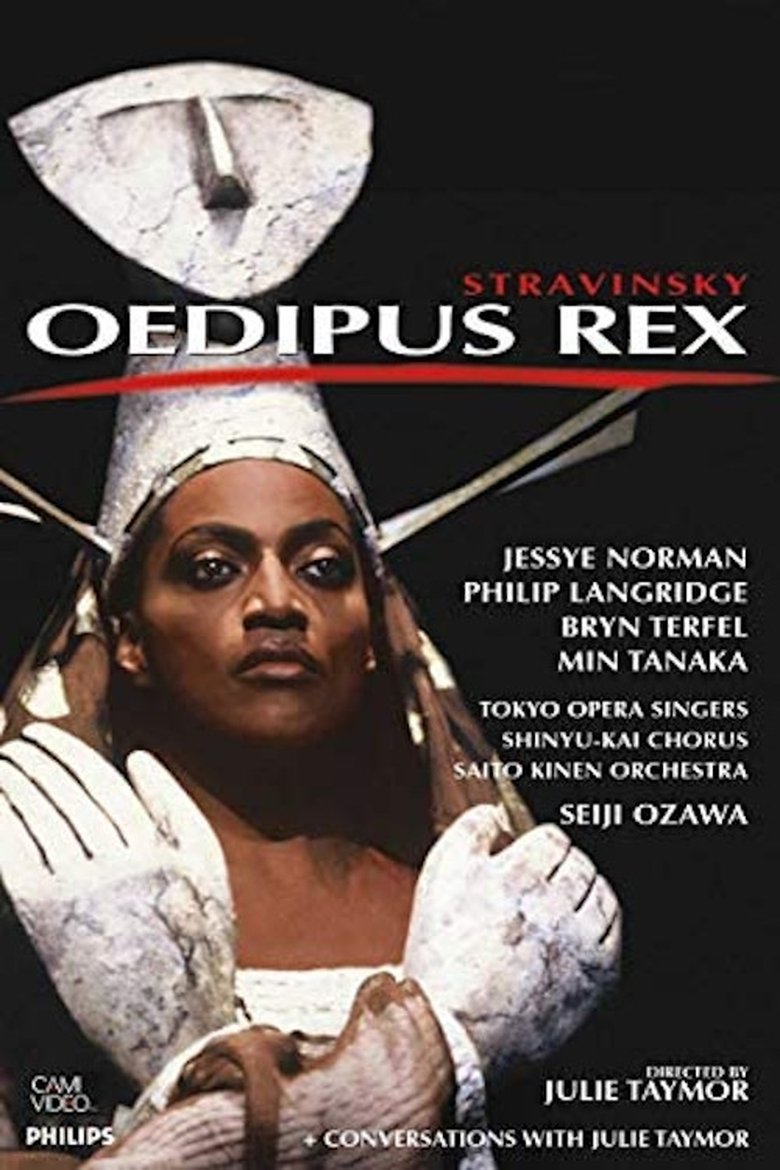
1993
TV-GDirector
Julie Taymor
Runtime
57 minutes
Average Rating
No ratings yetSynopsis
Impressed by Jean Cocteau’s rewrite of Antigone, Stravinsky asked the poet for an adaptation of Oedipus Rex. The resulting libretto brings together the key scenes of Sophocles’s tragedy translated by the Abbé Jean Daniélou into Latin—a language that, according the composer, “is not dead but engraved in stone, and so imposing that it is immune to any popularization”.
Overall Score
Fair
Category Breakdown
LGBTQ+ Representation
The production adheres strictly to the classical Sophoclean framework. It lacks explicit depictions of non-cisnormative identities or same-sex romantic narratives, focusing instead on the heteronormative bond between Oedipus and Jocasta.
Gender Representation
Taymor disrupts traditional hierarchies by centering Jocasta's tragic agency. The direction emphasizes female power and psychological complexity, moving away from simplistic portrayals of submissive femininity within the Theban hierarchy.
Racial & Ethnic Diversity
An avant-garde, non-naturalistic aesthetic avoids traditional whitewashing. The visual design utilizes an international, diverse ensemble to reflect the universalist ambitions of the Stravinsky and Cocteau collaboration.
Religious & Cultural Diversity
The film explores moral relativism through a postmodern lens. It deconstructs divine authority, presenting the Delphic Oracle and cosmic fate as systemic forces of inevitability rather than purely moralistic ones.
Disability Representation
There are no prominent depictions of physical or neurodivergent disabilities. No such traits serve as central character arcs or significant plot devices within this adaptation.
Strengths
Areas for Improvement
AI Analysis
Julie Taymor’s adaptation of *Oedipus Rex* succeeds by using stylized, non-naturalistic visual languages to transcend the limitations of a singular, Western-centric historical lens. By prioritizing aesthetic symbolism over strict realism, the film achieves a universalized exploration of human agency. While the work does not engage with modern LGBTQ+ narratives or specific disability arcs, it finds depth in its deconstruction of power. The production moves beyond traditional storytelling to present a world where systemic forces and fragile social orders collide. Ultimately, the film's strength lies in its ability to use mask-work and movement to challenge classical rigidity, offering a sophisticated, international perspective on mythic tragedy.
2009
1987
1987
2013
1974

2015
1995
2012
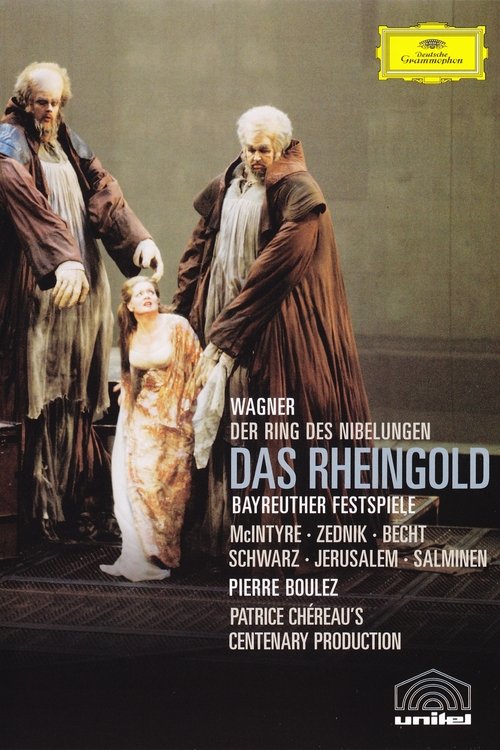
1980
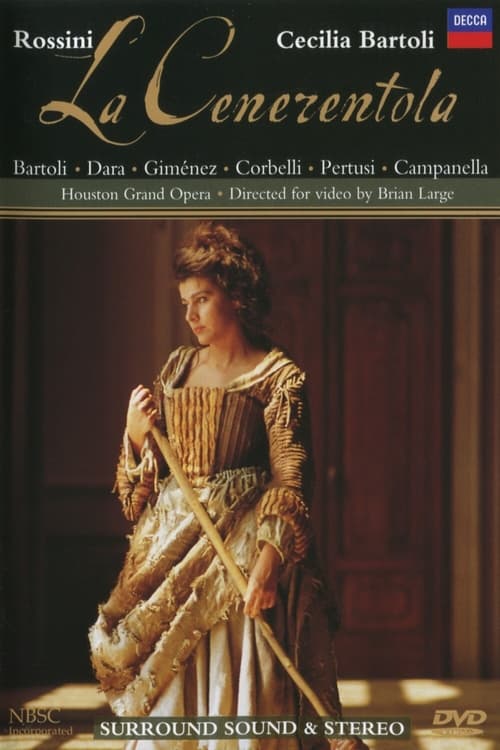
2001
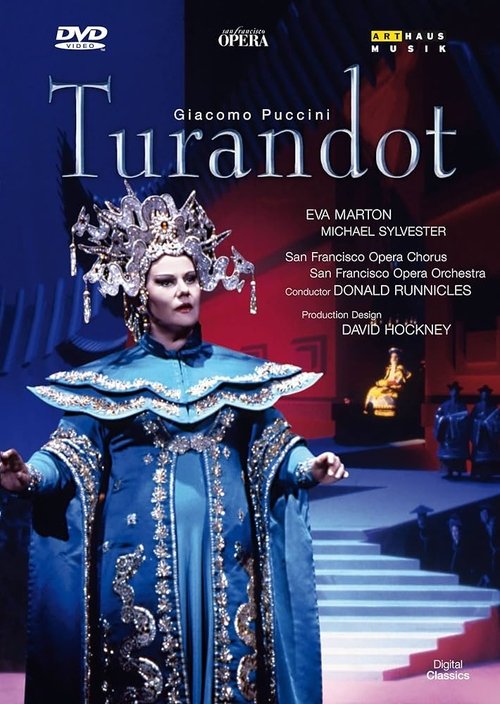
1994
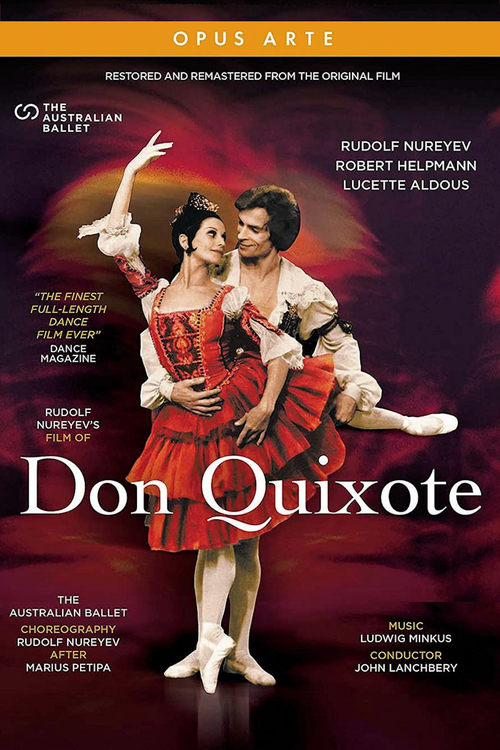
1973
No reviews yet. Be the first to share your thoughts on this movie!
Use the rating form above to leave a star rating and optional review.