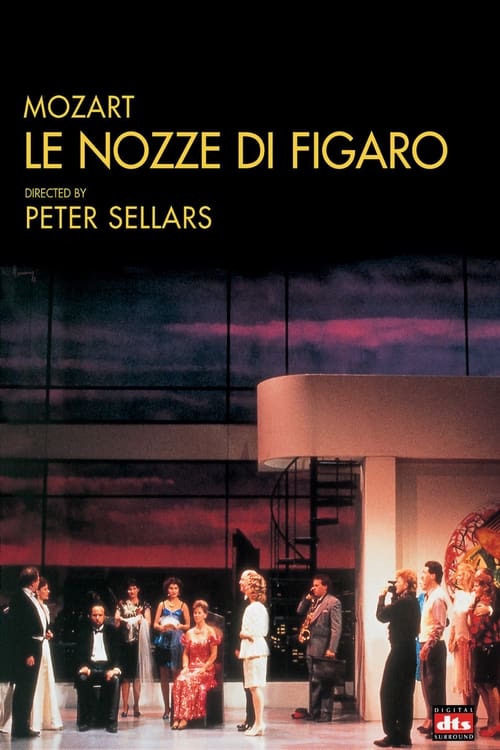
The Marriage of Figaro
1990
No user ratings available yet
Diversity score: 5.8 out of 10
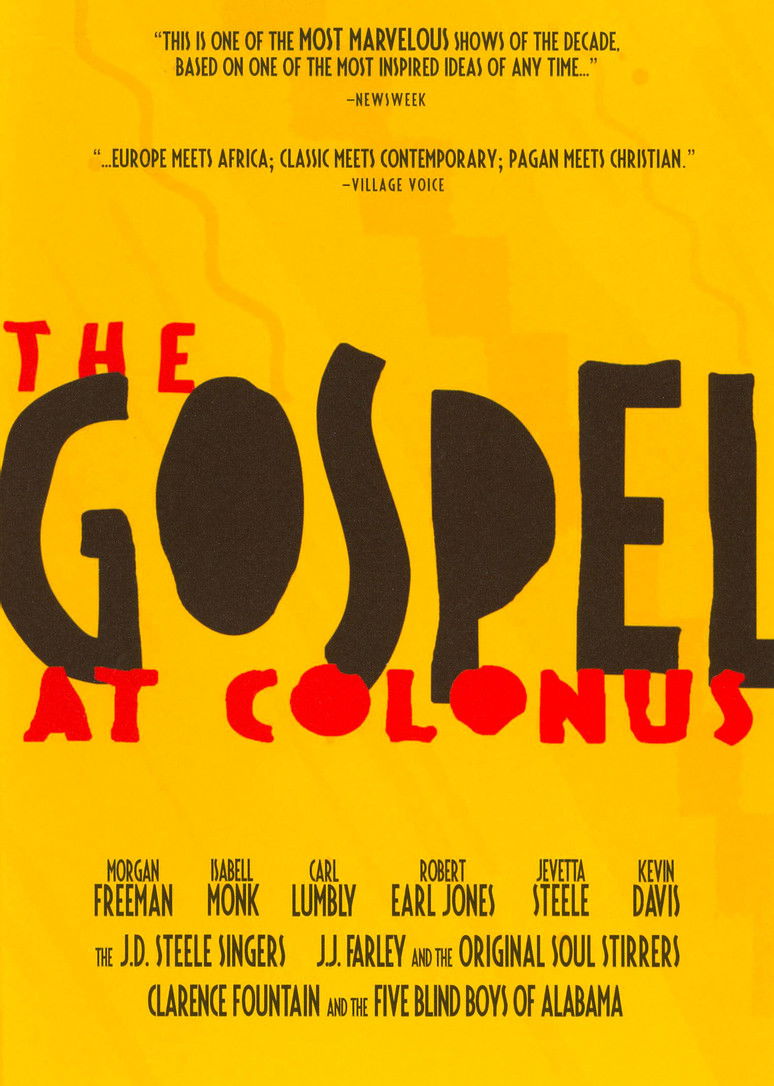
1985
TV-GDirector
Kirk Browning, Lee Breuer
Runtime
87 minutes
Average Rating
No ratings yetSynopsis
An African-American musical version of Sophocles's tragedy, Oedipus at Colonus. In 1985 PBS televised the original Brooklyn Academy of Music production, as presented by the American Music Theater Festival at the Annenberg Center in Philadelphia, as part of the Great Performances series.
Overall Score
Good
Category Breakdown
LGBTQ+ Representation
The production focuses on familial and spiritual struggles rather than queer identities. While it subverts classical archetypes through a Black lens, it lacks explicit depictions of queer intimacy.
Gender Representation
The story follows the relationship between Oedipus and his daughters, Antigone and Ismene. The spiritual framework provides a nuanced backdrop for female agency within the traditional Sophoclean structure.
Racial & Ethnic Diversity
This landmark production uses an all-Black cast to interpret a foundational Western text. It utilizes gospel and spirituals to challenge the historical association of classical antiquity with Whiteness.
Religious & Cultural Diversity
The film replaces Greek religious frameworks with the Black church experience. It explores themes of exile and displacement through a lens of communal and spiritual resilience.
Disability Representation
Oedipus's blindness is treated as a core element of his identity rather than a device for pity. His physical state is integrated into his spiritual wisdom and agency.
Strengths
Areas for Improvement
AI Analysis
The Gospel at Colonus is a radical recontextualization of Sophocles, dismantling the Western monopoly on high art. By applying a Black cultural framework to the Greek canon, it moves beyond mere representation into profound cultural reclamation. The production excels by centering the Black experience through gospel music and spiritual traditions. This approach effectively decolonizes the text, transforming a classical tragedy into a powerful exploration of communal resilience and racial agency. While the film lacks explicit LGBTQ+ or gender-subverting narratives, its strength lies in its intersectional casting and its ability to reshape traditional hierarchies through a marginalized spiritual lens.
1990
2012
1974

2017
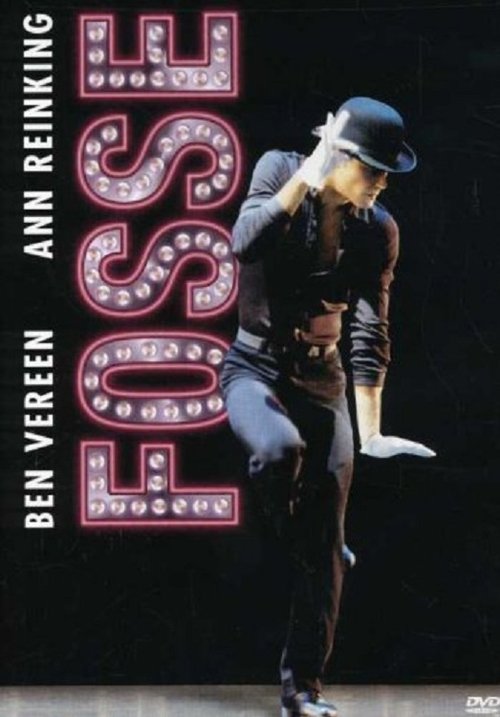
2002
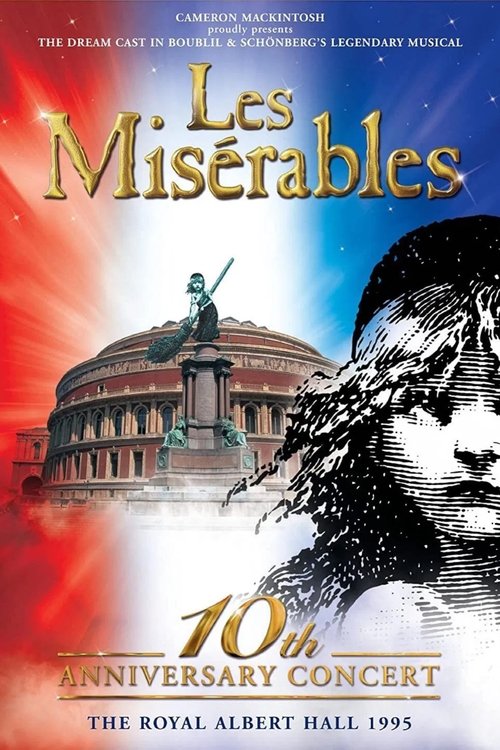
1995

1985
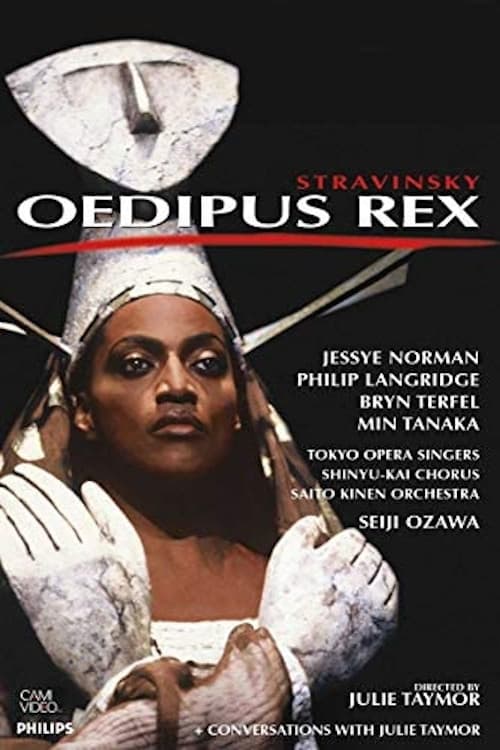
1993
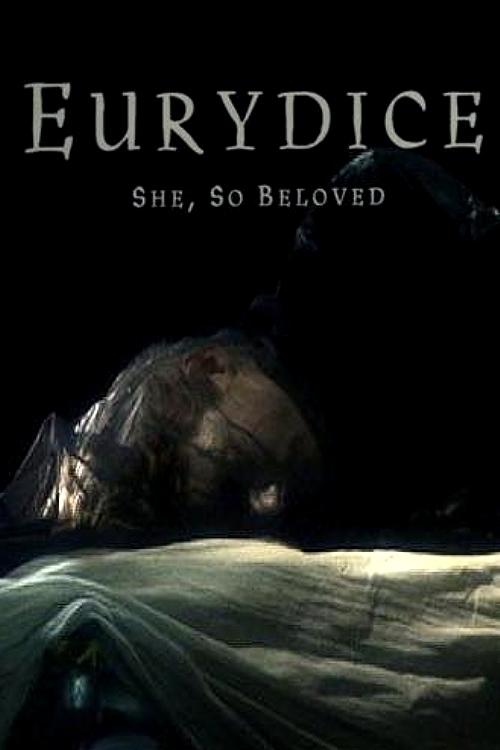
2007
2004
2001
![Movie poster for anyone lived in a pretty [how] town](https://image.tmdb.org/t/p/w500/m6BTukf1PIgUZEFJoKTO2bJii0r.jpg)
1967
No reviews yet. Be the first to share your thoughts on this movie!
Use the rating form above to leave a star rating and optional review.