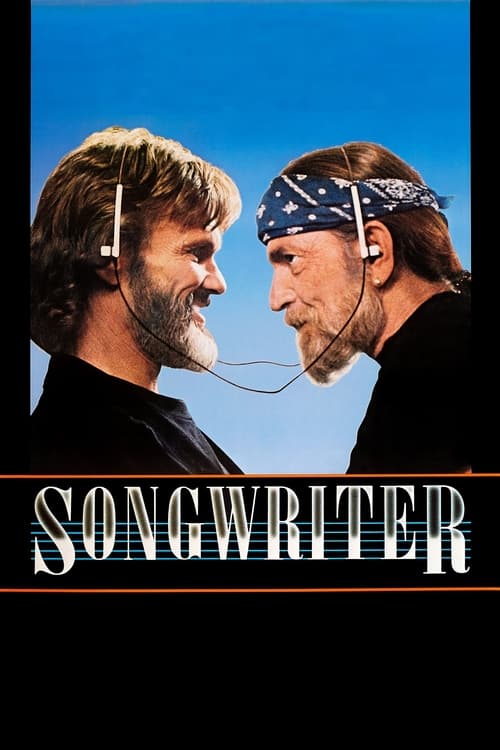
Songwriter
1984
No user ratings available yet
Representation score: 4.4 out of 10
Representation Score
Minimal
1980
PGDirector
Worth Keeter
Runtime
92 minutes
Average Rating
No ratings yetNew Showbiz Analysis
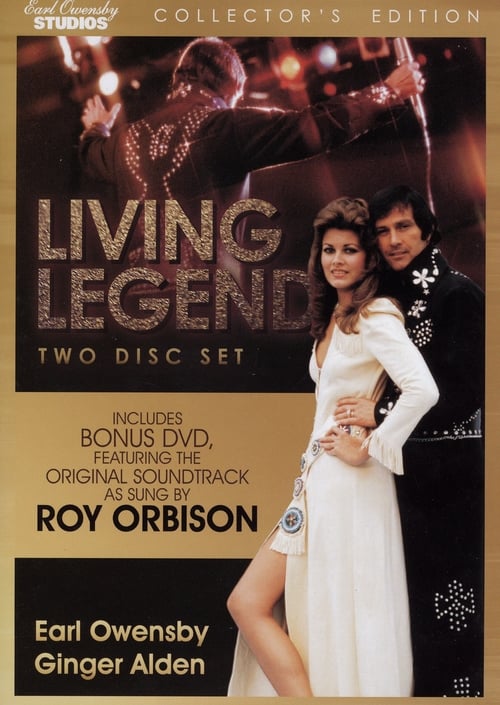
Living Legend: The King of Rock and Roll functions as a traditional musical melodrama. It relies heavily on established genre clichés, focusing on a singular male figure's struggle against the pitfalls of fame and industry manipulation. The film's narrative structure is largely conventional, prioritizing a heterosexual romance and individual moral growth. This approach limits the presence of diverse cultural perspectives. Ultimately, the production reflects the demographic and social norms of its time, offering a narrow view of stardom centered on a specific, homogeneous musical archetype.
Category Breakdown
The film follows a romance between Eli Canfield and Ginger Alden, which is centered around traditional heterosexual relationships. It does not include non-binary identities or challenge conventional romantic ideas.
The story revolves around a male protagonist's journey through superstardom. A female lead exists but primarily serves as a catalyst for the male protagonist's personal growth and realization.
Set within the country rock genre, the film depicts a homogeneous image of stardom, adhering to the conventional demographic norms of its era without diverse casting.
The narrative explores addiction and fame through a lens of Western individualist morality. It presents these conflicts as personal moral struggles rather than critiques of broader social institutions.
The film does not portray any visible or invisible disabilities. The focus remains on psychological struggles related to fame and addiction, rather than specific disability representation.
Present on Screen
Limited or Absent
Official Synopsis
Living Legend, a play on the Presley dynasty, presents the story of Eli Canfield (Earl Owensby), a country rock-legend who has fallen victim to the pitfalls of superstardom - a failed marriage addiction, living up to an image, and an unclear vision as to who are his true friends. When Eli's new love interest (Ginger Alden) meets with the disapproval of his unscrupulous and manipulative manager (William T. Hicks), tragedy results, and Eli realizes what he must do to not only save his new relationship but also his life; and he does so in a most dramatic way. Living Legend features a dynamic original soundtrack performed by the Legendary Roy Orbison.
1984
1978
1981
1979
1973
1989
1988

1988
No reviews yet. Be the first to share your thoughts on this movie!
Use the rating form above to leave a star rating and optional review.