Madame Butterfly
1995
No user ratings available yet
Diversity score: 3.8 out of 10
1987
TV-GDirector
Humphrey Burton
Runtime
143 minutes
Average Rating
No ratings yetSynopsis
Mozart's famous Singspiel after Christoph Friedrich Bretzner's work "Belmonte und Konstanze", DIE ENTFÜHRUNG AUS DEM SERAIL comes to life in the sumptuous setting of Topkapi, the Ottoman sultans' own Istanbul seraglio (palace harem). Belmonte finds his fiancée Konstanze and her English maid Blondchen, who were captured and sold by pirates, in the Mediterranean seraglio of the Ottoman pasha Selim. Belmonte's servant Pedrillo gets him engaged as builder. After Selim tried to enforce himself upon Konstanze, Pedrillo and Blondchen, his own sweetheart, prepare their flight, managing to get Osmin, the pasha's overseer, drunk. Yet Osmin and Selim's guard still capture them, already in the garden; however the touching display of true love melts the pasha's heart, so he lets them go.
Overall Score
Limited
Category Breakdown
LGBTQ+ Representation
The narrative focuses on heteronormative romantic pairings between Belmonte and Konstanze, and Pedrillo and Blondchen. There is no evidence of queer subtext or non-cisnormative identities.
Gender Representation
Female characters like Konstanze and Blondchen show agency through their desire to escape. However, they are framed as captives requiring rescue within a male-centered power dynamic.
Racial & Ethnic Diversity
The Ottoman Istanbul setting provides a non-Western landscape. However, the story uses this setting as an exoticized backdrop for European protagonists, reflecting 18th-century Orientalist tropes.
Religious & Cultural Diversity
The film depicts a clash between Western protagonists and an Ottoman setting. It relies on a classical moral framework where romantic sentiment resolves conflict rather than critiquing systemic structures.
Disability Representation
There is no documented evidence regarding the portrayal of physical or neurodivergent disabilities in this production.
Strengths
Areas for Improvement
AI Analysis
This production serves as a historical preservation of Mozart’s Singspiel, prioritizing musical integrity over modern social deconstruction. It adheres strictly to the 18th-century social hierarchies and romantic tropes established in the original libretto. While the Ottoman setting introduces ethnic diversity, the narrative remains centered on European captives. The power dynamics and character arcs reflect the era's fascination with exoticism rather than a nuanced exploration of Ottoman culture. Ultimately, the work functions as a traditionalist musical performance. It maintains period-specific gender roles and romantic structures, offering little subversion of the historical norms inherent in the source material.
1995
1934
2013
2003
2002
2001
2005
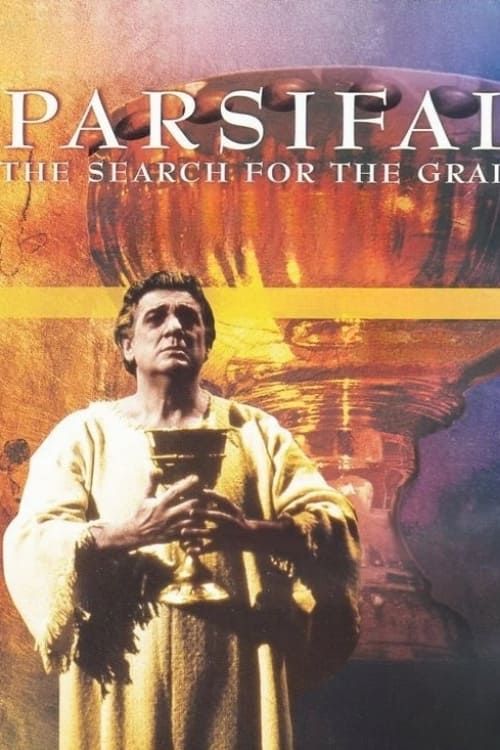
1998
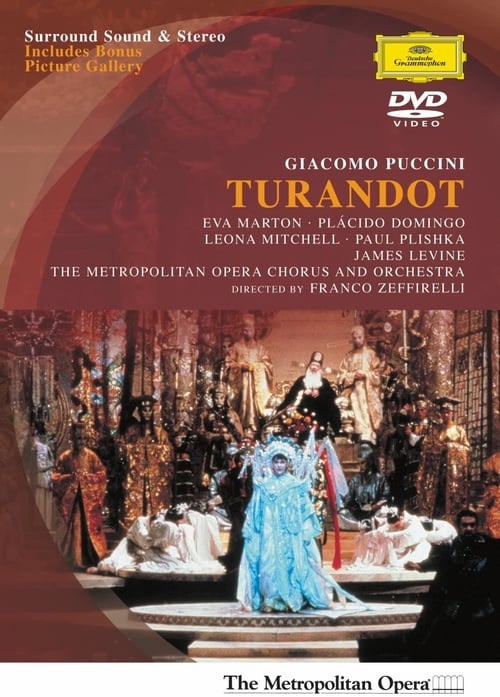
1987
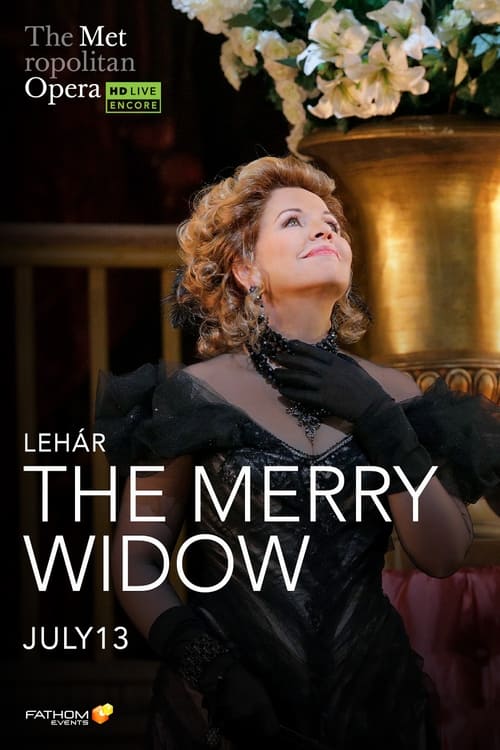
2015
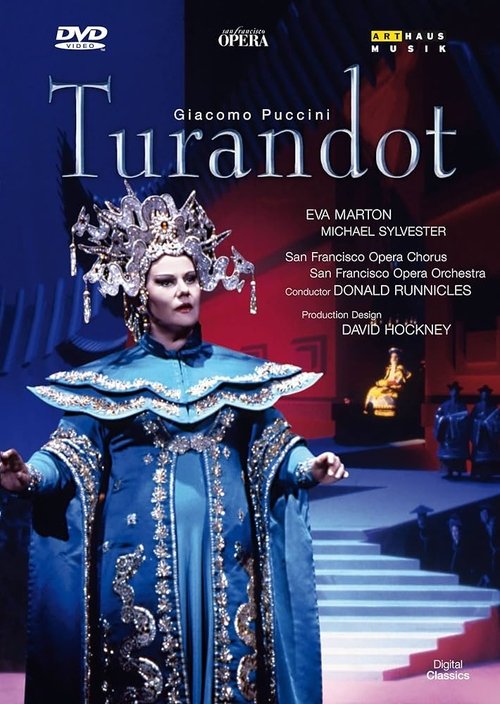
1994

1932
No reviews yet. Be the first to share your thoughts on this movie!
Use the rating form above to leave a star rating and optional review.