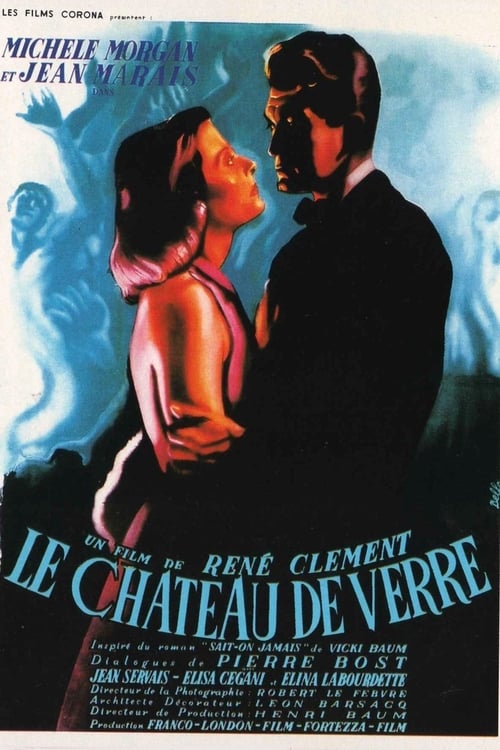
The Glass Castle
1950
No user ratings available yet
Representation score: 2.9 out of 10

Representation Score
Fair
1972
RDirector
Claude Sautet
Runtime
110 minutes
Average Rating
No ratings yetNew Showbiz Analysis
Claude Sautet’s drama is a character-driven study of middle-class life that emphasizes psychological complexity over broad social representation. While it grants the female protagonist a significant role in driving the story and avoids rigid moralism, it remains narrowly focused on a specific cultural context. The film successfully explores the emotional lives of its characters, particularly Rosalie, while avoiding traditional domestic roles. However, it lacks multi-layered depth, with no representation of LGBTQ+ identities, diverse ethnicities, or disabilities. Ultimately, the work offers a nuanced look at bourgeois life but remains within a traditional social framework, focusing on personal connections rather than broader societal issues.
Category Breakdown
The film focuses on a traditional heterosexual relationship between a man and a woman, excluding non-binary and LGBTQ+ identities.
Rosalie plays a significant role in driving the story and making decisions. Male characters are shown with vulnerability and detachment, challenging traditional masculinity.
The cast is primarily from a homogeneous Parisian middle-class background, lacking diverse ethnic representation.
The story operates within a secular, capitalist context, focusing on personal emotions rather than religious or traditional moral standards.
The plot centers on psychological and emotional experiences without depicting physical, sensory, or neurodivergent disabilities.
Present on Screen
Limited or Absent
Official Synopsis
A young woman becomes entangled with a successful businessman, but her ex tries to win her back, provoking intense jealousy that leads her to reconsider her choice. Ultimately, one man's actions force a resolution to her dilemma.
1950

1964

1969
1979
1975
1990
1984
1964
No reviews yet. Be the first to share your thoughts on this movie!
Use the rating form above to leave a star rating and optional review.