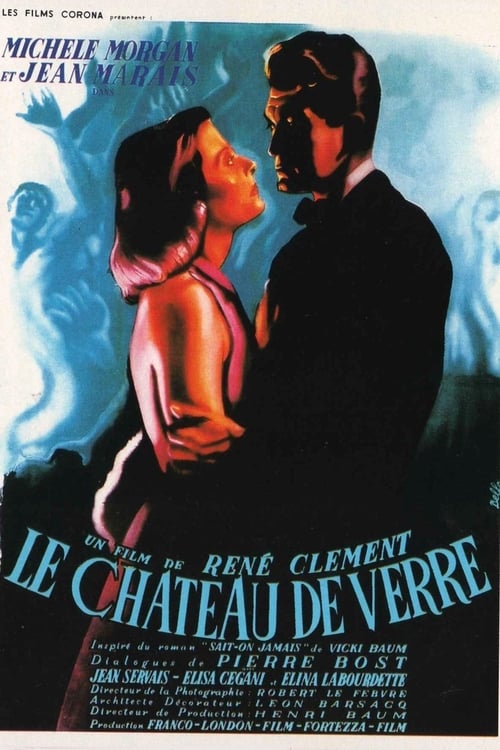
The Glass Castle
1950
No user ratings available yet
Representation score: 2.9 out of 10
Representation Score
Limited
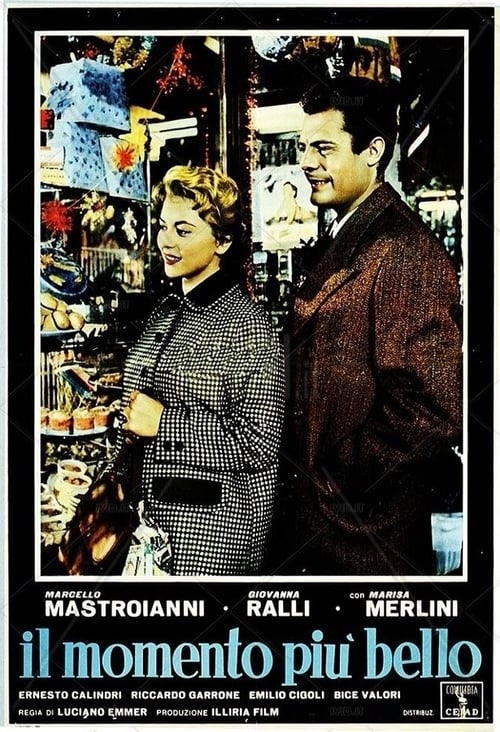
1957
Director
Luciano Emmer
Runtime
92 minutes
Average Rating
No ratings yetNew Showbiz Analysis
Luciano Emmer’s work uses the principles of Italian Neorealism to explore the struggles of the working class. By avoiding polished melodrama, the film offers a grounded look at the pragmatic and difficult decisions forced upon its characters by societal pressures. However, the film is largely confined by the demographic and social structures of its era. It operates more as a study of interpersonal ethics within a traditional framework rather than a work that seeks to diversify those frameworks. The narrative provides meaningful character depth but remains within conventional romantic and social boundaries, offering little representation outside of the mid-century European status quo.
Category Breakdown
The film focuses on a heterosexual relationship. There are no LGBTQ+ characters or challenges to the assumption that everyone is straight or cisgender.
The story centers on a woman dealing with an unplanned pregnancy and its social consequences. She plays a significant role in driving the story, but the power dynamic is still tied to traditional patriarchal concerns.
Reflecting the demographic homogeneity of 1950s Italian cinema, the film lacks evidence of non-white or diverse casting. The narrative is set strictly within a mid-century European social context.
The film explores the tension between personal desires and rigid mid-century social institutions. It moves away from idealized moralities to examine the personal costs of navigating situational ethics.
No specific details regarding characters with physical, sensory, or neurodivergent disabilities are present in this work.
Present on Screen
Limited or Absent
Official Synopsis
Pietro is in love with a nurse; they keep their affair secret until she falls pregnant. Worried that marriage will affect his career, she prepares for the upcoming childbirth
1950
1938
2011

1951
1969

1975
1969
1935
No reviews yet. Be the first to share your thoughts on this movie!
Use the rating form above to leave a star rating and optional review.