
The Black Orchid
1959
No user ratings available yet
Representation score: 1.4 out of 10
Representation Score
Minimal
1958
NRDirector
Philip Dunne
Runtime
102 minutes
Average Rating
No ratings yetNew Showbiz Analysis
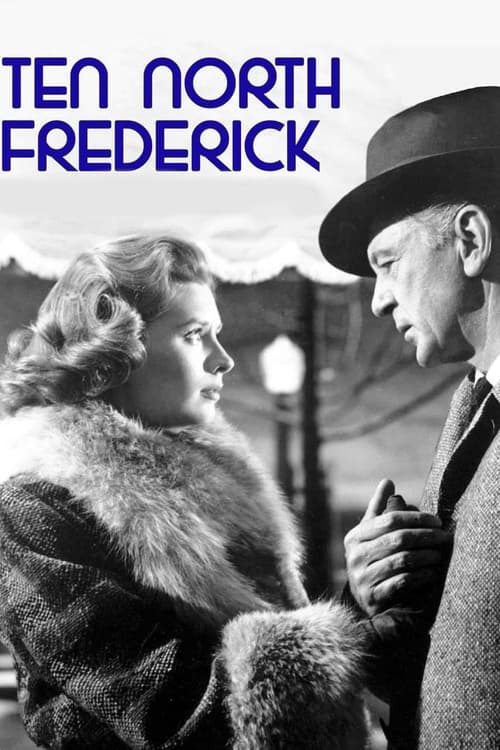
Ten North Frederick is a quintessential mid-century domestic drama that adheres to the social and narrative conventions of its time. The film serves as a character study of a man's life, framed by his daughter's reflections on his perceived failures and hidden happiness. While the film aims to explore the complexities of a dissatisfied marriage, it does so within a narrow demographic and social context. The narrative reinforces existing hierarchies rather than challenging them, focusing on the private moral struggles of a wealthy, white social class. Ultimately, the film lacks the depth and diverse representation needed to transcend the traditionalist perspectives of 1958. It remains a product of its time, prioritizing conventional melodrama over broader social or systemic exploration.
Category Breakdown
The film stays within the social norms of the 1950s, focusing on heterosexual relationships and marital issues. It does not include any LGBTQ+ narratives or characters with non-conforming gender identities.
The story delves into the psychological tensions within a marriage but upholds traditional gender roles. Female characters are primarily defined by their relationships to the main male figure and his personal shortcomings.
The cast and setting are uniform, reflecting the cinematic standards of 1958. It portrays a wealthy, white-dominated social circle without incorporating diverse racial or ethnic viewpoints.
As a classic melodrama, the film centers on individual morality and family dynamics. It avoids critiquing institutions, focusing instead on the private moral dilemmas faced by the upper-class families.
There is no depiction of physical, sensory, or neurodivergent disabilities. Characters are portrayed through a lens of psychological melodrama without addressing the experiences of disabled individuals.
Present on Screen
Limited or Absent
Official Synopsis
After her father's funeral, Ann Chapin thinks back over the last five years of his life, years of apparent political and personal failure dominated by a selfish and dissatisfied wife, eased only by alcohol. But it starts to emerge that he had in fact one brief and unsuspected period of happiness and love.
1959
1958
1960

1958
1970
1962
1950
1954
No reviews yet. Be the first to share your thoughts on this movie!
Use the rating form above to leave a star rating and optional review.