
A Gentle Woman
1969
No user ratings available yet
Diversity score: 4.1 out of 10
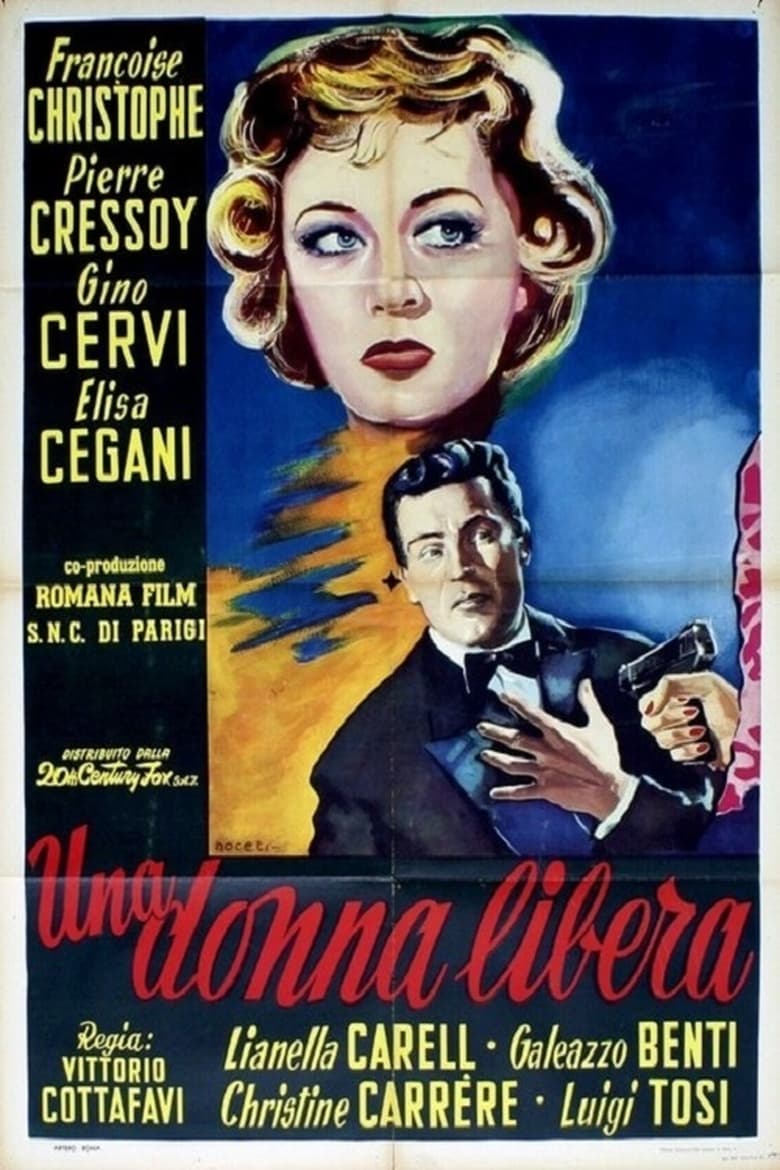
1954
Director
Vittorio Cottafavi
Runtime
89 minutes
Average Rating
No ratings yetSynopsis
Liana, an architecture graduate, is about to get married until she is confronted with the fact she is sacrificing the rest of her life for a man she barely knows. So begins a series of romantic encounters in which Liana tries to find her freedom and happiness, but which will ultimately lead her to a tragic fate.
Overall Score
Limited
Category Breakdown
LGBTQ+ Representation
The film focuses on heteronormative romantic encounters. There is no evidence of non-cisnormative identities or same-sex intimacy within the narrative.
Gender Representation
Liana provides a strong sense of agency as an architecture graduate. Her refusal to accept a predetermined marriage challenges the traditional domestic hierarchies of the 1950s.
Racial & Ethnic Diversity
The cast appears homogeneous, reflecting the typical domestic drama standards of 1954 Italian cinema. No significant ethnic diversity is present in the character arcs.
Religious & Cultural Diversity
The story critiques marriage as a potential sacrifice of individual happiness. However, the tragic conclusion suggests a lingering adherence to mid-century moralistic melodrama.
Disability Representation
No visible or invisible disabilities are identified within the primary character descriptions or the provided synopsis.
Strengths
Areas for Improvement
AI Analysis
A Free Woman stands as a mid-century drama that prioritizes individual subjectivity over communal obligation. While it remains tethered to the era's traditional ethnic and heteronormative structures, it offers a progressive look at female autonomy through its protagonist. Liana’s professional background and her active negotiation of personal freedom provide a meaningful departure from the passive female roles common in 1950s cinema. The film's strength lies in this tension between personal agency and societal pressure. Ultimately, the film's impact is tempered by its adherence to the tragic tropes of its time. It captures a transitional moment in European cinema where individual desire begins to clash with rigid social institutions.
1969
1957
1979

1962
1950
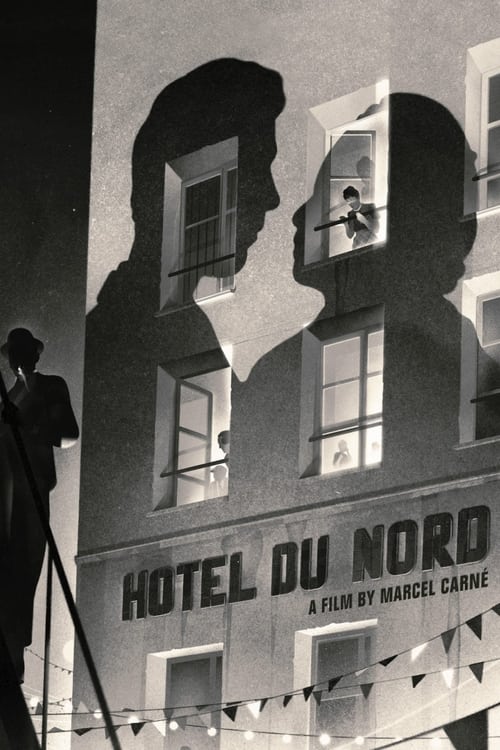
1938
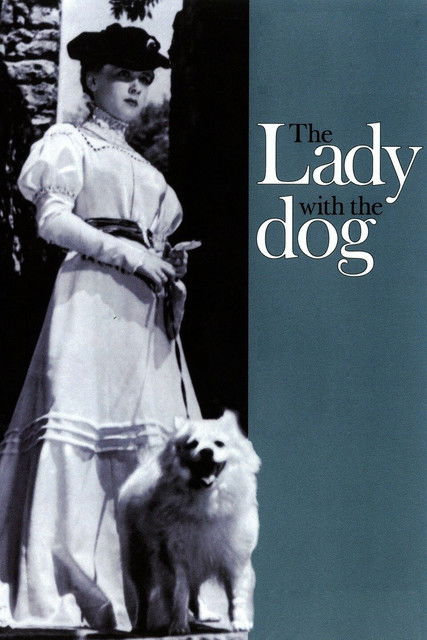
1960

1956
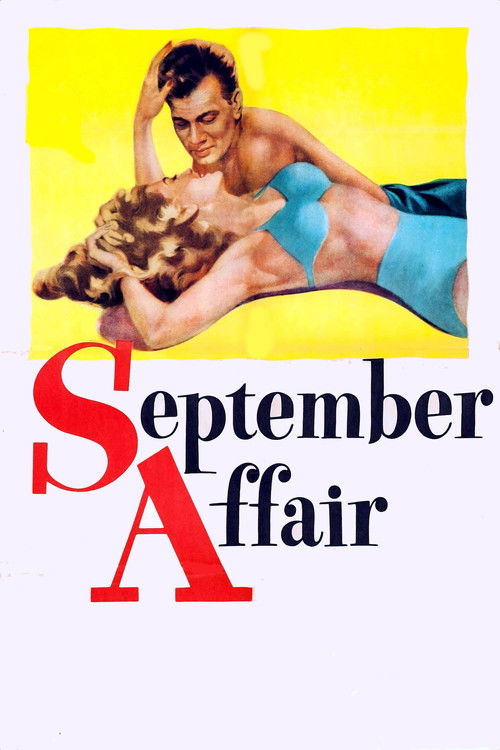
1950
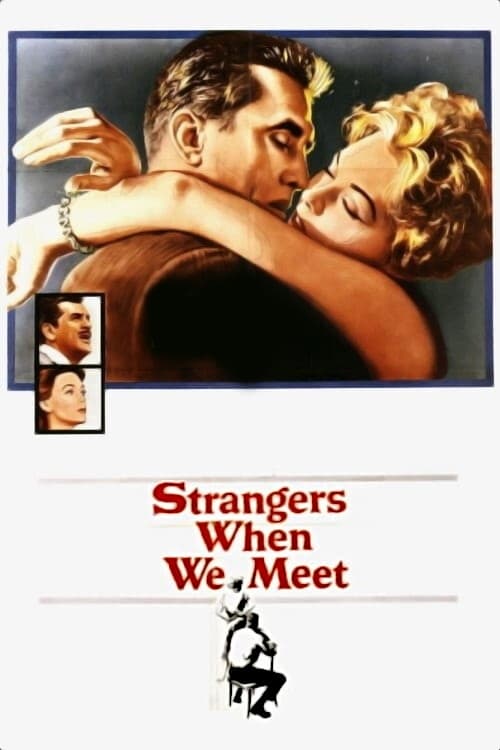
1960
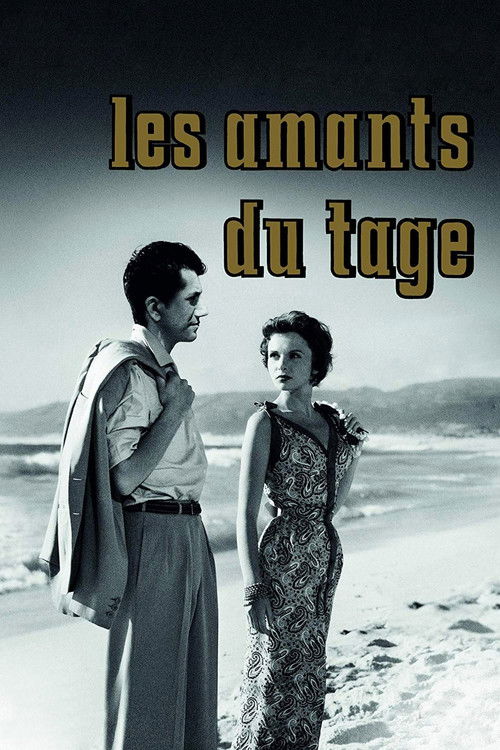
1955

1955
No reviews yet. Be the first to share your thoughts on this movie!
Use the rating form above to leave a star rating and optional review.