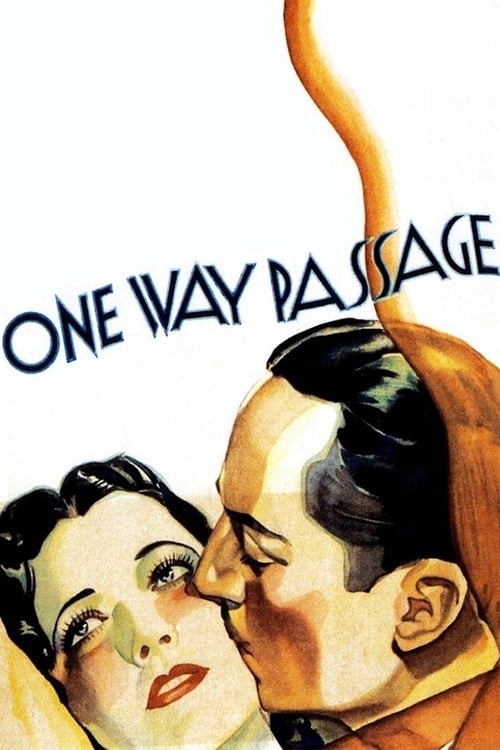
One Way Passage
1932
No user ratings available yet
Representation score: 3.5 out of 10
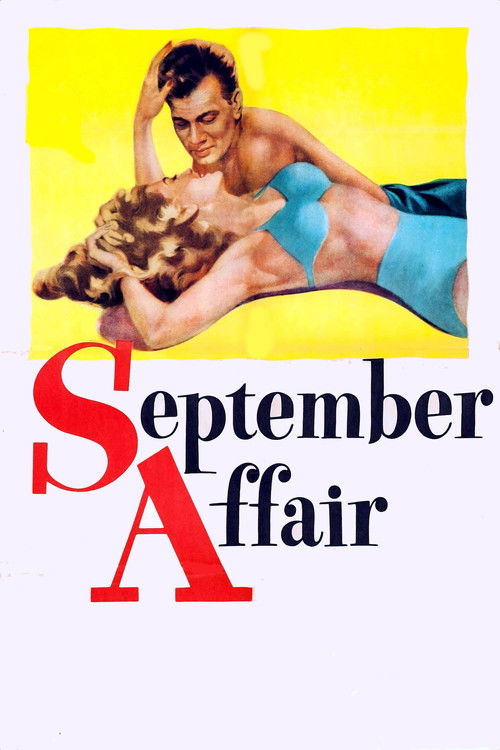
Representation Score
Minimal
1950
NRDirector
William Dieterle
Runtime
104 minutes
Average Rating
No ratings yetNew Showbiz Analysis
September Affair is a mid-century melodrama that adheres to the social norms of 1950s Hollywood. While it highlights female autonomy and internal conflict, it remains rooted in the era's established hierarchies. The film's primary strength lies in its exploration of female empowerment, yet it lacks racial diversity and any representation of LGBTQ+ identities. It focuses on personal moral crises without addressing broader social issues.
Category Breakdown
The film does not depict any non-straight relationships or same-sex intimacy. The romantic tension revolves around a heterosexual affair outside of marriage.
The story centers on the protagonist's emotional desires, offering a nuanced portrayal of female empowerment. While it challenges passive femininity, it does not fully break away from traditional gender roles.
The cast and setting are primarily white, reflecting an upper-middle-class post-WWII New York. The film presents a socially homogeneous environment with little racial or ethnic diversity.
The film examines the breakdown of marriage through personal emotional consequences rather than systemic issues. It frames infidelity as a personal moral dilemma rather than a broader societal critique.
There are no prominent depictions of physical or neurological disabilities that significantly impact the narrative.
Present on Screen
Limited or Absent
Official Synopsis
An industrialist and a pianist meet on a trip and fall in love. Through a quirk of fate, they are reported dead in a crash though they weren't on the plane. This gives them the opportunity to live together free from their previous lives. Unfortunately, this artificial arrangement leads to greater and greater stress. Eventually the situation collapses when they come to pursue their original, individual interests without choosing a common path.
1932

1938
1945
1939
1940
1941
1934
1951
No reviews yet. Be the first to share your thoughts on this movie!
Use the rating form above to leave a star rating and optional review.