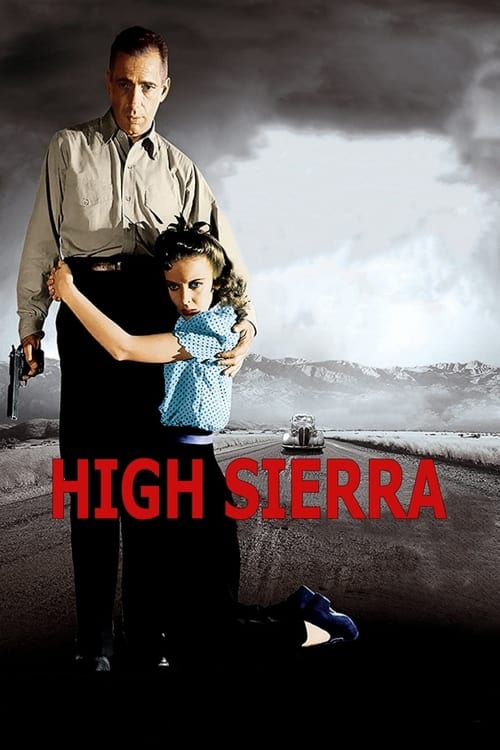
High Sierra
1941
No user ratings available yet
Representation score: 1.7 out of 10
Representation Score
Minimal
1949
ApprovedDirector
Raoul Walsh
Runtime
94 minutes
Average Rating
No ratings yetNew Showbiz Analysis
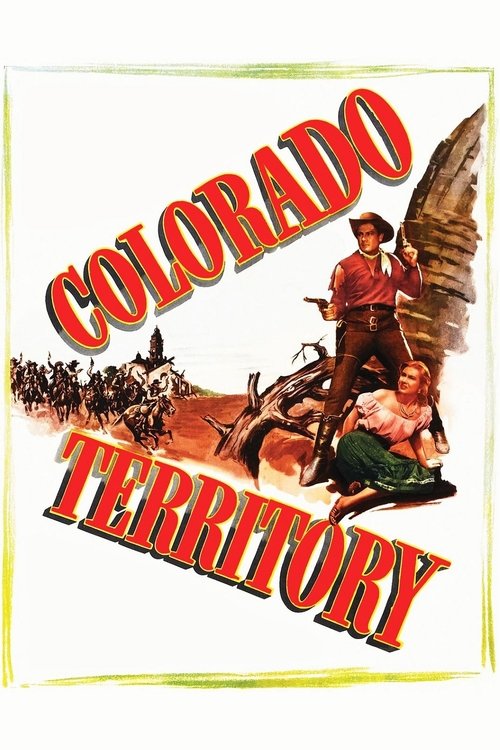
Colorado Territory is a classic mid-century Western that follows the genre's conventional narrative structure. It emphasizes male-centric conflict and traditional themes of frontier justice, adhering to the linear progression of crime and punishment. The film reflects the demographic and cultural norms of its time, focusing on a homogenous cast and reinforcing traditional gender roles where authority is largely held by male characters. Overall, the movie does not seek to challenge societal norms or introduce diverse perspectives, instead functioning as a straightforward example of the era's standardized Western genre.
Category Breakdown
The film does not include any LGBTQ+ characters or narratives, maintaining a focus on heterosexual relationships.
The story centers around male characters in leadership roles, while females play supporting roles without much influence over the plot.
The cast is overwhelmingly white, with no representation of diverse ethnic groups in key roles.
The film explores themes of lawlessness and survival through typical Western genre elements, without challenging institutional morality.
The film does not feature any characters with physical, sensory, or neurodivergent disabilities.
Present on Screen
Limited or Absent
Official Synopsis
After escaping from jail, outlaw Wes McQueen is convinced by his old partner in crime to do one last heist.
1941

1939
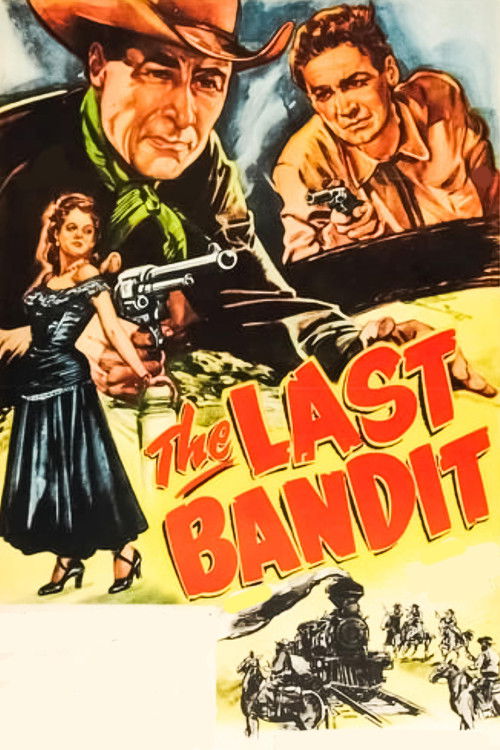
1949
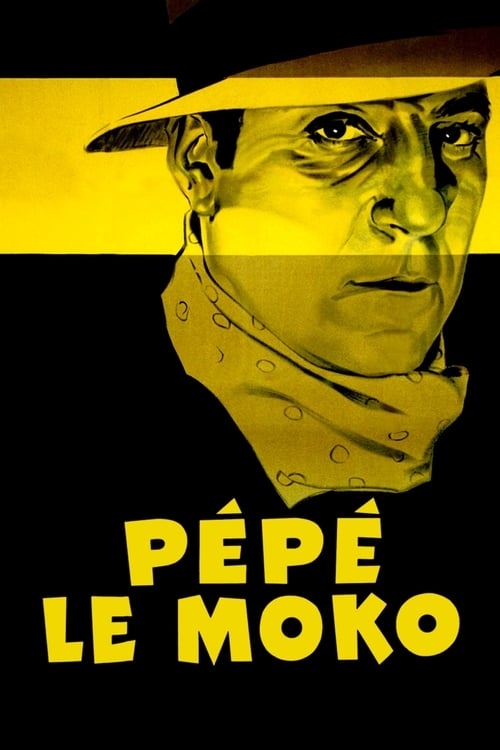
1937
1947
1948
1953
1958
No reviews yet. Be the first to share your thoughts on this movie!
Use the rating form above to leave a star rating and optional review.