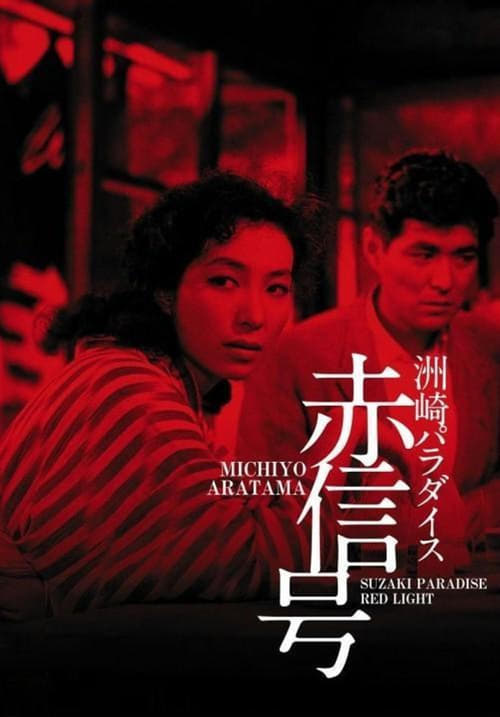
Suzaki Paradise: Red Light District
1956
No user ratings available yet
Representation score: 5.2 out of 10
Representation Score
Fair
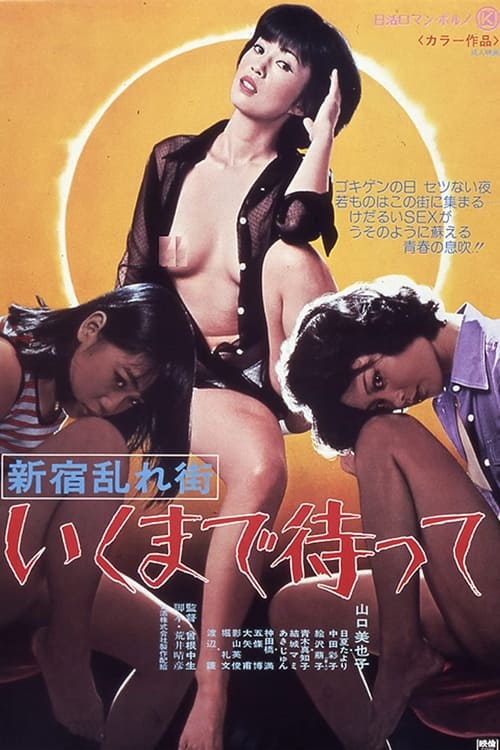
1977
Director
Chūsei Sone
Runtime
82 minutes
Average Rating
No ratings yetNew Showbiz Analysis
Chūsei Sone’s drama centers on the existential journey of young, artistic individuals living on the urban periphery. By emphasizing personal ability to act and subjective morality, the film challenges conventional social hierarchies. While it does not explicitly address multi-layered themes found in contemporary cinema, it portrays a bohemian lifestyle that defies traditional social norms. The focus remains on personal identity and interpersonal relationships within a gritty urban environment. Ultimately, the film offers a realistic look at life aspirations in 1970s Japan, prioritizing individualistic expression despite the demographic homogeneity of the era.
Category Breakdown
The film includes a young couple whose specific sexual orientations are not clearly stated, allowing room for interpreting their relationship in the context of unconventional intimacy common in 1970s Japanese cinema.
The protagonists’ artistic inclinations and personal goals suggest a move away from traditional gender roles. The narrative emphasizes individual control over the societal expectations of the time.
Set in Shinjuku, the film likely mirrors the homogeneous demographics of the period. There is no indication of significant ethnic diversity or varied casting.
The story focuses on personal freedom and existentialism rather than traditional family or state structures. The Shinjuku setting highlights individual liberation rather than institutional stability.
The narrative does not feature any characters with visible or invisible disabilities.
Present on Screen
Limited or Absent
Official Synopsis
A young couple with artistic tendencies spends their time around a bar in central Shinjuku, trying to figure out their relationship and life aspirations.
1956
1970
1974
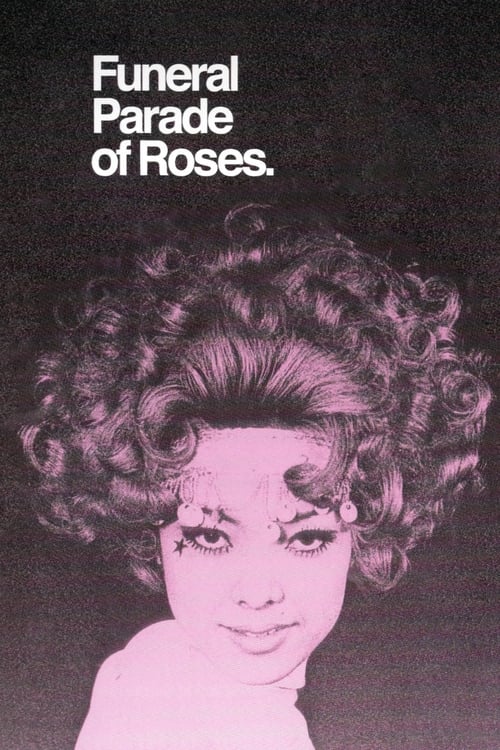
1969

2011
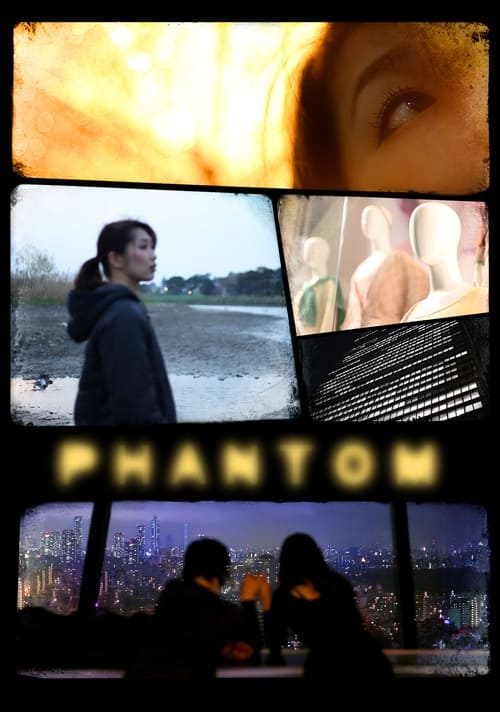
2013
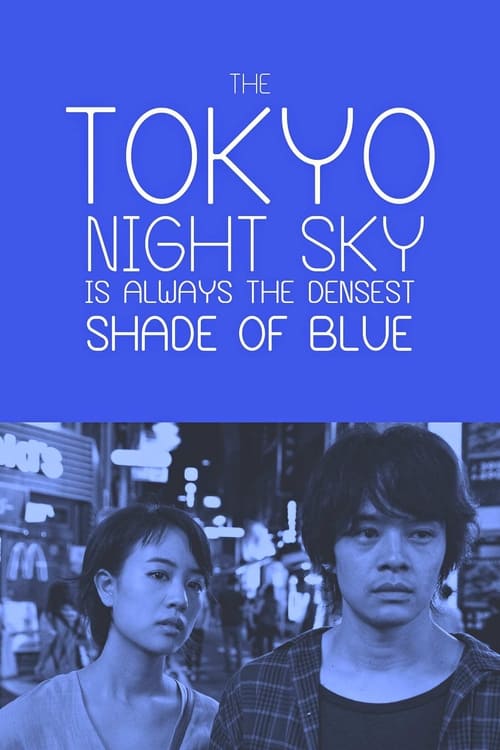
2017
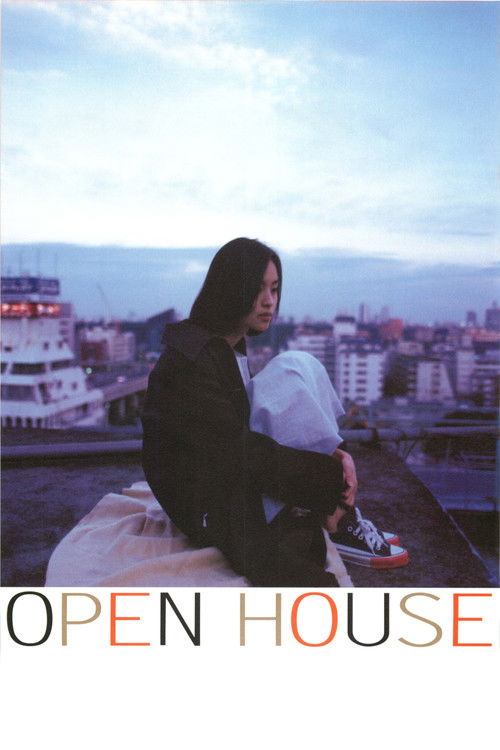
1998
No reviews yet. Be the first to share your thoughts on this movie!
Use the rating form above to leave a star rating and optional review.