
The Egoists
2011
No user ratings available yet
Representation score: 4.9 out of 10
Representation Score
Fair
1998
Director
Isao Yukisada
Runtime
116 minutes
Average Rating
No ratings yetNew Showbiz Analysis
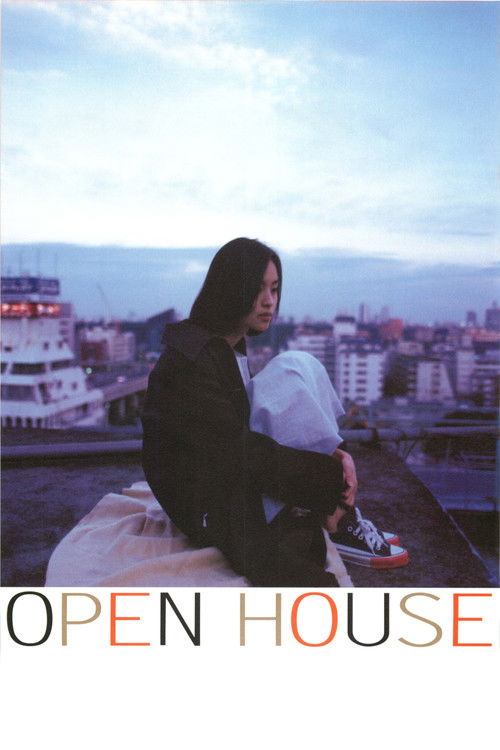
Open House serves as a character study of urban alienation in late-90s Tokyo. It prioritizes the psychological realities of individuals living on the periphery of social stability rather than relying on broad, idealized archetypes. The film's strength lies in its departure from traditional melodrama. By focusing on the fragility of modern identity and the breakdown of social structures, it provides a nuanced look at those navigating the cracks in the social fabric. However, the work lacks overt markers reflecting multiple aspects of identity. The narrative appears culturally homogeneous and provides no specific data regarding LGBTQ+ identities or disability representation.
Category Breakdown
The film focuses on a romance between a model and a divorcee. There is no clear indication of queer narratives or criticism of the assumption that everyone is straight or cisgender.
The story centers on women navigating economic and emotional instability. It avoids idealized domesticity by focusing on characters dealing with the consequences of broken social contracts.
Set in Tokyo, the film likely reflects a homogeneous demographic. There is no evidence of significant ethnic blending or casting actors whose backgrounds differ from the role's traditional expectation.
The story critiques hyper-modern, capitalist urban environments through themes of loneliness. It offers a somber, anti-materialist perspective on the promises of modern prosperity.
The available information contains no mention of characters navigating physical, neurodivergent, or mental health disabilities.
Present on Screen
Limited or Absent
Official Synopsis
A struggling model and a troubled divorcee face loneliness and desperation in Tokyo.
2011

2009

2021

2014

2002
1997

2008

1994
No reviews yet. Be the first to share your thoughts on this movie!
Use the rating form above to leave a star rating and optional review.