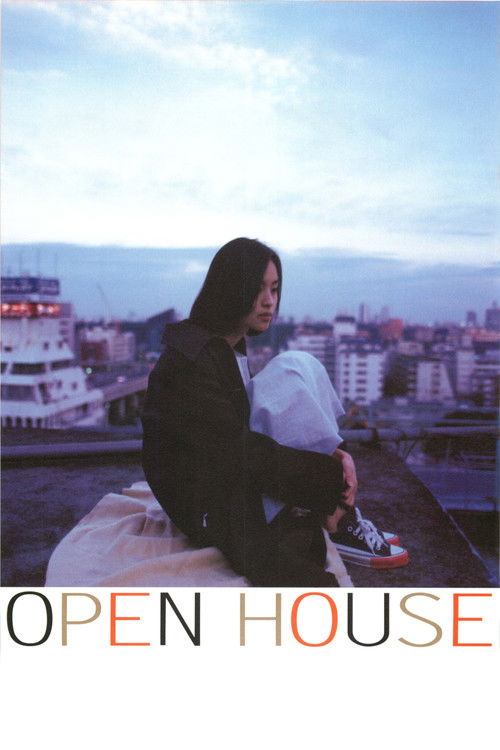
Open House
1998
No user ratings available yet
Representation score: 4.5 out of 10

Representation Score
Fair
2011
Director
Ryuichi Hiroki
Runtime
136 minutes
Average Rating
No ratings yetNew Showbiz Analysis
The Egoists examines social alienation with a focus on psychological realism rather than broad demographic representation. It challenges traditional social hierarchies by highlighting characters living volatile, unstable lives. While the film lacks diverse racial and LGBTQ+ representation, it provides a nuanced critique of societal pressures. It replaces idealized family clichés with a gritty look at characters outside conventional social structures. Ultimately, the film's diversity lies in its thematic disruption of moral and social norms rather than its varied casting.
Category Breakdown
The film focuses on a heterosexual relationship between Kazu and Machiko. It explores unconventional lifestyles but does not explicitly depict LGBTQ+ identities or give them significant roles.
Machiko challenges traditional femininity through her work as a pole dancer. The male lead's unpredictable behavior disrupts the typical 'stable provider' role, creating a complex power dynamic.
Set in Kabukicho, Tokyo, the film features a predominantly Japanese cast. It does not significantly blend different racial backgrounds.
The story emphasizes gritty realism and focuses on characters on the fringes of mainstream society, avoiding traditional religious frameworks.
The film does not include visible or invisible disabilities, neurodivergence, or chronic illnesses.
Present on Screen
Limited or Absent
Official Synopsis
Kazu attacks a bar in Kabukicho, a Tokyo red-light district, and flees to his hometown with abducts Machiko, a pole dancer he's been stuck on. They begin living together, but their happiness is short lived as their pasts torment them both.
1998
2009

2003
1951

2001

2016

2021
2014
No reviews yet. Be the first to share your thoughts on this movie!
Use the rating form above to leave a star rating and optional review.