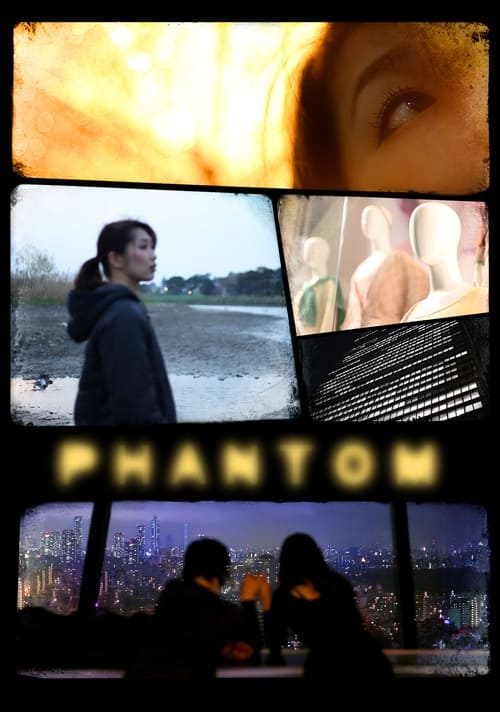
Phantom
2013
No user ratings available yet
Representation score: 5.6 out of 10
Representation Score
Good
2017
Director
Yuya Ishii
Runtime
108 minutes
Average Rating
No ratings yetNew Showbiz Analysis
Yuya Ishii’s drama succeeds as a sophisticated character study that disrupts traditional social and gender norms. By focusing on emotional vulnerability and moral relativism, the film offers a nuanced look at individual existence within an indifferent metropolis. However, the film's demographic scope is narrow. The homogeneity of the cast and the lack of diverse physical or neurodivergent identities prevent a more inclusive representation of urban life. Ultimately, the work trades broad demographic breadth for deep, existential exploration, favoring postmodern character development over traditional social cohesion.
Category Breakdown
The film explores a profound, non-straight relationship between its protagonists. It avoids explicit sexualization, instead using quiet vulnerability to suggest a queer connection that exists outside conventional romantic binaries.
The narrative challenges traditional masculine stoicism by portraying men who are aimless and emotionally exposed. However, the cast remains largely male-dominated, which limits the exploration of broader gender issues.
The cast is relatively homogeneous, reflecting the specific urban setting of Tokyo. There is no significant evidence of racial blending or non-Japanese identities within the primary narrative arc.
The film excels in portraying moral relativism and subjective truths. It prioritizes existentialism and secular humanism over religious frameworks, critiquing rigid social expectations through a slice-of-life lens.
Shinji’s blindness in one eye is treated as a natural component of his lived experience rather than a plot device. The score is limited by a lack of neurodivergent representation.
Present on Screen
Limited or Absent
Official Synopsis
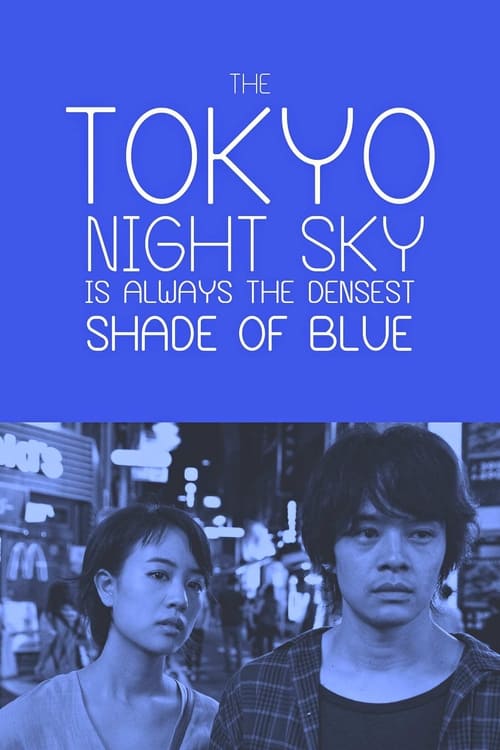
Mika works as a nurse by day; by night she entertains covetous men at a girls' bar. Shinji is blind in one eye and ekes out a living as a construction worker. Young and grown-up at the same time, they both lead a lonely existence, but somehow their paths keep miraculously crossing under the Tokyo sky.
2013

1995
2005

2023

2017
2014

2014
2014
No reviews yet. Be the first to share your thoughts on this movie!
Use the rating form above to leave a star rating and optional review.