
Before It Ends
2023
No user ratings available yet
Representation score: 5.3 out of 10
Representation Score
Fair
2022
Director
Giedrius Tamoševičius, Vytautas V. Landsbergis
Runtime
112 minutes
Average Rating
No ratings yetNew Showbiz Analysis
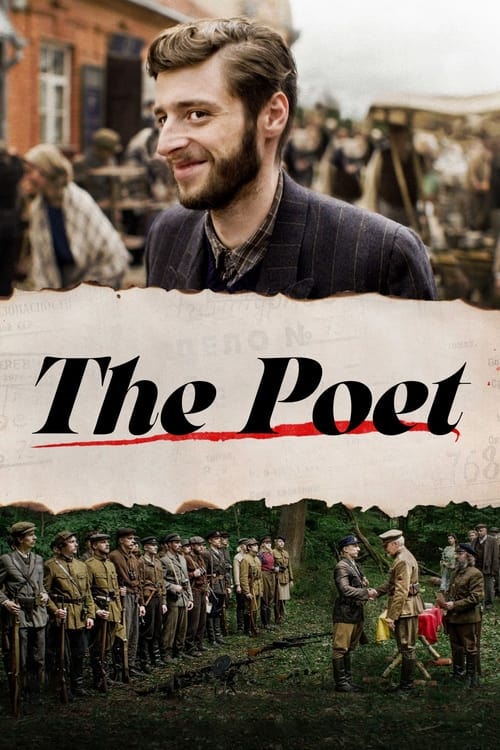
The Poet is a historical drama that excels in its thematic critique of systemic oppression. By focusing on a poet's resistance against Soviet authority, the film offers a compelling look at cultural and political defiance. However, the film lacks depth in representing LGBTQ+ identities and diverse gender roles. While it effectively portrays ethnic resistance against an external occupying force, it remains largely homogeneous, reflecting the specific regional context of 1947 Lithuania without broader social diversity.
Category Breakdown
The film does not include any explicitly LGBTQ+ characters or non-cisgender identities. It focuses on the post-war Soviet sociopolitical tensions rather than queer themes.
The story revolves around a male poet and his interactions with a village school and a resistance platoon. It lacks women's ability to drive the story and does not challenge traditional gender roles.
Set in 1947 Lithuania, the film highlights the ethnic homogeneity of the region. It portrays the struggle as an ethnic resistance against a Soviet occupying force.
The film effectively critiques state-sanctioned morality and centralized power. It emphasizes the protagonist's subjective morality and his involvement in an underground resistance movement.
There is no information about characters with physical, sensory, or neurodivergent disabilities. Therefore, there is no representation of such characters in the narrative.
Present on Screen
Limited or Absent
Official Synopsis
A newly appointed teacher arrives at a remote village school in 1947. The famous journalist and distinguished poet was downgraded for illegal publications and forbidden anti-Soviet verses. Suspicious locals still prefer to test his loyalties, while children wilingly recite his verses from 'To My Soviet Motherland', written under pressure to prase Uncle Lenin. Eventually, an unforgotten friend shows him a secret wintery path to the Dainava resistance platoon's underground bunker.
2023
1972

2012
2014

2019
2018
2008
2019
No reviews yet. Be the first to share your thoughts on this movie!
Use the rating form above to leave a star rating and optional review.