Venice
2010
No user ratings available yet
Representation score: 3.5 out of 10
Representation Score
Fair
2018
Director
Marius Markevicius
Runtime
99 minutes
Average Rating
No ratings yetNew Showbiz Analysis
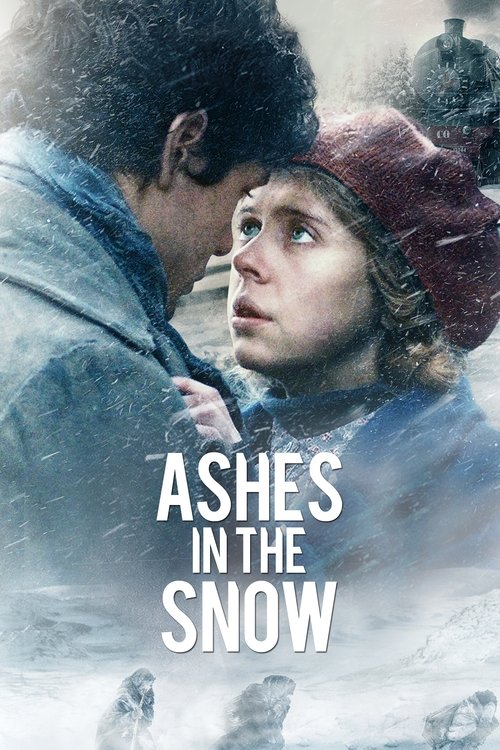
Ashes in the Snow is a period drama that prioritizes historical authenticity over modern identity politics. It avoids contemporary markers like LGBTQ+ representation or diverse racial casting, focusing instead on the specificities of the 1940s Soviet occupation. The film finds its strength in its refusal to adopt a Western-centric view of WWII. By centering on the Baltic experience and the quiet resistance of a young female artist, it offers a necessary critique of authoritarian power and systemic displacement. Ultimately, the work functions as a study of survival. While it lacks modern diversity benchmarks, it provides value by documenting the human cost of geopolitical shifts through a non-Western perspective.
Category Breakdown
The film follows a strict 1940s historical setting. There are no LGBTQ+ narratives or non-straight relationships in the story.
Lina Vilkas provides a central female perspective on wartime deportation. However, her role remains largely reactive to the external pressures of Stalinist repression.
The cast focuses on Baltic and Eastern European identities. It avoids a Western-centric lens by highlighting the specific suffering of these regional populations.
The narrative centers on the trauma of Soviet occupation in the Baltic states. It portrays the state as an oppressive force destructive to the family unit.
Representation is limited to the physical and psychological trauma of war. These hardships are treated as historical consequences rather than intentional explorations of disability.
Present on Screen
Limited or Absent
Official Synopsis
The coming-of-age tale of 16-year-old Lina Vilkas who is deported to Siberia amid Stalin's reign of terror in the Baltic region during WWII. An aspiring artist, she secretly documents her harrowing journey with her drawings.
2010

2018

2013
2019

2022

2021

2018

2015
No reviews yet. Be the first to share your thoughts on this movie!
Use the rating form above to leave a star rating and optional review.