King Petar the First
2018
No user ratings available yet
Representation score: 1.8 out of 10
Representation Score
Fair
2019
Not RatedDirector
Dzintars Dreibergs
Runtime
124 minutes
Average Rating
No ratings yetNew Showbiz Analysis
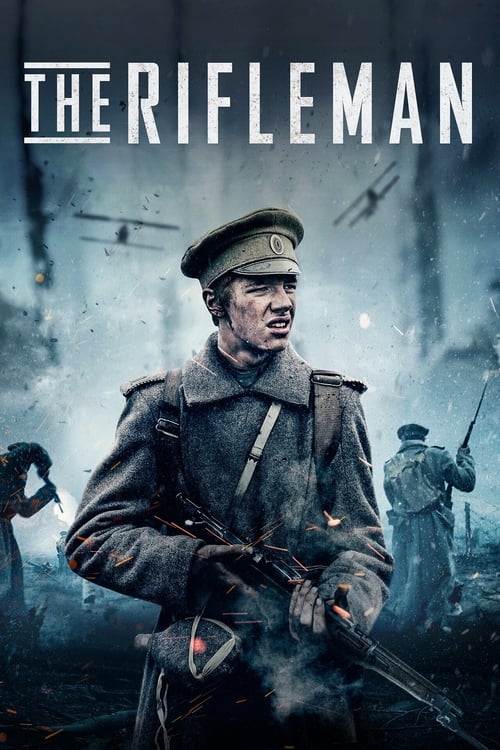
The Rifleman is a character-driven historical drama that prioritizes humanistic perspectives over nationalistic myths. It succeeds by deconstructing the traditional 'heroic soldier' archetype, replacing it with a study of isolation and systemic trauma. While the film lacks representation of LGBTQ+ identities or disabilities, it provides a nuanced look at ethnic identity and national ability to act within an imperial structure. It effectively uses the protagonist's struggle to critique the impact of imperialist power structures on smaller nations. Ultimately, the film's strength lies in its subversion of wartime archetypes, shifting the focus from state glory to the lived experience of the individual.
Category Breakdown
The story follows a traditional heterosexual relationship for the main character. There is no indication of LGBTQ+ identities or non-binary gender roles in the narrative.
The film focuses on male experiences during war and loss. It challenges typical heroic masculinity by highlighting vulnerability and trauma instead of military prowess.
The narrative explores Latvian identity within the Russian Empire. It centers on the perspective of a smaller nation being used as a pawn by larger imperial powers.
The film critiques imperial institutions and the machinery of war. It emphasizes individual ability to act over state-sanctioned patriotism and collective nationalism.
There is no information available regarding the portrayal of physical or neurodivergent disabilities in this work.
Present on Screen
Limited or Absent
Official Synopsis
The love story of sixteen-year-old Arturs is interrupted by the First World War. After losing his mother and his home, he finds some consolation in joining the army, because this is the first time national battalions are allowed in the Russian Empire. But war is nothing like Arturs imagined – no glory, no fairness. It is brutal and painful. Arturs is now completely alone as war takes the lives of his father and brother. Also, no progress is made in the promised quick resolution of the war and timely return home. Within the notion that only he alone cares about returning home and that his homeland is just a playground for other nations, Arturs finds strength for the final battle and eventually returns home to start everything from scratch, just like his newly born country.
2018
1959

2020
2010
2024
2018
2020

2015
No reviews yet. Be the first to share your thoughts on this movie!
Use the rating form above to leave a star rating and optional review.