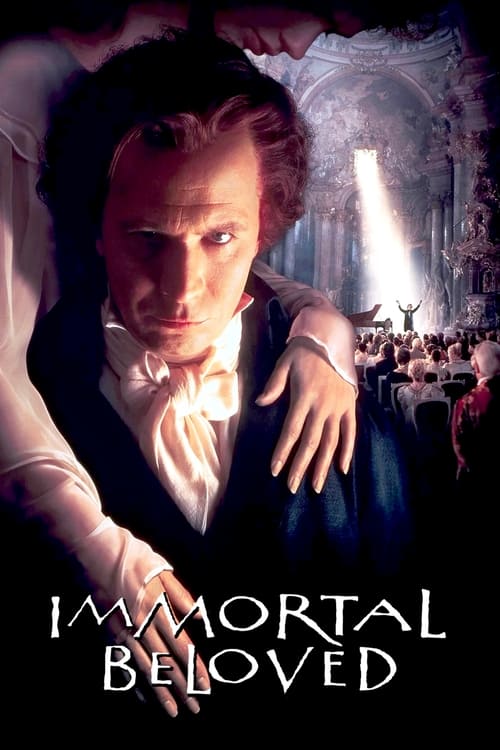
Immortal Beloved
1994
No user ratings available yet
Representation score: 2.2 out of 10

Representation Score
Fair
2006
PG-13Director
Agnieszka Holland
Runtime
104 minutes
Average Rating
No ratings yetNew Showbiz Analysis
Agnieszka Holland’s character study stands out by challenging the traditional 'great man' biography format. By presenting Anna Holtz as a key intellectual partner, the film questions gendered hierarchies and empowers women within a historically restrictive environment. The film offers a sophisticated look at disability, showing Beethoven’s deafness as a deeply personal experience rather than a mere plot device. This approach avoids common clichés and focuses on how his condition influences his interactions with the world. However, the film’s historical context limits its diversity. It lacks representation of various races, ethnicities, and LGBTQ+ identities, maintaining a narrow focus on a homogeneous European setting.
Category Breakdown
The film does not include any LGBTQ+ characters or non-straight relationships. The story centers around personal connections within the social norms of 19th-century Vienna.
Anna Holtz is shown as an intellectual equal rather than a passive figure. Her musical skills allow her to compete with and even correct the male protagonist.
The cast is predominantly made up of actors representing the historical demographics of 19th-century Vienna. There is no indication of diverse ethnic backgrounds or color-blind casting.
The narrative examines the conflict between personal freedom and strict social structures. It emphasizes artistic necessity over the rigid moral codes of the time.
Beethoven’s deafness is portrayed as a lived experience rather than just a plot device. The film highlights his psychological adaptation and active response to his condition.
Present on Screen
Limited or Absent
Official Synopsis
Serving as Ludwig van Beethoven's copyist gives a conservatory student access to the composer's musical genius, but also exposes her to his cruelty.
1994
1962

1996
2012
1976

1956
2018
1988
No reviews yet. Be the first to share your thoughts on this movie!
Use the rating form above to leave a star rating and optional review.