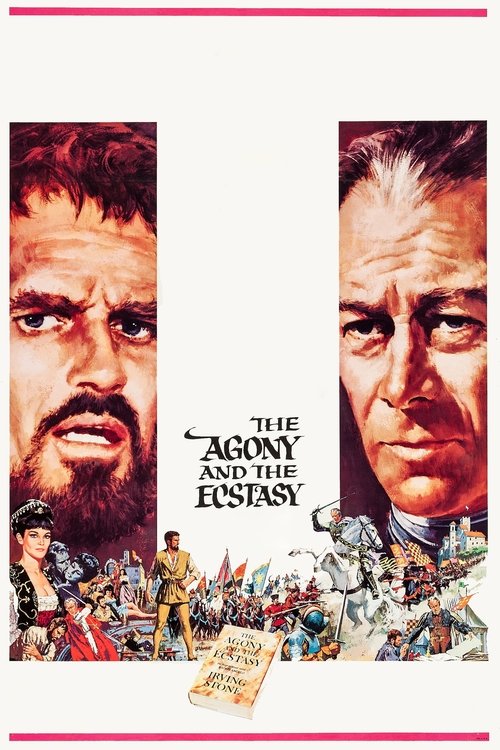
The Agony and the Ecstasy
1965
No user ratings available yet
Diversity score: 2.9 out of 10

1956
NRDirector
Vincente Minnelli
Runtime
122 minutes
Average Rating
No ratings yetSynopsis
An intense and imaginative artist, revered Dutch painter Vincent van Gogh possesses undeniable talent, but he is plagued by mental problems and frustrations with failure. Supported by his brother, Theo, the tormented Van Gogh eventually leaves Holland for France, where he meets volatile fellow painter Paul Gauguin and struggles to find greater inspiration.
Overall Score
Limited
Category Breakdown
LGBTQ+ Representation
The film adheres to strict heteronormative structures centered on the fraternal bond between Vincent and Theo. There is no presence of non-cisnormative identities or same-sex intimacy.
Gender Representation
The narrative is heavily localized within the male psychological experience. Female characters like Sien function primarily as satellites or emotional catalysts for the male protagonists' development.
Racial & Ethnic Diversity
Set within the 19th-century European art scene, the film maintains a homogeneous white cast. It lacks diverse ethnic perspectives or the use of color-blind casting.
Religious & Cultural Diversity
The story explores the friction between the individual and conventional society. It portrays poverty through biographical realism rather than offering a systemic critique of Western institutions.
Disability Representation
Vincent van Gogh’s psychological struggles are central to the plot. However, the film occasionally leans into the 'tortured artist' trope, romanticizing mental illness.
Strengths
Areas for Improvement
AI Analysis
Lust for Life is a classical biographical drama that prioritizes the internal torment of a singular white male figure. While it offers an empathetic look at mental instability, it operates within the traditional mid-century cinematic conventions of its era. The film lacks the intentionality needed to disrupt social, racial, or gender-based hierarchies. It focuses on individualist struggle rather than exploring collective or diverse social dynamics, resulting in a narrow narrative scope.
1965

2006

1981
1937

2014
2017

2006
1973
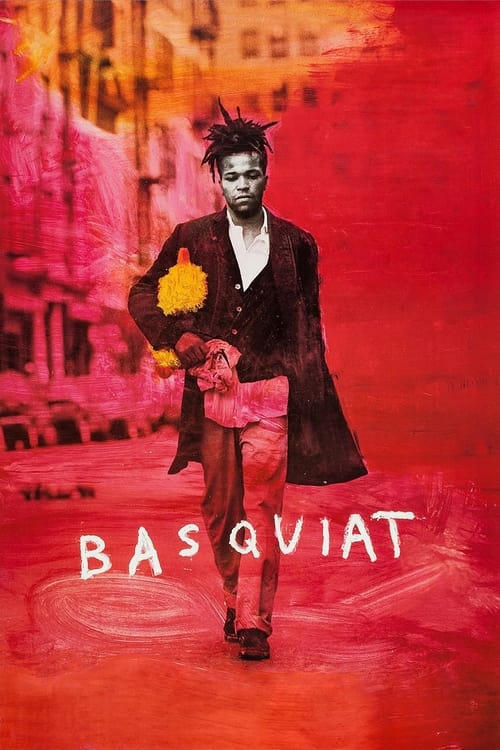
1996
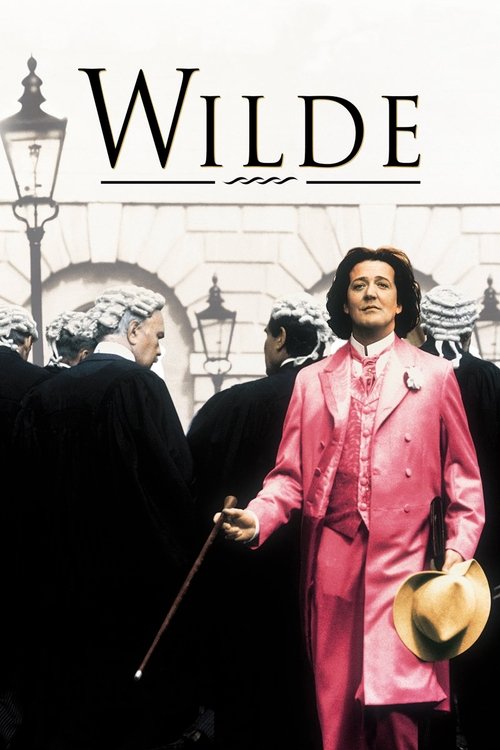
1997
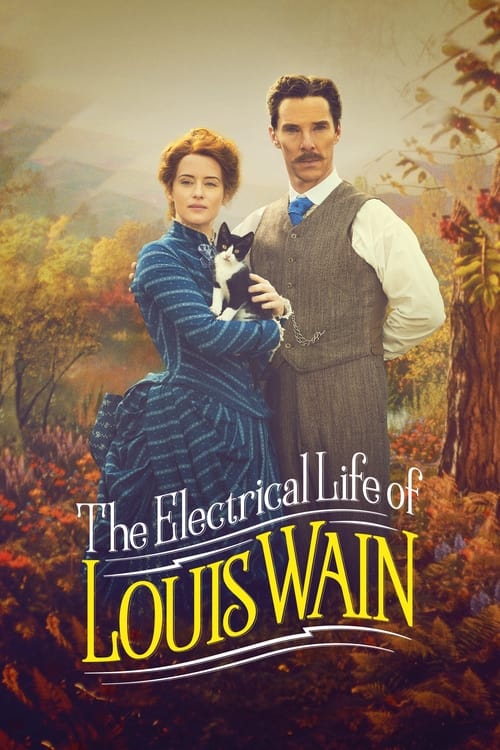
2021
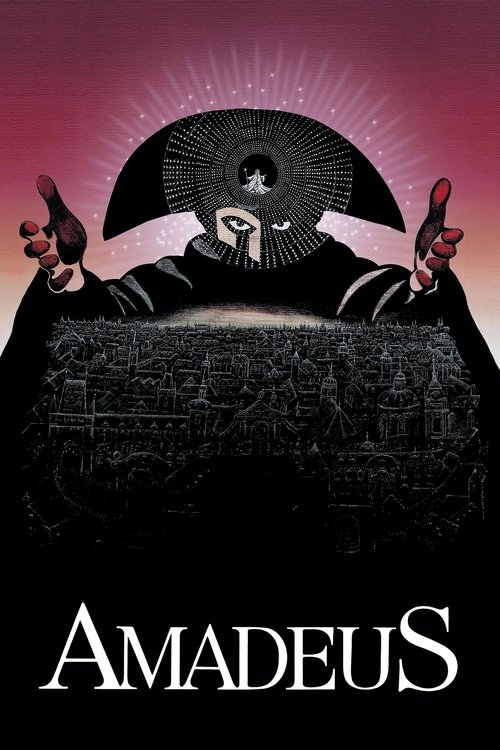
1984
No reviews yet. Be the first to share your thoughts on this movie!
Use the rating form above to leave a star rating and optional review.