
Copying Beethoven
2006
No user ratings available yet
Representation score: 5.9 out of 10
Representation Score
Limited
1994
RDirector
Bernard Rose
Runtime
121 minutes
Average Rating
No ratings yetNew Showbiz Analysis
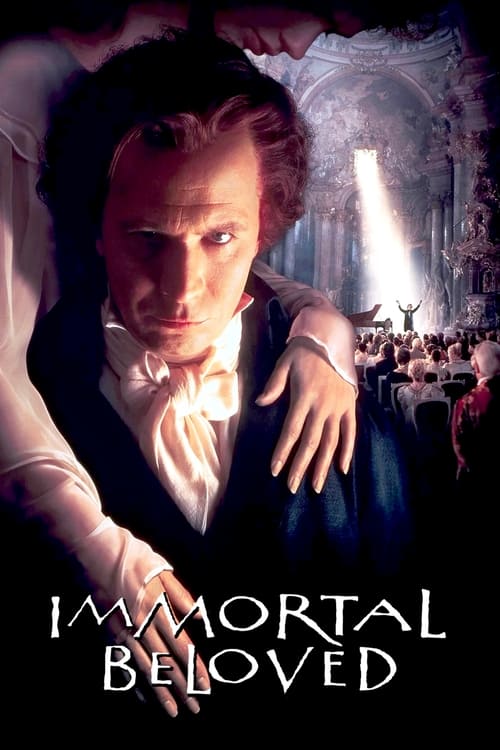
Immortal Beloved is a historical drama that delves into the psychological depths of a single historical figure. It effectively portrays the impact of hearing loss and sensory deprivation. However, the film's adherence to a 19th-century European perspective restricts its engagement with modern diversity issues. The narrative structure reinforces traditional historical hierarchies and focuses on a singular, Eurocentric viewpoint.
Category Breakdown
The film follows a traditional framework that assumes everyone is straight or cisgender. The story revolves around the protagonist's unrequited romantic feelings towards a woman.
The story focuses heavily on the male experience, particularly the 'tortured genius' stereotype. Female characters are mostly objects of longing rather than active participants in the plot.
The film features a predominantly white cast reflecting the 19th-century European setting. It centers on a single historical narrative without including diverse ethnic viewpoints.
The narrative highlights the individualism and sanctity of the artist during the Romantic era. It upholds a traditional view of historical legacy and the preservation of Western classical traditions.
The film offers a detailed look at hearing loss and the resulting social isolation. It gives the condition significant narrative importance, although it leans on the 'suffering artist' archetype.
Present on Screen
Limited or Absent
Official Synopsis
A chronicle of the life of infamous classical composer Ludwig van Beethoven and his painful struggle with hearing loss. Following Beethoven's death in 1827, his assistant, Schindler, searches for an elusive woman referred to in the composer's love letters as "immortal beloved." As Schindler solves the mystery, a series of flashbacks reveal Beethoven's transformation from passionate young man to troubled musical genius.
2006
1952
1976

1954

2020

1942

2004

1986
No reviews yet. Be the first to share your thoughts on this movie!
Use the rating form above to leave a star rating and optional review.