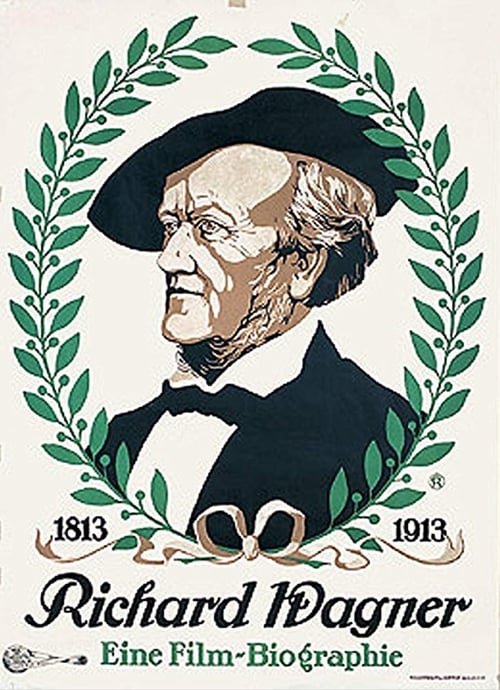
The Life and Works of Richard Wagner
1913
No user ratings available yet
Representation score: 1.1 out of 10
Representation Score
Good
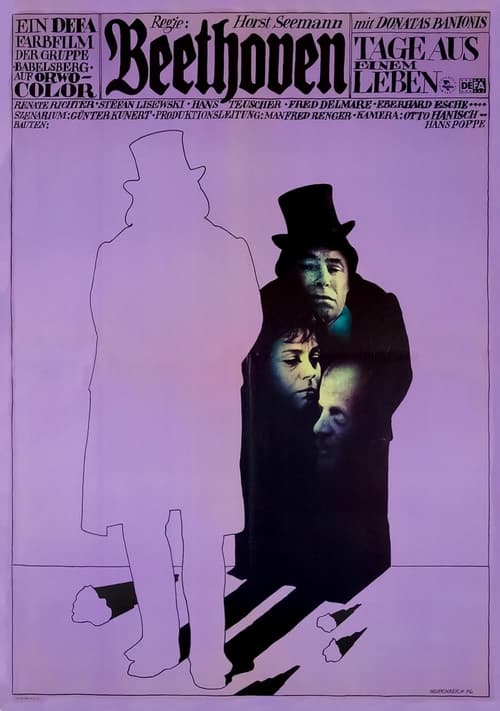
1976
Director
Horst Seemann
Runtime
108 minutes
Average Rating
No ratings yetNew Showbiz Analysis
Beethoven – Days in a Life is a historical character study that prioritizes psychological depth over modern characters who reflect more than one aspect of diversity. It excels in its portrayal of disability, treating Beethoven's hearing loss as a fundamental, lived experience that shapes his isolation and artistry. However, the film is limited by its historical setting, resulting in low scores for racial and LGBTQ+ diversity. The narrative is heavily male-centric, focusing on the protagonist's struggles against patriarchal family structures and state surveillance, which leaves little room for diverse gendered perspectives. Ultimately, the film finds its strength in depicting an individual in conflict with oppressive institutional structures, offering a complex view of historical power dynamics through the lens of a non-conformist genius.
Category Breakdown
The film does not include explicit LGBTQ+ characters or non-straight relationships. Instead, it focuses on Beethoven's personal isolation and professional challenges within a historical context.
The story centers on the male experience, particularly Beethoven's conflicts with his brothers and state officials. While it disrupts some familial hierarchies, it lacks prominent women's ability to drive the story.
Set in 19th-century Vienna, the film follows the demographic norms of the time. It focuses on the European musical establishment without featuring actors from diverse racial backgrounds.
The film explores the tension between the individual and state authority. It highlights Beethoven's republican beliefs and his struggles against patrons, critiquing the socio-economic power dynamics of the period.
The film portrays Beethoven's progressive hearing loss as a central narrative arc, providing a nuanced exploration of sensory disability and its impact on his social isolation.
Present on Screen
Limited or Absent
Official Synopsis
Vienna, 1813-1819: Beethoven (played by Donatas Banionis) is at the peak of his fame. Orchestras all over the world play his music, but he lives modestly and is dependent upon private patrons. Nagged by his patronizing brothers, spied upon by officials for his republican beliefs and faced by his progressive hearing loss, the composer becomes more and more isolated. Seeman’s poetic film explores the joys, heartbreak and artistic spirit of the great composer as he works on his Ninth Symphony.
1913
1991

2025
1994

1989

2006
2025

1998
No reviews yet. Be the first to share your thoughts on this movie!
Use the rating form above to leave a star rating and optional review.