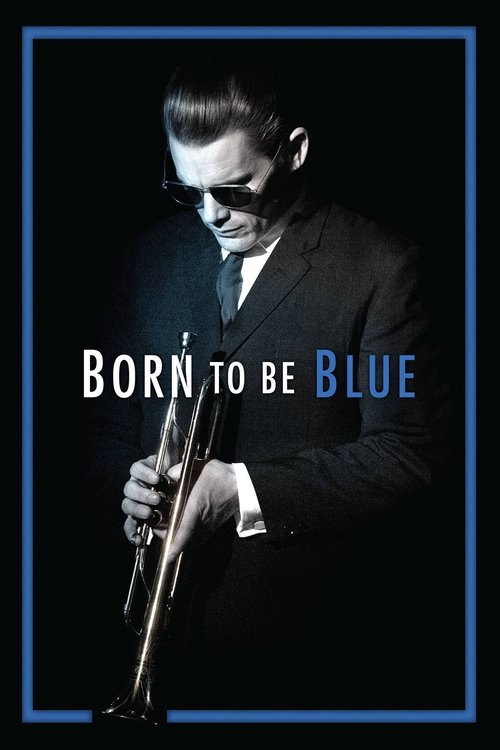
Born to Be Blue
2015
No user ratings available yet
Representation score: 7.0 out of 10
Representation Score
Fair
1996
PG-13Director
Scott Hicks
Runtime
105 minutes
Average Rating
No ratings yetNew Showbiz Analysis
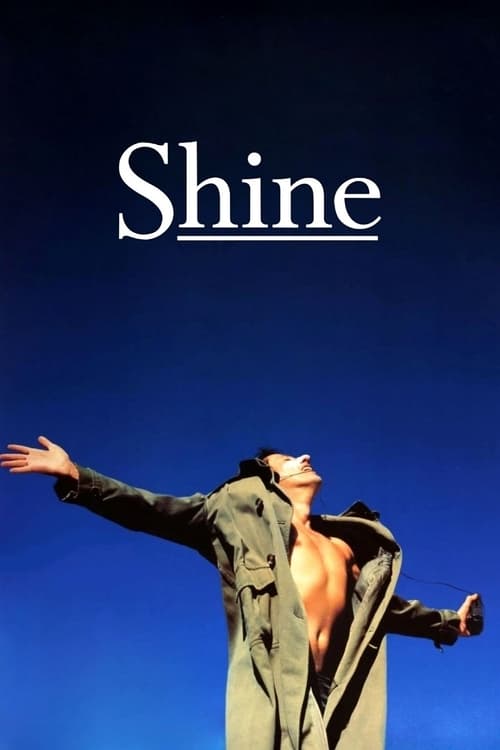
Shine excels as a character study by emphasizing psychological depth over conventional social structures. Its standout feature is the sophisticated, actively leading portrayal of mental health struggles, which avoids common clichés of mockery or simplistic inspiration. However, the film's scope is limited by a narrow demographic focus. The absence of LGBTQ+ representation and a lack of broader multi-layered casting keep the narrative within a more traditional, biographical framework. Ultimately, the film's strength lies in its subversion of traditional masculine strength and its authentic exploration of the human psyche, even while operating within a relatively homogeneous cultural setting.
Category Breakdown
The film maintains a strictly narrow focus on straight relationships. No LGBTQ+ characters or non-assuming gender matches what was assigned at birth identities appear within the biographical narrative.
The film portrays Gillian as a strong, emotionally resilient character. It challenges traditional views of masculinity by showing the male lead as emotionally vulnerable and dependent.
The story focuses on a specific Jewish cultural identity within Australia. It avoids a homogeneous white perspective by centering on a distinct diaspora community.
The narrative explores the pressures of mentor-student relationships. It challenges Western ideals of stability by depicting the protagonist's psychological breakdown.
The film provides a nuanced look at neurodivergence and mental health issues. It gives the protagonist significant control over his story, avoiding the trap of 'inspiration porn' by focusing on his complex, non-linear journey.
Present on Screen
Limited or Absent
Official Synopsis
Pianist David Helfgott, driven by his father and teachers, has a breakdown. Years later he returns to the piano, to popular if not critical acclaim.
2015
1988

1989
1998
1993

1979
1990
2006
No reviews yet. Be the first to share your thoughts on this movie!
Use the rating form above to leave a star rating and optional review.