
A Bag of Marbles
2017
No user ratings available yet
Representation score: 4.6 out of 10
Representation Score
Fair
2020
Director
Vadim Perelman
Runtime
127 minutes
Average Rating
No ratings yetNew Showbiz Analysis
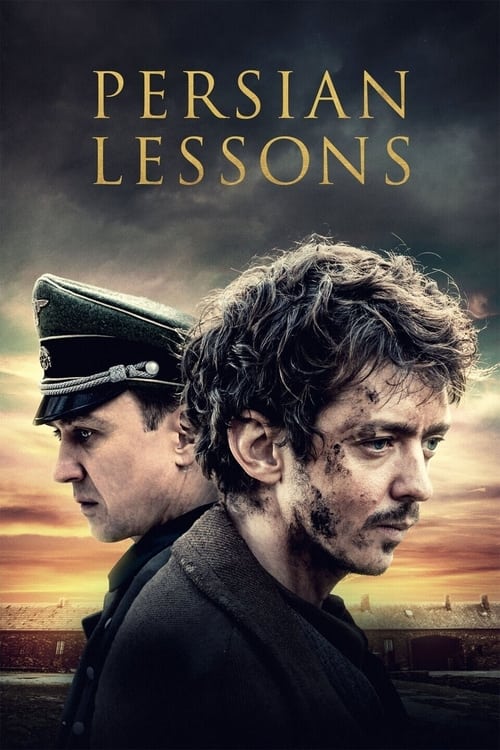
Persian Lessons is a study in the multi-layered experience of survival. It excels by using the deconstruction of ethnic boundaries to drive a narrative of resistance against oppressive power structures. The film's strength lies in its exploration of identity through the performance of ethnicity. By centering on a protagonist who must adopt a constructed cultural persona to avoid persecution, it challenges fixed racial and ethnic categories. However, the impact is limited by a narrow focus on a male-dominated hierarchy and the absence of LGBTQ+ representation. This creates a significant imbalance in the film's social landscape.
Category Breakdown
The film does not include any LGBTQ+ characters or subplots that challenge straight-centered assumptions. The story centers around the protagonist's struggle for survival in a Nazi camp.
The story is heavily focused on a male-dominated hierarchy within a Nazi camp. It lacks meaningful female roles and emphasizes male power dynamics through combat and authority.
The film casts a Jewish protagonist who adopts a Persian identity, using language as a metaphor for the performance of ethnicity. This approach highlights the complexity of cultural identity.
The narrative portrays the protagonist's deception as a necessary act of survival against oppressive state norms. It emphasizes individual truth over rigid systems.
The film explores the psychological stress of maintaining a false identity under extreme conditions. However, these psychological struggles are used primarily to heighten tension rather than to develop character depth.
Present on Screen
Limited or Absent
Official Synopsis
Occupied France, 1942. Gilles is arrested by SS soldiers alongside other Jews and sent to a camp in Germany. He narrowly avoids sudden execution by swearing to the guards that he is not Jewish, but Persian. This lie temporarily saves him, but Gilles gets assigned a life-or-death mission: to teach Farsi to Head of Camp Koch, who dreams of opening a restaurant in Iran once the war is over. Through an ingenious trick, Gilles manages to survive by inventing words of "Farsi" every day and teaching them to Koch.
2017

2024

1995

1998

2021

1983

2014

1942
No reviews yet. Be the first to share your thoughts on this movie!
Use the rating form above to leave a star rating and optional review.