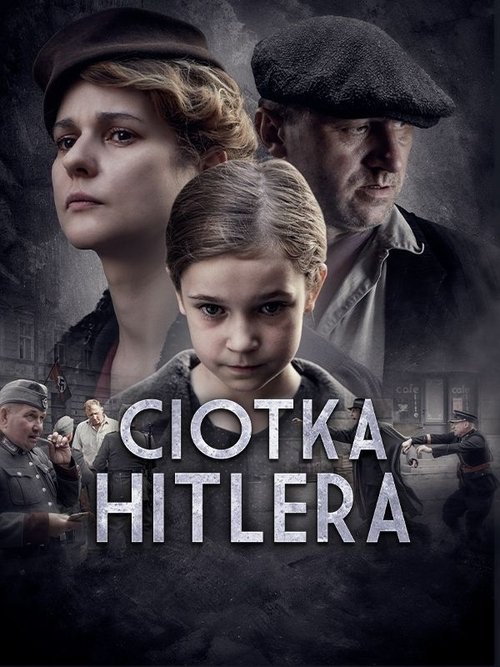
Hitler's Aunt
2021
No user ratings available yet
Representation score: 5.9 out of 10
Representation Score
Good
2021
Director
Anna Kazejak
Runtime
82 minutes
Average Rating
No ratings yetNew Showbiz Analysis
The film stands out by avoiding conventional wartime resistance narratives. It instead delves into the complex, symbiotic relationship between a musician and a Jewish violinist. This approach provides a sophisticated look at individual ability to act under extreme circumstances. While the film effectively portrays ethnic diversity and cross-ethnic cooperation, its focus remains primarily on male characters and traditional power structures. The absence of explicit LGBTQ+ identities or characters with disabilities limits its overall impact. Ultimately, the film uses historical conflict to explore how individuals navigate the complexities of survival, emphasizing personal connections over institutional stability.
Category Breakdown
The film showcases a strong bond between two men formed through shared experiences. Although their sexual orientation is not explicitly stated, the relationship hints at a deeper emotional connection.
The story revolves around male characters but challenges traditional masculine roles. The power dynamic shifts as both characters depend on each other for survival, blurring the lines of who leads and who follows.
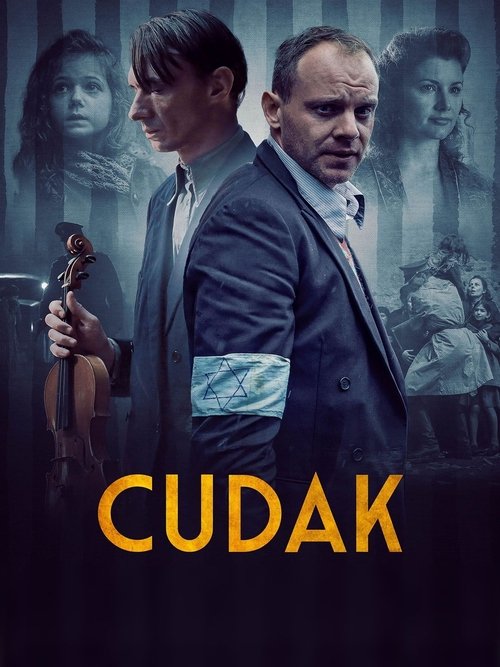
The film highlights a Jewish violinist and emphasizes the importance of music in bridging ethnic divides. It disrupts the usual victim/persecutor dichotomy, showcasing a more nuanced relationship during wartime.
The movie critiques fragmented societal structures and the collapse of nationalistic systems. It depicts a world where situational ethics take precedence over established moral codes under oppressive conditions.
There are no specific depictions of physical or neurodivergent disabilities that serve as central narrative pillars.
Present on Screen
Limited or Absent
Official Synopsis
Roman Cudakowski, for his friends Cudak, plays in a band at weddings and city parties. During the occupation, the musician did not do well. Entrances to the premises for Germans are an opportunity to earn money. However, they cannot imagine themselves orchestras without a violinist. Cudak takes the gifted Szymon Akerman out of the ghetto to concerts, with whom he did not agree before the war. In the new reality, they both need each other: Cudak can earn money by playing with Akerman, has a chance to survive. One day, Roman decides to permanently take the violinist and his family from the ghetto and hide them, risking his life, in his home.
2021

2024

2017

2020

2013

2019

1988

1992
No reviews yet. Be the first to share your thoughts on this movie!
Use the rating form above to leave a star rating and optional review.