Affirmations
1990
No user ratings available yet
Representation score: 7.4 out of 10
Representation Score
Excellent
1995
Not RatedDirector
Marlon Riggs
Runtime
87 minutes
Average Rating
No ratings yetNew Showbiz Analysis
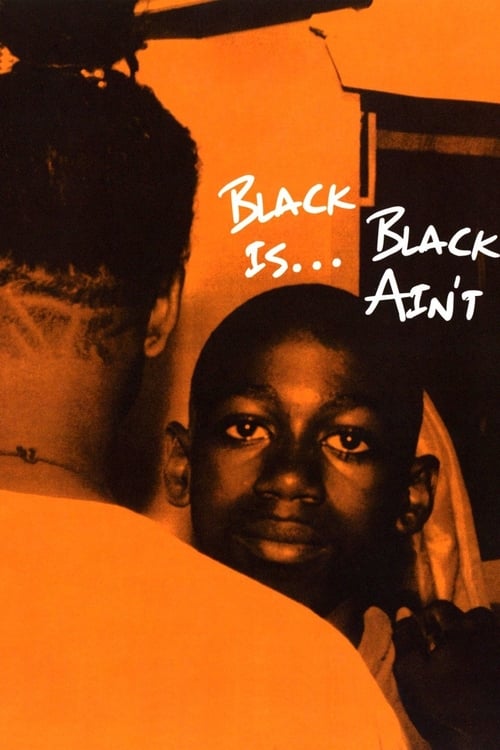
Marlon Riggs’ final film is a seminal achievement in multi-layered documentary filmmaking. It masterfully dismantles the idea of a monolithic Black identity by juxtaposing mainstream hip-hop's aggressive language against the nuanced perspectives of intellectuals like bell hooks and Angela Davis. The film succeeds by moving beyond simple representation to perform a rigorous analysis of internal hierarchies. It effectively addresses how colorism, sexism, and homophobia operate within the community, demanding a more inclusive definition of racial solidarity. While the primary focus remains on racial and sexual politics, the inclusion of the director's personal health struggle adds a layer of profound, unvarnished humanity to the narrative structure.
Category Breakdown
This landmark work centers on the overlapping experiences of LGBTQ individuals, particularly focusing on the intersection of sexual orientation and racial identity. It confronts homophobia and derogatory language in popular culture.
The film provides a profound analysis of how gender intersects with racialized beauty standards. It elevates the role of women by centering women theorists to critique patriarchal norms and misogyny.
Riggs performs a deep deconstruction of skin tone hierarchies, including colorism and hair texture. The film challenges the whitewashing of beauty standards to promote a more expansive understanding of Blackness.
Framed through post-colonialism, the film critiques the 'politics of respectability' and colonial vestiges. It prioritizes multifaceted morality over singular cultural standards, utilizing academic voices to drive systemic analysis.
The documentary offers a raw depiction of physical vulnerability through Riggs' battle with AIDS-related complications. While not the primary focus, his hospital bed scenes provide a non-performative look at chronic illness.
Present on Screen
Limited or Absent
Official Synopsis
African-American documentary filmmaker Marlon Riggs was working on this final film as he died from AIDS-related complications in 1994; he addresses the camera from his hospital bed in several scenes. The film directly addresses sexism and homophobia within the black community, with snippets of misogynistic and anti-gay slurs from popular hip-hop songs juxtaposed with interviews with African-American intellectuals and political theorists, including Cornel West, bell hooks and Angela Davis.
1990
1984

1993

2017
1990
2009

1994
1996
No reviews yet. Be the first to share your thoughts on this movie!
Use the rating form above to leave a star rating and optional review.