Affirmations
1990
No user ratings available yet
Representation score: 7.4 out of 10
Representation Score
Good
1990
Not RatedDirector
Marlon Riggs
Runtime
55 minutes
Average Rating
No ratings yetNew Showbiz Analysis
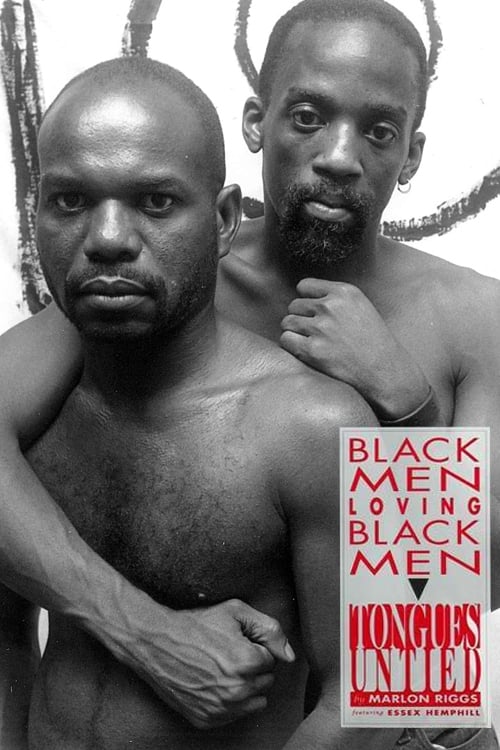
Tongues Untied is a groundbreaking film that centers Black queer identity as a powerful form of resistance. By blending poetry, dance, and personal stories, Marlon Riggs creates a space for multifaceted identities. The film's strength lies in its refusal to separate race and sexuality. It explores how these identities intersect and impact the Black experience. However, it does not specifically address disability representation within the provided context.
Category Breakdown
The film focuses on Black gay men and places them at the heart of its narrative. It challenges the idea that everyone is straight or cisgender by highlighting the unique experiences of Black LGBTQ individuals.
Marlon Riggs challenges traditional views of masculinity by showing vulnerability and embracing queer expression. The film presents a nuanced view of manhood that goes beyond the typical tough-guy stereotype.
The film provides a deep look at the complexities of being both Black and LGBTQ. It avoids simplifying these identities by examining the specific challenges faced by Black queer individuals.
The film explores the Black church and mainstream LGBTQ communities as places where certain individuals might feel excluded. It uses poetry and personal stories to challenge the dominant cultural narratives.
There is insufficient information in the film to assess any representation of visible or invisible disabilities.
Present on Screen
Limited or Absent
Official Synopsis
Marlon Riggs, with assistance from other gay Black men, especially poet Essex Hemphill, celebrates Black men loving Black men as a revolutionary act. The film intercuts footage of Hemphill reciting his poetry, Riggs telling the story of his growing up, scenes of men in social intercourse and dance, and various comic riffs, including a visit to the "Institute of Snap!thology," where men take lessons in how to snap their fingers: the sling snap, the point snap, the diva snap.
1990
1984
1995

2017
1993
1996

1967
2009
No reviews yet. Be the first to share your thoughts on this movie!
Use the rating form above to leave a star rating and optional review.