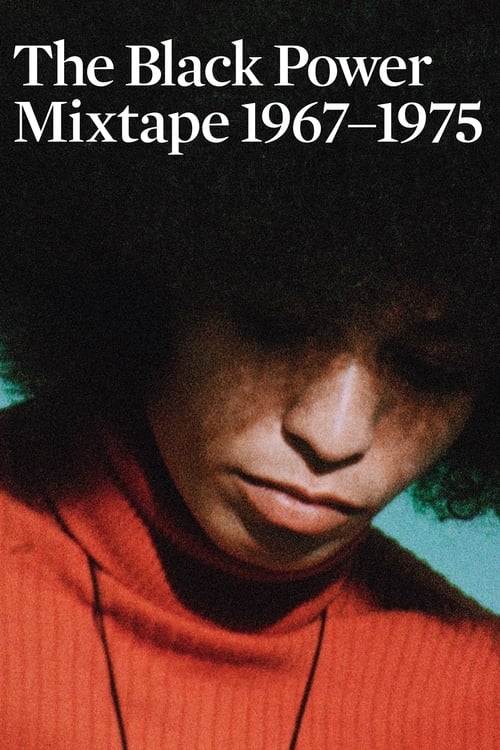
The Black Power Mixtape 1967-1975
2011
No user ratings available yet
Representation score: 7.1 out of 10
Representation Score
Good
1992
UnratedDirector
Marlon Riggs
Runtime
80 minutes
Average Rating
No ratings yetNew Showbiz Analysis
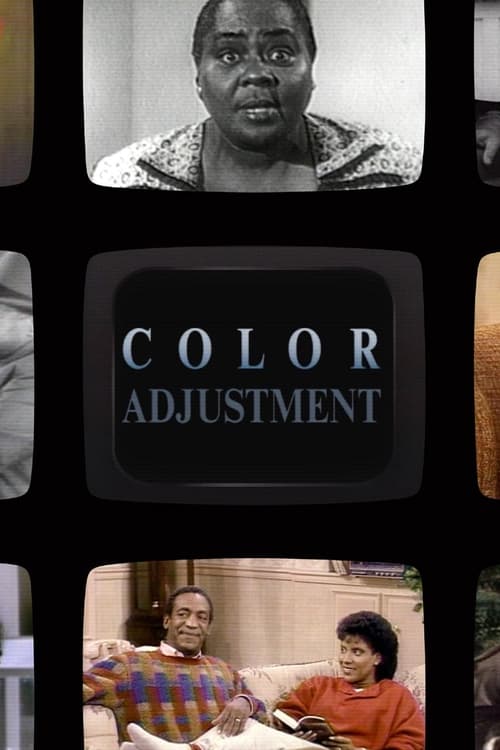
Marlon Riggs’ documentary rigorously examines how American television shapes racial identity, analyzing shows like *Amos 'n' Andy* and *The Cosby Show*. The film uncovers the systemic imposition of Eurocentric beauty standards and the resulting hierarchies based on skin tone. The work stands out for its critique of Western cultural dominance and beauty standards, moving beyond surface-level representation to explore internalized oppression. It provides a nuanced look at how media reinforces racialized power structures. While the film lacks direct representations of LGBTQ+ characters or disabilities, its strength lies in its layered approach to gender and race.
Category Breakdown
The film does not include explicit representations of LGBTQ+ characters or non-traditional gender identities. The director's progressive background is reflected in the film's overall approach, though there are no direct on-screen representations of LGBTQ+ individuals.
The film highlights how Eurocentric beauty standards disproportionately affect Black women, influencing their social status and defining their femininity. It critiques how these standards can be harmful within the Black community.
Marlon Riggs presents a detailed analysis of colorism and racial hierarchies, showing how media perpetuates skin-tone stratification within the Black community. The film is particularly strong in its examination of how television shapes racial identity.
The film offers a deep critique of Western cultural dominance, examining how colonial beauty standards are internalized through media. It looks at how these standards influence perceptions of beauty and identity.
The film does not focus on physical or neurodivergent disabilities. There is no specific representation of individuals with disabilities in this work.
Present on Screen
Limited or Absent
Official Synopsis
From Amos 'n' Andy to Nat King Cole, from Roots to The Cosby Show, black people have played many roles on primetime television. Brilliantly weaving clips from classic TV shows with commentary from TV producers, black actors and scholars, Marlon Riggs blends humor, insight, and thoughtful analysis to explore the evolution of black/white relations as reflected by America's favorite addiction.
2011
2009
2010

1997
1998
2017
1986
2022
No reviews yet. Be the first to share your thoughts on this movie!
Use the rating form above to leave a star rating and optional review.