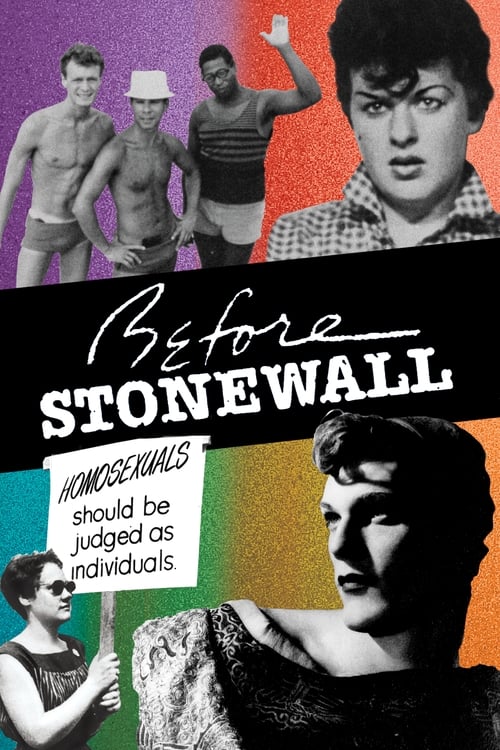
Before Stonewall
1984
No user ratings available yet
Representation score: 9.6 out of 10
Representation Score
Excellent
1999
Not RatedDirector
John Scagliotti
Runtime
88 minutes
Average Rating
No ratings yetNew Showbiz Analysis
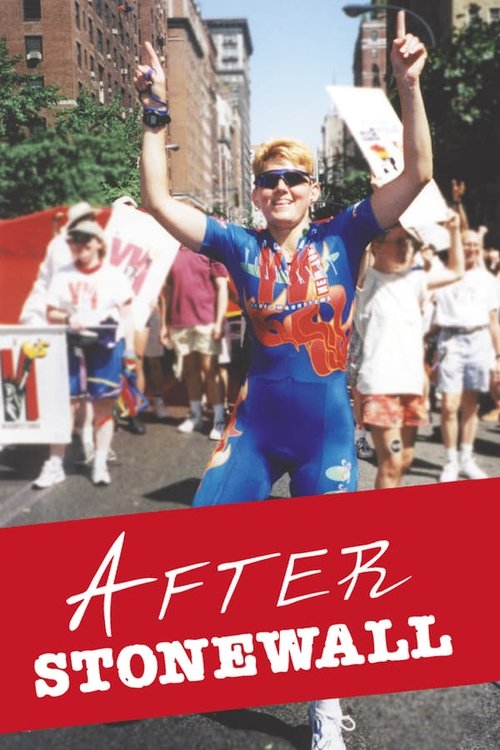
After Stonewall is a sophisticated deconstruction of traditional American history. By prioritizing identity-based power dynamics, the film transforms systemic victimhood into political ability to act. It successfully centers voices historically excluded from the official record. The documentary excels at storytelling that reflects multiple aspects of identity, particularly regarding race and gender. It moves beyond simple representation to show how queer identity shaped political movements. While the film is a landmark for queer visibility, it lacks the same depth regarding disability as it does for racial and gender-based activism.
Category Breakdown
The film serves as a foundational text for queer history. It centers non-cisgender and non-straight identities in the context of North American social development.
This documentary challenges traditional hierarchies by documenting gender-nonconforming identities as political resistance. It explores the fluidity of gender roles beyond binary expectations.
The narrative avoids a monolithic view by centering people of color. It specifically highlights the pivotal roles of Marsha P. Johnson and Sylvia Rivera.
The film critiques Western institutions and explores the tension between queer liberation and religious organizations. It frames survival behaviors as necessary resistance against state harassment.
The film touches on how socioeconomic status affects activist risk. However, dedicated analysis of physical or neurodivergent disability is less prominent than other themes.
Present on Screen
Limited or Absent
Official Synopsis
This sequel to "Before Stonewall" documents the history of gay and lesbian life from the riots at Stonewall in 1969 to the present. Narrated by Melissa Etheridge, the film explains the work, struggles, victories, and defeats the gay community has weathered to become a vibrant and integral part of North American society.
1984
1984
2017
1996

2019

2017
2011

2021
No reviews yet. Be the first to share your thoughts on this movie!
Use the rating form above to leave a star rating and optional review.