
O Amor Natural
1996
No user ratings available yet
Diversity score: 7.0 out of 10

1967
Not RatedDirector
Shirley Clarke
Runtime
108 minutes
Average Rating
No ratings yetSynopsis
Interview with Jason Holliday aka Aaron Payne. House-boy, would-be cabaret performer, and self-proclaimed hustler giving one man's gin-soaked, pill-popped view of what it was like to be black and gay in 1960s United States. Preserved by the Academy Film Archive in partnership with Milestone Films in 2013.
Overall Score
Good
Category Breakdown
LGBTQ+ Representation
The film is a landmark in queer cinema, offering a rare, unvarnished look at Black queer identity in the 1960s. It avoids sanitizing the subject, presenting a nuanced portrait of non-heteronormative existence.
Gender Representation
The film establishes intellectual parity between director Shirley Clarke and the subject. While it avoids traditional domestic tropes through Clarke's investigative agency, the focus remains on the subject's personal identity.
Racial & Ethnic Diversity
By centering a Black man's perspective, the film eschews the white gaze. Holliday defines his own reality, using his personal history to critique systemic racial barriers and structural inequities.
Religious & Cultural Diversity
The narrative critiques systemic oppression by highlighting struggles within capitalist frameworks. It prioritizes subjective truth over authoritative morality, framing survival strategies as responses to a restrictive environment.
Disability Representation
The film candidly explores the intersection of socioeconomic instability and emotional vulnerability. However, it lacks a specific, agency-driven focus on physical disability or neurodivergence.
Strengths
Areas for Improvement
AI Analysis
Shirley Clarke’s documentary is a profound interrogation of identity that disrupts the traditional documentary gaze. By centering Jason Holliday, the film provides an unfiltered look at the intersection of Blackness and queerness in the 1960s. The work excels in racial and cultural representation, using Holliday’s lived experience to challenge systemic power structures and the capitalist framework. It moves beyond simple biography to become a critique of social hierarchies. While the film offers depth regarding socioeconomic and emotional vulnerability, it remains limited in its specific exploration of physical or neurodivergent disabilities. Overall, it is a vital, intersectional text.
1996
2021

2020
2014
2023

2010
1999

2006

2018
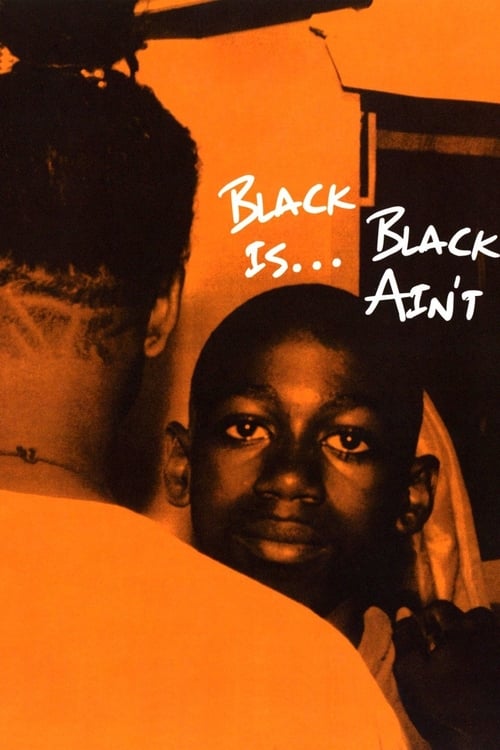
1994
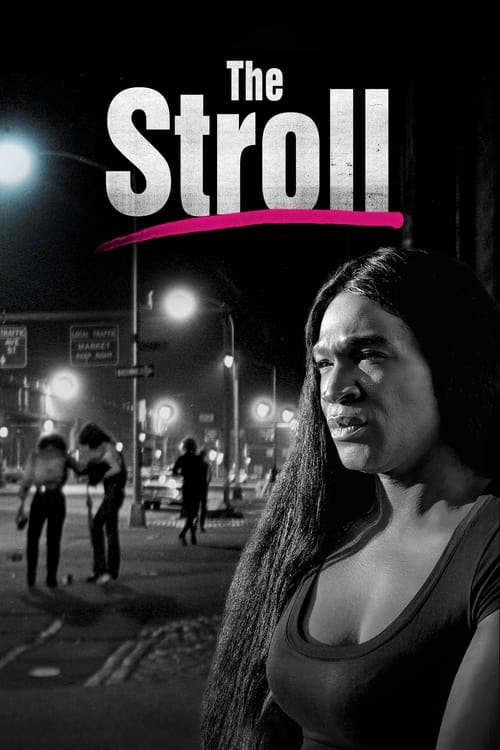
2023
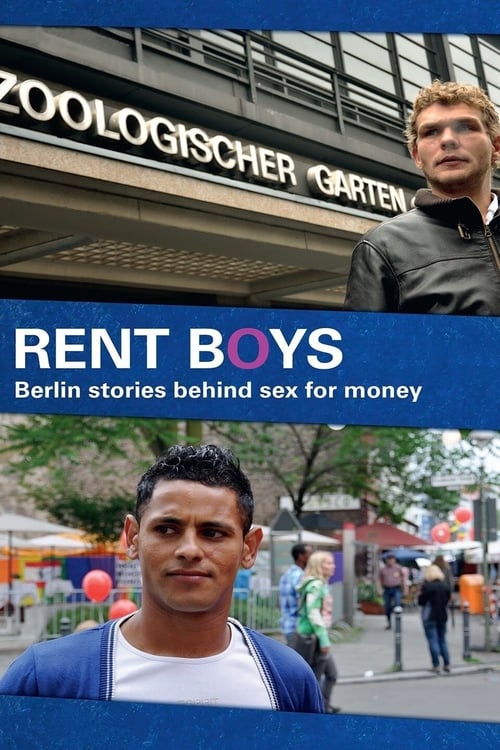
2011
No reviews yet. Be the first to share your thoughts on this movie!
Use the rating form above to leave a star rating and optional review.