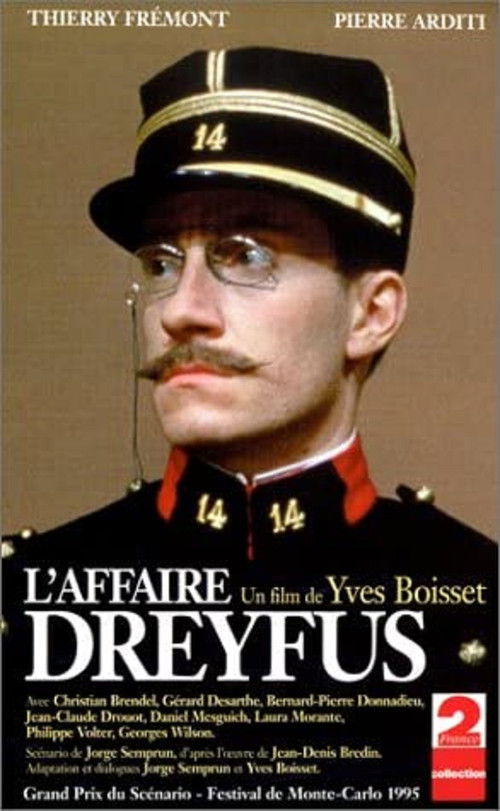
L'Affaire Dreyfus
1995
No user ratings available yet
Representation score: 3.2 out of 10

Representation Score
Fair
2019
Director
Roman Polanski
Runtime
132 minutes
Average Rating
No ratings yetNew Showbiz Analysis
An Officer and a Spy is a period drama that emphasizes historical accuracy and institutional critique over demographic diversity. It shines in its intellectual deconstruction of state power, depicting the French government as deceptive and oppressive. However, the film struggles with traditional representation. It is a male-dominated narrative set within a homogeneous social environment, offering little visibility for women, diverse ethnic groups, or LGBTQ+ individuals. Ultimately, the film's strength lies in its cultural commentary on systemic corruption rather than its inclusivity of diverse identities.
Category Breakdown
The film focuses on the political and professional maneuvers of French intelligence. It doesn't include any non-traditional gender identities or same-sex relationships, sticking to the traditional social structures of the late 19th century.
The story is dominated by male characters who drive the central plot and power dynamics. Women are kept on the sidelines, reinforcing a hierarchy where professional success is seen as a masculine trait.
The cast reflects the homogeneous demographics of the 1890s French military. Despite addressing systemic injustices, the film lacks diverse ethnic representation within its institutional roles due to historical limitations.
The film offers a critical look at Western institutions. It portrays the state and intelligence services as corrupt and manipulative forces that prioritize institutional preservation over truth and personal morality.
The film does not focus on neurodivergence, physical disabilities, or mental health issues. These factors are not used as central character arcs or primary narrative tools.
Present on Screen
Limited or Absent
Official Synopsis
In 1894, French Captain Alfred Dreyfus is wrongfully convicted of treason and sentenced to life imprisonment at the Devil’s Island penal colony.
1995

1937
1991

1971
1930
2023
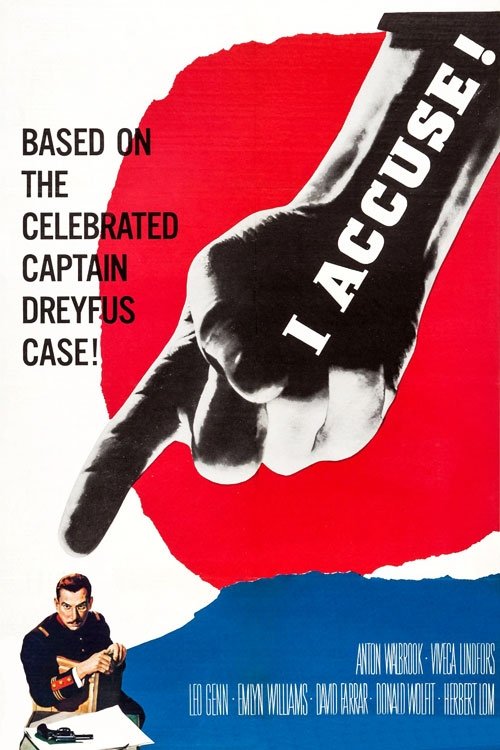
1958
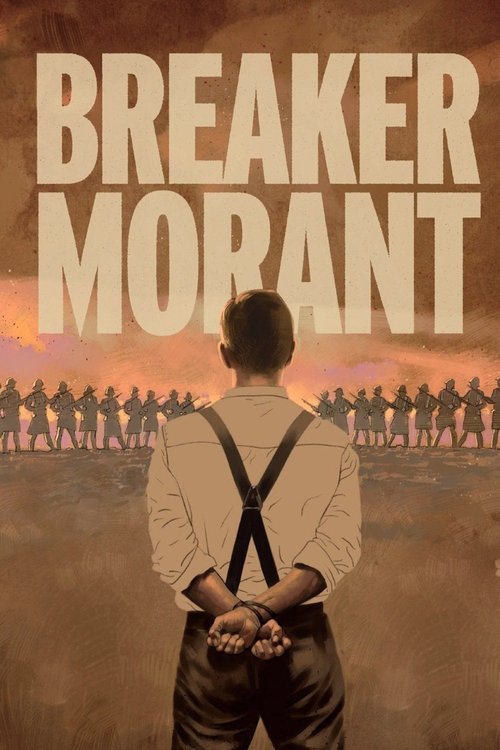
1980
No reviews yet. Be the first to share your thoughts on this movie!
Use the rating form above to leave a star rating and optional review.