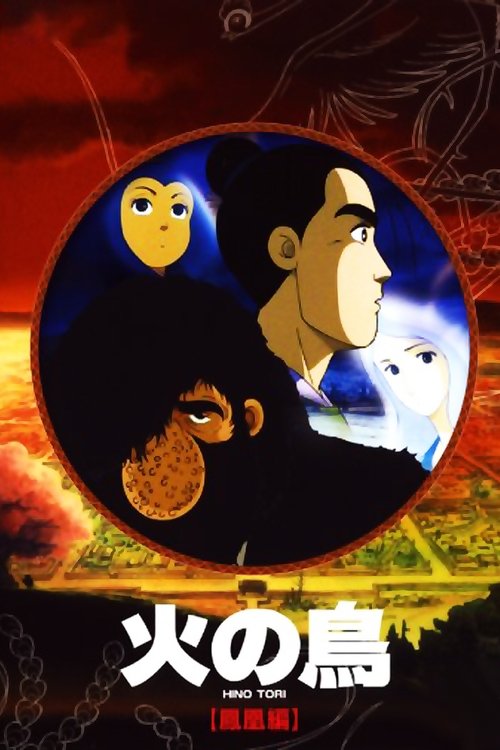
Phoenix: Karma Chapter
1986
No user ratings available yet
Representation score: 5.2 out of 10

Representation Score
Good
1996
Director
Shoji Kawamori
Runtime
56 minutes
Average Rating
No ratings yetNew Showbiz Analysis
Spring and Chaos presents a culturally specific biographical fantasy that deviates from Western-centric narratives. By focusing on the life of Kenji Miyazawa, the film offers an authentic glimpse into Japanese intellectual history and the challenges faced by an artist against societal expectations. The narrative's strength lies in its portrayal of an eccentric outsider, allowing for a nuanced exploration of individual struggles and social friction. This approach disrupts conventional success stories by emphasizing the internal life of a misunderstood figure. However, the film lacks explicit confirmation of specific LGBTQ+ or disability representation. While the protagonist's eccentricity suggests possible neurodivergent themes, the absence of clear, documented details in these areas limits the overall diversity impact.
Category Breakdown
The film features an eccentric protagonist who seems to have an outsider identity, but there is no clear indication of non-straight relationships or same-sex intimacy.
The story revolves around the male character Kenji, potentially challenging traditional success stories by highlighting his vulnerability and social conflicts.
By focusing on a Japanese historical figure, the film avoids Western-centric storytelling and offers an authentic look at non-Anglo-Saxon intellectual history.
The film highlights an individual's struggle against established social structures, emphasizing personal truth and subjective experiences over traditional milestones of success.
Kenji's eccentricity and social alienation might depict neurodivergent traits, but the film does not provide clear evidence of specific disabilities.
Present on Screen
Limited or Absent
Official Synopsis
Set in the beginning of the 20th century Japan, the film follows the bright and eccentric Kenji from his late student years through his adulthood. Kenji suffers the tragedy of being an artist whose art isn't recognized during his lifetime. Based on the life of the author Kenji Miyazawa, the film depicts his brief but intense existence.
1986
1991
2013
1993
2014
1995
2002

2022
No reviews yet. Be the first to share your thoughts on this movie!
Use the rating form above to leave a star rating and optional review.