
I Lost My Body
2019
No user ratings available yet
Representation score: 8.2 out of 10
Representation Score
Minimal
2014
Director
Takuya Inaba
Runtime
22 minutes
Average Rating
No ratings yetNew Showbiz Analysis
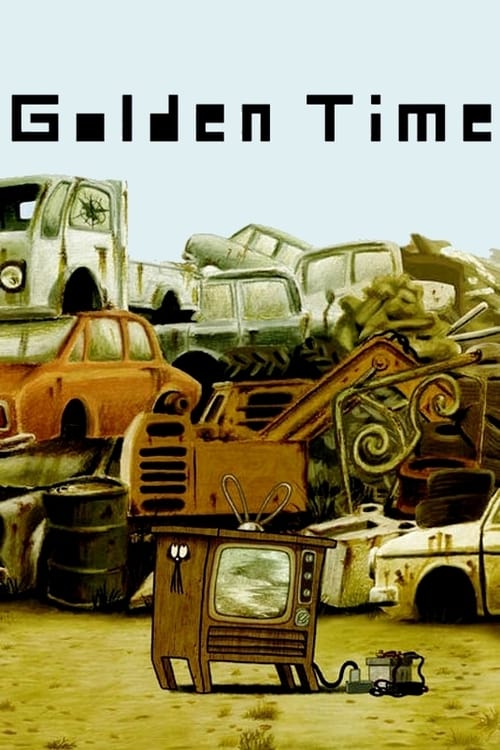
Golden Time is a specialized, metaphorical drama that prioritizes philosophical exploration over demographic breadth. The narrative uses a discarded television set to examine themes of obsolescence and the struggle for autonomy within a junkyard setting. While the film lacks explicit characters who reflect more than one aspect of diversity or human character diversity, it touches on progressive themes regarding systemic displacement. The protagonist's refusal to accept a predetermined fate serves as a critique of the disposability inherent in capitalist structures. Ultimately, the work functions as a study of ability to act rather than a vehicle for social representation, resulting in a low score for traditional diversity metrics.
Category Breakdown
There are no LGBTQ+ characters or narratives addressing non-straight relationships in the film. The focus is solely on the main object.
Since the narrative revolves around an inanimate television set, there are no visible gendered character arcs or human gender dynamics.
Set in 1980s Japan, the story focuses on a single object's struggle. There is no evidence of a multi-ethnic cast or racial metaphors.
The film offers a subtle critique of consumerist structures through its protagonist's resistance to being discarded. This suggests a framework of systemic resistance.
No characters are shown navigating physical or mental health conditions. The television's struggle is a metaphor for ability to act rather than intentional disability representation.
Present on Screen
Limited or Absent
Official Synopsis
In Japan, during the eighties, a recently discarded old television set refuses to accept its fate and tries to break out of the junkyard where it has been sent.
2019

2009

2020
2004

2021

2011

1996
1995
No reviews yet. Be the first to share your thoughts on this movie!
Use the rating form above to leave a star rating and optional review.