X: An Omen
2001
No user ratings available yet
Representation score: 5.1 out of 10
Representation Score
Fair
1986
Director
Rintaro
Runtime
60 minutes
Average Rating
No ratings yetNew Showbiz Analysis
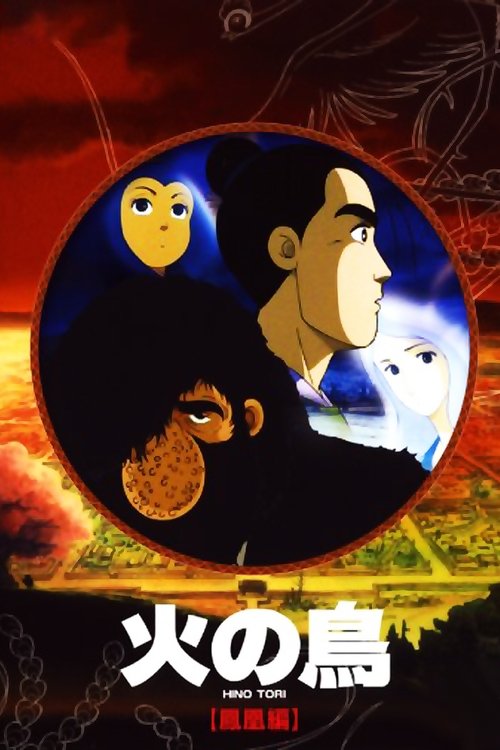
Phoenix: Karma Chapter is a philosophical drama that emphasizes metaphysical themes over traditional hero-centric clichés. Utilizing a cyclical narrative of reincarnation, the film explores identity and destiny through a lens that avoids standard moral binaries. The work succeeds in its cultural complexity, replacing conventional good versus evil structures with a nuanced view of human struggle against systemic cosmic forces. However, the film remains limited by its male-centric focus and ethnic homogeneity. While it challenges certain masculine archetypes, the primary drivers of the plot are rooted in traditional male roles.
Category Breakdown
The film focuses on a long-lasting relationship between two men, suggesting a deep emotional bond that transcends typical heterosexual norms.
The story revolves around male archetypes, particularly a genius sculptor and an outlaw. The sculptor's focus on aesthetic obsession challenges traditional warrior stereotypes.
Set in a mythical Japanese context, the cast is ethnically uniform. The narrative employs metaphysical elements to emphasize universal existential experiences rather than ethnic hierarchies.
The film steers clear of Western-centric beliefs, emphasizing karma and subjective morality. It portrays struggles as results of cosmic forces rather than simple individual moral failings.
The narrative does not provide any specific depiction of physical or neurodivergent disabilities.
Present on Screen
Limited or Absent
Official Synopsis
The story of two men - sculptor genius Akanemaru, and former bandit Gao. Discover how the lives of the two men cross repeatedly throughout their lives, how they struggle with their own fate, and how they are forced to compete with each other for a great honour, when karma is the only prize.
2001

1973
2013
1988

1996
2014

1969

1999
No reviews yet. Be the first to share your thoughts on this movie!
Use the rating form above to leave a star rating and optional review.