
Ocean Waves
1993
No user ratings available yet
Representation score: 2.2 out of 10
Representation Score
Fair
1991
PGDirector
Isao Takahata
Runtime
119 minutes
Average Rating
No ratings yetNew Showbiz Analysis
Isao Takahata’s work excels in psychological depth, using a non-linear structure to explore how societal changes like urbanization impact the individual psyche. The film moves away from simple moral binaries, favoring a complex, subjective exploration of identity and history. While the film lacks explicit demographic variety regarding race or LGBTQ+ identity, it offers progressive value through its subversion of traditional gender roles. Taeko is a fully realized woman navigating a modernizing landscape who play a significant role in driving the story. The production is deeply rooted in a specific Japanese cultural context. It successfully avoids a Western-centric lens by centering a domestic perspective on the transition from agrarian to industrial society.
Category Breakdown
The film focuses on heterosexual relationships and does not include any identifiable LGBTQ+ characters or non-cisgender identities.
Taeko is a proactive protagonist who drives the narrative through her intellectual and emotional autonomy. The film avoids clichéd gender roles by centering her struggle with adulthood and professional independence.
The story depicts a homogeneous Japanese ethnic landscape. It provides deep insight into the post-war economic boom but lacks diverse representation of different ethnic backgrounds.
The narrative critiques rapid capitalist expansion and the erosion of rural traditions. It uses a non-linear structure to present truth as a subjective construct shaped by memory.
The film explores deep psychological states and the nuances of memory. However, it lacks specific depictions of physical or neurodivergent disabilities as central character identities.
Present on Screen
Limited or Absent
Official Synopsis
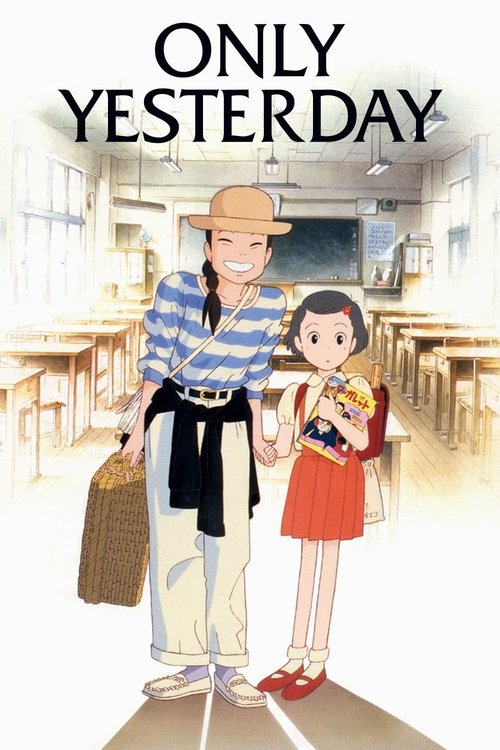
In lyrical switches between the present and the past, Taeko contemplates the arc of her life, and wonders if she has been true to the dreams of her childhood self.
1993

2013

2002

2001
2013
2010
2011

1995
No reviews yet. Be the first to share your thoughts on this movie!
Use the rating form above to leave a star rating and optional review.